Best Hanfu Garments For Tai Chi And Qigong Practice 2026
The Intersection of Hanfu and Somatic Wellness in 2026
As we move through 2026, the Xin Zhongshi (new Chinese style) movement has evolved far beyond aesthetic fashion and streetwear. Today, traditional Chinese clothing is increasingly recognized for its functional role in holistic wellness, particularly in somatic practices like Tai Chi and Qigong. The modern practitioner understands that what you wear directly impacts your biomechanics, your breathwork, and the unobstructed flow of Qi (vital energy) throughout the body. According to the National Center for Complementary and Integrative Health (NCCIH), the mindful, low-impact movements of Tai Chi and Qigong offer profound benefits for balance, stress reduction, and cardiovascular health. To fully unlock these benefits, the physical restrictions of modern activewear—such as tight elastic bands, synthetic fibers, and restrictive zippers—must be replaced by the flowing, natural, and historically engineered silhouettes of traditional Hanfu.
In 2026, the market for wellness-oriented Hanfu has matured. Weavers and designers are collaborating with martial arts masters and Traditional Chinese Medicine (TCM) practitioners to create garments that honor ancient weaving techniques while meeting the rigorous demands of daily physical cultivation. This guide explores the best fabrics, cuts, and maintenance routines for integrating Hanfu into your Tai Chi and Qigong practice this year.
The Biomechanics of the Cross-Collar and Meridian Alignment
At the core of Hanfu design is the jiaoling youren (cross-collar, right lapel). From a TCM perspective, this specific neckline and chest wrapping technique is not merely a cultural marker; it is a functional tool for energy regulation. The diagonal line of the cross-collar naturally follows the path of the Ren Mai (Conception Vessel) and helps to gently compress and protect the chest cavity without restricting the diaphragm.
When practicing Qigong, diaphragmatic breathing (often referred to as Dan Tian breathing) is essential. Modern compression shirts or tight collars can inadvertently restrict the lower ribs and abdomen, limiting the depth of your inhale. Hanfu tops, which are traditionally secured with fabric ties (yingluo or simple sashes) rather than rigid buttons, allow the torso to expand fully in all directions. Furthermore, the dropped shoulder seams typical of traditional Shenyi (deep robes) and Ruqun (jacket and skirt) sets eliminate the shoulder constriction found in Western tailoring, allowing for the effortless, circular arm movements required in Tai Chi forms like 'Cloud Hands' or 'Parting the Wild Horse's Mane'.
Top 3 Hanfu Fabrics for Somatic Practice in 2026
The fabric you choose dictates how your body regulates temperature and how your skin interacts with the environment during movement. In 2026, three specific textiles dominate the wellness-oriented Hanfu market.
1. Xiangyunsha (Gambiered Canton Gauze)
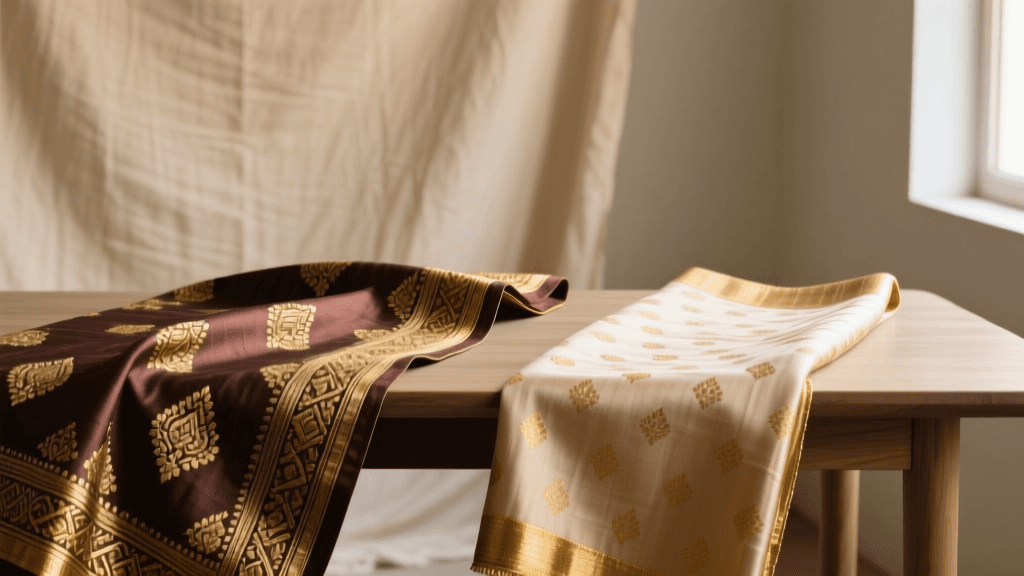
Often referred to as 'soft gold' in the textile world, Xiangyunsha is a luxury silk that undergoes a meticulous, multi-step dyeing process using the juice of the薯莨 (Shulang) yam and iron-rich river mud. For the 2026 practitioner, Xiangyunsha is the ultimate choice for vigorous Tai Chi sword or saber forms practiced in warmer climates. The yam dye gives the silk natural antimicrobial and sweat-wicking properties, while the mud coating creates a crisp, cooling sensation against the skin. Unlike standard silk which can cling when damp, Xiangyunsha maintains its structural drape, ensuring the garment never sticks to the body and disrupts your focus or movement.
2. Shengchou (Raw Silk)
For stationary Qigong practices like Zhan Zhuang (standing meditation), Shengchou (raw, unrefined silk) is highly recommended. Because it retains the natural sericin protein of the silkworm cocoon, raw silk has a slightly textured, nubby feel and a distinct acoustic property known as 'scroop'—a subtle rustling sound produced when the fabric rubs against itself. In 2026, mindfulness coaches and Qigong masters frequently cite this auditory feedback as a tool for grounding. The gentle rustle of raw silk sleeves during slow, deliberate movements helps practitioners maintain a rhythmic, meditative cadence, anchoring the mind to the physical body.
3. Zhumamian (Bamboo-Linen Blends)
The most significant innovation in the 2026 Hanfu wellness market is the refinement of Zhumamian, a blend of bamboo viscose and traditional ramie or linen. Bamboo provides exceptional softness, natural UV protection, and moisture-wicking capabilities, while the linen adds structural integrity and a beautiful, earthy drape. For daily morning routines, park practice, and travel, Zhumamian Hanfu sets are the most practical. They are machine-washable (on gentle cycles), highly breathable, and align with the eco-conscious values of the modern wellness community. The World Health Organization (WHO) has continually emphasized the importance of integrating sustainable, holistic practices into daily life, and Zhumamian represents the perfect intersection of ecological sustainability and traditional wellness.
Fabric Comparison Chart for Wellness Practices
| Fabric Type | Breathability | Drape & Weight | Best Suited Practice | 2026 Market Price Range (USD) |
|---|---|---|---|---|
| Xiangyunsha | High (Cooling) | Crisp, Medium-Heavy | Dynamic Tai Chi, Summer Forms | $250 - $600+ |
| Shengchou (Raw Silk) | Medium | Textured, Medium-Light | Static Qigong, Meditation | $120 - $300 |
| Zhumamian (Bamboo-Linen) | Very High | Fluid, Lightweight | Daily Practice, Travel, Park | $60 - $150 |
Choosing the Right Silhouette: Tai Chi vs. Qigong
While fabric dictates comfort, the silhouette dictates the physical expression of your practice. In 2026, designers have categorized wellness Hanfu into two primary functional cuts.
For Tai Chi: The Modified Yisan and Arrow Sleeves
Tai Chi Chuan, particularly the Chen and Yang styles, involves deep stances, sudden bursts of energy (Fajin), and the use of weapons. Wearing traditional, floor-sweeping wide sleeves can be hazardous when wielding a Jian (straight sword) or Dao (broadsword). For these dynamic practices, the Yisan (a traditional robe with a pleated skirt and fitted bodice) modified with Jianxiu (arrow sleeves) or tie-back cuffs is ideal. This silhouette provides a secure waist for core stabilization while allowing the wrists to remain unencumbered. The pleated skirt allows for deep lunges and horse stances without the fabric pulling taut against the knees.
For Qigong: The Flowing Daopao and Shenyi
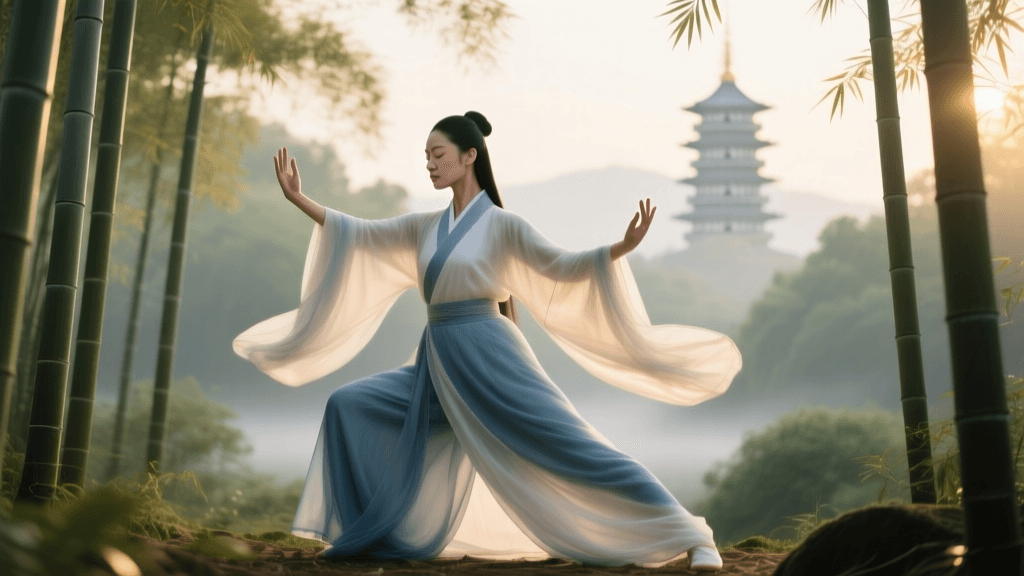
Qigong is heavily focused on the internal cultivation of energy and the visualization of Qi extending beyond the physical body. For these slower, more deliberate practices, the Daopao (Taoist robe) or a wide-sleeved Shenyi is preferred. The expansive sleeves act as visual and physical extensions of the arms. When performing the 'Eight Brocades' (Ba Duan Jin), the slow billowing of the wide sleeves provides visual feedback on the smoothness and continuity of your movements. As noted by Harvard Health Publishing, the meditative, flowing aspects of these practices are crucial for reducing stress hormones; the enveloping, robe-like nature of the Daopao enhances this psychological sense of safety and grounding.
Garment Care and Maintenance for Longevity
To maintain the energetic and physical integrity of your wellness Hanfu, proper care is essential. The natural fibers used in 2026's premium garments require specific maintenance routines:
- Xiangyunsha: Never use alkaline detergents, as they will strip the yam tannins and ruin the mud-dye finish. Hand wash in cool water with a pH-neutral silk wash. Do not wring; instead, press the water out gently and dry in the shade. The iron-rich mud coating actually benefits from occasional exposure to high humidity, which keeps the fabric supple.
- Shengchou: Raw silk will soften over time with washing and wear. To maintain the structural 'scroop' and texture, avoid fabric softeners entirely. Iron on a low-heat setting while the garment is still slightly damp to preserve the natural fibers.
- Zhumamian: This blend is designed for modern convenience. It can be machine washed on a delicate cycle in a mesh laundry bag. However, to prevent the linen fibers from warping, always lay the garment flat to dry rather than using a tumble dryer.
Conclusion: Embodying Tradition in Motion
The integration of Hanfu into Tai Chi and Qigong is more than a stylistic choice; it is a return to a holistic philosophy where the garment, the body, and the environment exist in harmony. By selecting the appropriate fabrics—whether the cooling luxury of Xiangyunsha, the grounding texture of Shengchou, or the sustainable practicality of Zhumamian—practitioners in 2026 can deepen their somatic awareness and enhance their physical cultivation. When you step into your morning practice wearing a garment engineered for breath, movement, and energy flow, you are not just performing exercises; you are embodying centuries of living, breathing Asian tradition.