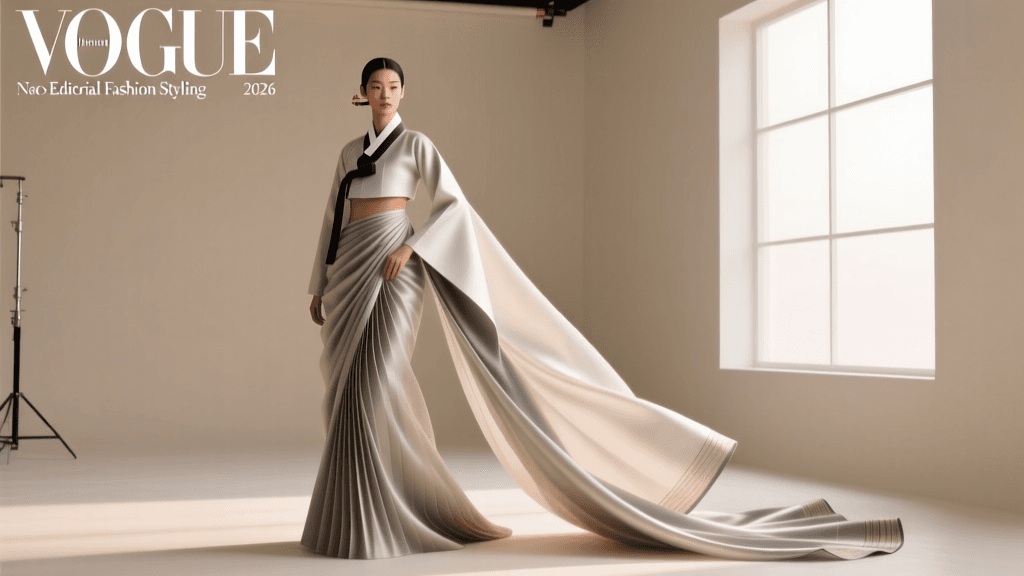
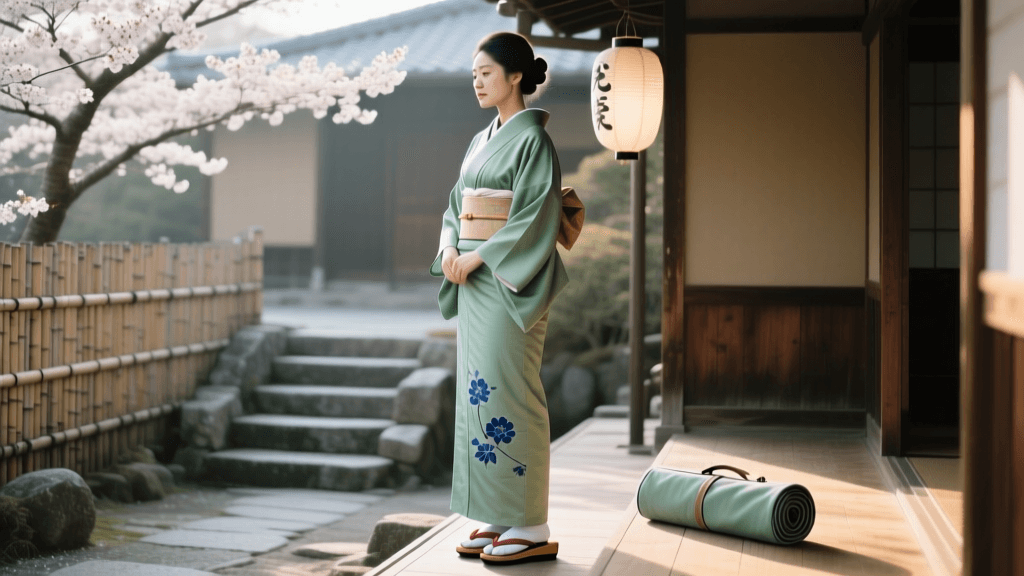
Top Hanfu Education Workshops & Certifications for 2026
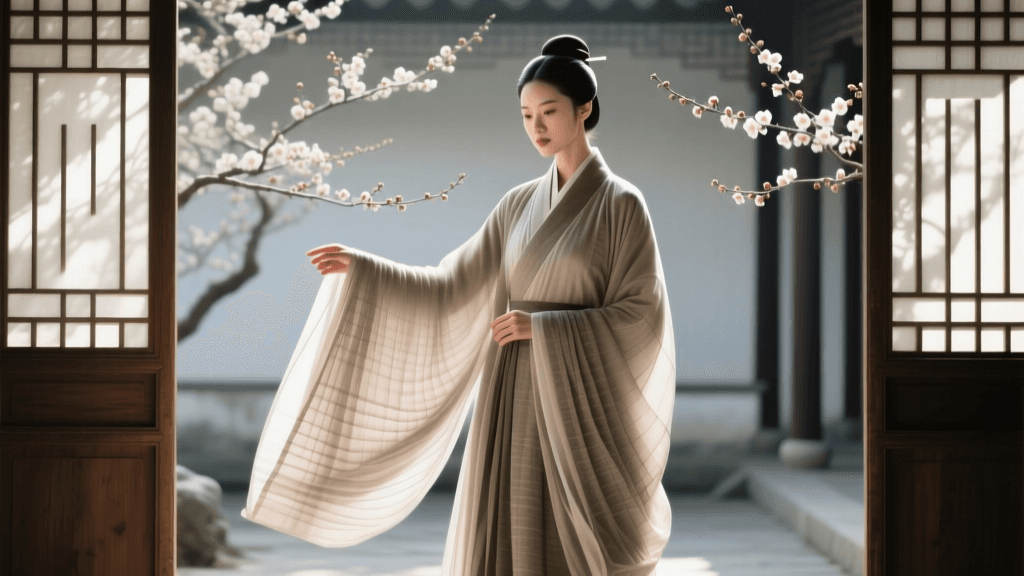
The Professionalization of Hanfu in 2026
The global appreciation for traditional Chinese clothing has undergone a massive transformation over the last decade. What began as a grassroots internet subculture has evolved into a highly structured, professional industry. As we navigate 2026, Hanfu education workshops and formal certification programs are no longer just for hobbyists; they are essential credentials for fashion historians, cultural tourism guides, bridal stylists, and textile conservators. According to industry reports tracked by the South China Morning Post's Hanfu coverage, the market for traditional dress and associated cultural education has expanded into a multi-billion-dollar sector, driving demand for verified expertise.
For enthusiasts and professionals alike, understanding the intricate rules of draping, historical accuracy, and textile preservation is paramount. This comprehensive guide explores the premier Hanfu education workshops and certification programs available in 2026, detailing curricula, career outcomes, and how to choose the right path for your cultural and professional goals.
Core Competencies: What 2026 Workshops Teach
Modern Hanfu certification programs have moved far beyond basic garment identification. Today’s rigorous curricula blend historical research with practical styling and cutting-edge digital technology.
Historical Silhouette & Dynasty Differentiation
A foundational element of any reputable 2026 certification is the ability to accurately distinguish and style garments from the Tang, Song, and Ming dynasties. Students learn the structural differences between the flowing, wide-sleeved Daxiushan of the Tang dynasty and the structured, pleated Mamianqun (horse-face skirts) paired with tailored Ao jackets of the Ming era. Workshops emphasize the socio-political contexts that influenced these silhouettes, ensuring that stylists do not mix dynastic elements inappropriately during historical reenactments or film consultations.
The Philosophy of Jiaoling Youren
Every certified Hanfu professional must master the concept of Jiaoling Youren—the practice of wrapping the left side of the robe over the right. This is not merely a styling choice but a profound philosophical statement rooted in traditional Chinese cosmology, representing the triumph of life (Yang) over death (Yin). Certification exams strictly penalize the reversal of this collar alignment, which is historically reserved for the deceased.
Textile Conservation and 3D Pattern Drafting
In 2026, the intersection of heritage and technology is a major focus. Advanced workshops now incorporate CLO 3D and other digital fashion software to draft historical patterns without risking damage to fragile, antique textiles. Students learn how to digitally reconstruct excavated garments from the Mawangdui tombs or the Dingling Mausoleum, translating ancient measurements into modern, wearable patterns while maintaining historical integrity.
Top Hanfu Certification Tracks in 2026
Depending on your career aspirations, the educational landscape offers several specialized tracks. Here are the most sought-after certification programs this year.
1. The Intangible Cultural Heritage (ICH) Artisan Diploma
Aligned with the preservation frameworks outlined by UNESCO's Intangible Cultural Heritage guidelines, this diploma focuses on the creation and preservation of traditional garments. Offered primarily through partnerships with heritage institutes in Suzhou and Hangzhou, this program is designed for those who wish to master traditional weaving, natural dyeing (using indigo, madder root, and pagoda tree buds), and hand-embroidery techniques like Su and Shu embroidery. Graduates are recognized as master artisans capable of creating museum-grade replicas.
2. Commercial Hanfu Styling & Bridal Certification
With traditional Chinese weddings surging in popularity globally, the demand for certified Hanfu bridal stylists has skyrocketed. This certification focuses on the practicalities of dressing clients, managing heavy layers of silk, securing intricate traditional hairstyles with zanzan (hairpins), and adapting historical garments for modern comfort and mobility. The curriculum includes client consultation, color theory based on the Five Elements (Wu Xing), and the logistics of on-location photoshoots at heritage sites.
3. Academic Textile Historian Track
Geared toward museum curators, university educators, and cultural journalists, this academic track requires a deep dive into primary historical texts, such as the Book of Rites and dynastic fashion edicts. Students learn to authenticate vintage textiles, identify period-accurate motifs (like the distinction between imperial five-clawed dragons and four-clawed mang serpents), and curate educational exhibitions. This track is heavily research-based and often culminates in a published thesis or a curated digital archive.
2026 Certification Program Comparison
To help you navigate the options, we have compiled a comparison of the leading Hanfu certification pathways available this year.
| Program Track | Duration | Estimated Cost (USD) | Format | Best Suited For |
|---|---|---|---|---|
| ICH Artisan Diploma | 12 - 18 Months | $4,500 - $8,000 | In-Person (China) | Textile artists, conservators, pattern-makers |
| Commercial Styling Cert | 6 - 8 Weeks | $1,200 - $2,500 | Hybrid / Online | Bridal stylists, photographers, event planners |
| Academic Historian Track | 1 - 2 Years | $3,000 - $6,000 | University / Online | Curators, educators, journalists, researchers |
| Weekend Enthusiast Workshop | 2 - 3 Days | $250 - $600 | In-Person (Global) | Beginners, cultural tourists, hobbyists |
Career Opportunities for Certified Graduates
Holding a recognized Hanfu certification in 2026 opens doors to a variety of niche and highly lucrative career paths within the broader Asian traditions and cultural heritage sectors.
- Cultural Tourism Consultant: Major historical cities like Xi'an, Luoyang, and Beijing employ certified stylists to manage immersive historical experiences, ensuring that tourists renting Hanfu are dressed accurately and respectfully.
- Film and Television Wardrobe Supervisor: The booming historical drama (Guzhuang) industry relies on certified experts to audit costumes, correct anachronisms, and advise directors on the socio-economic status signifiers of different garment fabrics and colors.
- E-Commerce Brand Historian: As global fashion brands and specialized Hanfu boutiques expand, they hire certified historians to write accurate product descriptions, ensure design authenticity, and prevent cultural appropriation missteps.
- Heritage Educator: Certified professionals are frequently contracted by international schools, cultural centers, and museums to lead interactive workshops, teaching the next generation about the engineering and philosophy of traditional Chinese dress.
Funding, Grants, and Scholarships
Recognizing the vital role that traditional clothing plays in cultural diplomacy and heritage preservation, several organizations offer financial assistance for Hanfu education. The China Daily Heritage and Culture desk frequently highlights government-backed grants aimed at young artisans pursuing Intangible Cultural Heritage studies. Additionally, international Asian-American cultural foundations and university Asian Studies departments often provide stipends for students undertaking the Academic Textile Historian track, particularly if their research involves cross-cultural textile trade along the historical Silk Road.
How to Choose the Right Program
When selecting a Hanfu education workshop or certification program in 2026, consider your end goal. If you are a hands-on creator fascinated by the tactile nature of silk and natural dyes, the ICH Artisan Diploma is unparalleled. If you are a fashion professional looking to integrate traditional aesthetics into modern commercial styling, the Commercial Styling Certification offers the best return on investment.
Always verify the credentials of the instructors. The most respected programs are led by a combination of academic historians from top-tier universities and master tailors who have spent decades studying excavated textile artifacts. Beware of unaccredited online courses that prioritize fast fashion trends over historical accuracy, as these will not provide the rigorous foundation required for professional work in the cultural heritage sector.
Final Thoughts
The year 2026 represents a golden age for Hanfu education. The transition from informal appreciation to rigorous, certified study ensures that the profound history, philosophy, and artistry of traditional Chinese clothing will be preserved and respected for generations to come. Whether you aim to drape a bride in a historically accurate Ming dynasty silhouette or digitally reconstruct a Tang dynasty textile, pursuing a formal Hanfu certification is the ultimate step toward mastering this magnificent sartorial tradition.