2026 Guide to Hanfu Certification Programs & Workshops
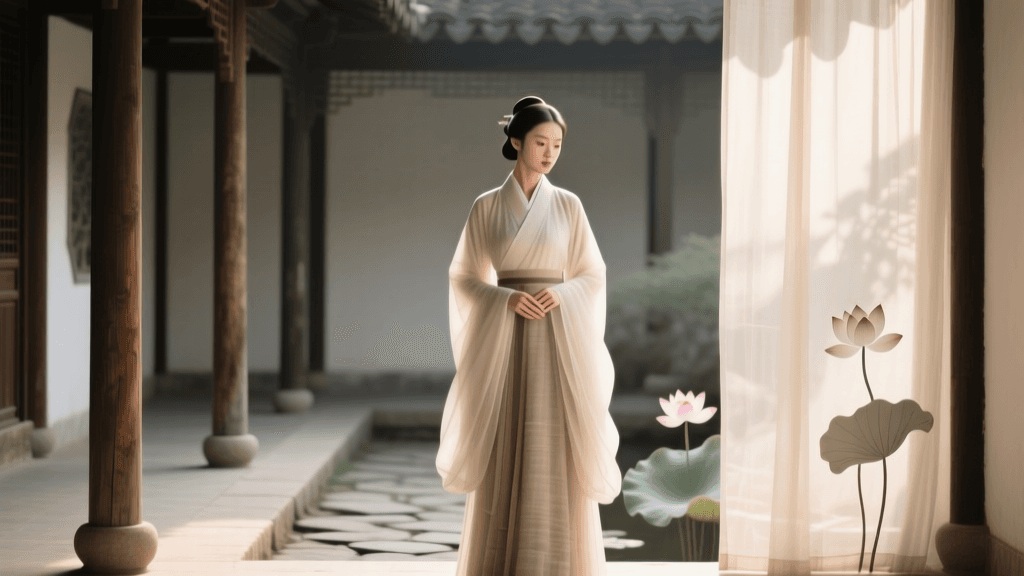
The global appreciation for traditional Chinese garments has evolved from a niche historical interest into a multi-billion-dollar cultural and fashion industry. As of 2026, the demand for authentic Hanfu styling, historical textile consultation, and traditional etiquette education has reached unprecedented heights. Whether you are an aspiring fashion historian, a professional stylist working in film and television, or a boutique owner looking to elevate your customer experience, obtaining a formal Hanfu certification is now a critical career milestone.
In this comprehensive 2026 guide, we break down the most prestigious Hanfu education workshops and certification programs available today. We will compare tuition costs, curriculum structures, and the specific career outcomes you can expect, ensuring you invest your time and resources into the right educational path.
Why Pursue a Hanfu Certification in 2026?
The Hanfu movement has matured significantly. Consumers and media producers are no longer satisfied with generic 'ancient Chinese' costumes; they demand dynasty-accurate silhouettes, historically correct textile weaves, and proper layering techniques. A recognized certification proves your competency in several key areas:
- Dynasty-Specific Accuracy: Differentiating between the flowing, open-collared aesthetics of the Tang Dynasty and the structured, high-collared garments of the Ming Dynasty.
- Textile Heritage: Understanding traditional weaving techniques like Kesi (silk tapestry) and sustainable natural dyeing methods, aligning with UNESCO's Traditional Craftsmanship initiative to preserve intangible cultural heritage.
- Modern Adaptation: Learning how to integrate historical garments into modern wardrobes and contemporary editorial fashion without losing cultural integrity.
- Etiquette and Movement: Mastering the traditional postures, greetings, and movement styles that dictate how heavy silk skirts and layered robes drape and flow in motion.
Top Hanfu Certification Programs Compared (2026)
To help you navigate the educational landscape, we have analyzed the top three certification programs dominating the market in 2026. Below is a comparative overview of their formats, costs, and primary focus areas.
| Program Name | Institution | Format | Duration | 2026 Tuition (USD) | Primary Focus |
|---|---|---|---|---|---|
| Master Stylist Certification | China Hanfu Association (CHA) | Hybrid (Beijing/Online) | 12 Weeks | $1,450 | Advanced Draping & Etiquette |
| Textile Heritage Diploma | Beijing Institute of Fashion Tech (BIFT) | In-Person | 6 Months | $3,200 | Historical Weaving & Dyeing |
| Global Stylist Workshop | Global Hanfu Alliance (GHA) | 100% Online | 8 Weeks | $650 | Modern Adaptation & Media |
1. The China Hanfu Association (CHA) Master Stylist Certification
The CHA Master Stylist Certification remains the gold standard for professionals working directly with clients, brides, and theatrical productions. In 2026, the CHA updated its syllabus to include AI-assisted textile pattern reconstruction, allowing students to digitally restore damaged historical patterns before recreating them physically. The hybrid model requires eight weeks of rigorous online theory—covering the evolution of the Ruqun and Shenyi—followed by a four-week intensive practical residency in Beijing. Here, students learn the precise art of pleating a Ming Dynasty Mamianqun (horse-face skirt) and mastering the intricate knotting of traditional waist sashes.
2. Beijing Institute of Fashion Technology (BIFT) Textile Heritage Diploma
For those whose passion lies in the creation and sourcing of the garments themselves, BIFT’s continuing education diploma is unparalleled. This six-month, in-person program grants students access to the university's world-class historical garment archives. Students spend hundreds of hours studying the chemical composition of ancient dyes, learning to extract colors from madder root, indigo, and tree peony. The program is highly recommended for boutique owners and textile sourcing agents who need to verify the authenticity of the fabrics they purchase, ensuring they align with the historical standards documented in major institutions like the Metropolitan Museum of Art's Asian Art collection.
3. Global Hanfu Alliance (GHA) Online Stylist Workshop
The GHA workshop is designed for international stylists, fashion bloggers, and content creators who cannot travel to China. This 100% online, eight-week course focuses heavily on visual media, editorial styling, and modern wardrobe integration. The 2026 curriculum places a strong emphasis on 'Hanfu Fusion'—teaching students how to pair a Song Dynasty Beizi (light jacket) with modern tailoring, or how to properly accessorize traditional garments with contemporary jewelry for high-fashion editorial shoots. Graduates receive a digital badge recognized by major international fashion publications.
What to Expect in a 2026 Hanfu Curriculum
Regardless of the institution you choose, a reputable 2026 Hanfu certification program will test your knowledge across several rigorous modules. The days of simply putting on a pretty dress are over; modern education demands academic and practical rigor.
Historical Silhouette and Layering
Students must memorize the layering rules of different eras. For example, understanding the undergarments (Zhongyi), the base layers, and the outermost robes (Daoshan or Pifeng). You will be tested on how climate and geography influenced the weight and layering of silk in the northern capitals versus the southern provinces.
The Practical Draping Exam
The most daunting part of any certification is the practical exam. Candidates are typically given a pile of unstructured fabric and historical references, and must drape, pin, and tie the garments onto a live model within a strict time limit. Examiners look for:
- Perfect symmetry in collar crossings (always left over right for the living).
- Proper tension in waist ties to ensure the garment does not slip during movement.
- Correct alignment of skirt pleats and embroidery motifs.
Digital Archiving and 3D Fitting
A new addition to 2026 programs is the integration of 3D body scanning technology. Students learn how to map a client's body using portable scanners to create custom-fitted Hanfu patterns that respect historical proportions while accommodating modern body types comfortably.
Costs, Funding, and Return on Investment
Investing in a Hanfu certification requires careful financial planning. Tuition for the programs listed above ranges from $650 to $3,200. However, students must also budget for essential tools: a professional styling kit (including traditional wooden hairpins, silk sashes, and specialized tailoring shears) typically costs around $300 in 2026. Additionally, building a reference library of historical textile swatches can add another $200 to your startup costs.
The ROI for Certified Stylists: The financial return for certified professionals is substantial. In 2026, a certified Hanfu stylist working in the bridal and photography sector can charge between $150 and $300 per hour for historical consultation and on-set styling. Those who work as consultants for historical dramas or video game character design often secure day rates exceeding $800. Furthermore, certified boutique owners report a 40% increase in premium sales, as modern consumers are willing to pay a premium for garments that come with a certificate of historical accuracy and proper styling guidance.
How to Choose the Right Program for Your Goals
When selecting a program, align your choice with your ultimate career objective. If your goal is to open a high-end Hanfu rental and photography studio, the CHA Master Stylist Certification is your best route, as it provides the hands-on client management and draping skills you will use daily. If you are a fashion designer looking to launch a heritage-inspired clothing line, the BIFT Textile Heritage Diploma will give you the deep material knowledge required to source and manufacture authentic pieces. Finally, if you are a digital influencer or international stylist, the GHA Online Workshop offers the most flexible, media-focused curriculum.
Conclusion
The Hanfu renaissance is not a fleeting trend; it is a permanent restoration of cultural pride and sartorial elegance. As the industry professionalizes in 2026, the line between amateur enthusiast and certified expert is defined by formal education. By investing in a recognized Hanfu certification program, you not only elevate your own career prospects but also become a vital guardian of Asian textile traditions, ensuring that the beauty, complexity, and history of these garments are preserved and celebrated for generations to come.