Top Hanfu Education and Certification Programs in 2026
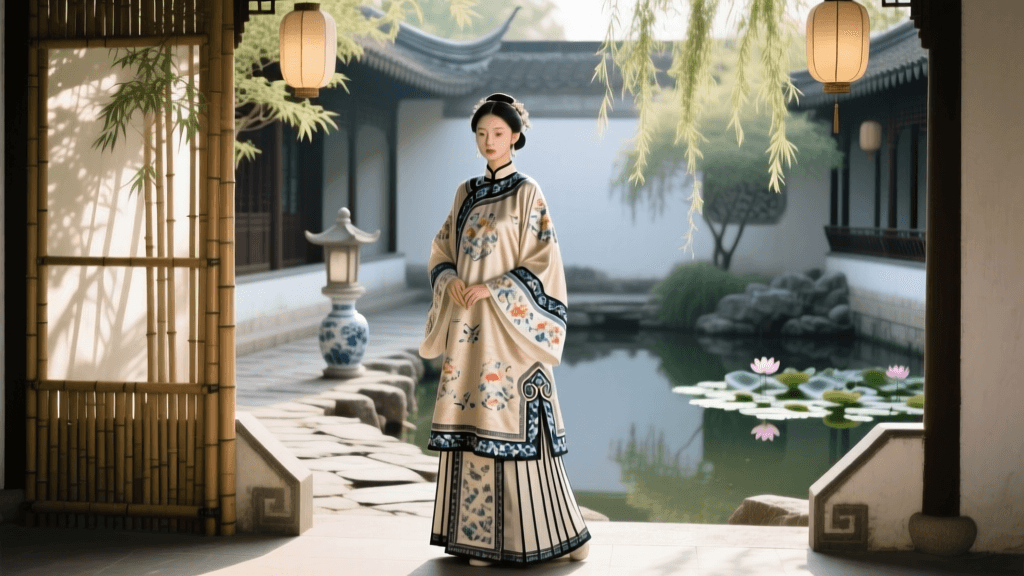
The Global Rise of Hanfu Education in 2026
The renaissance of traditional Chinese clothing has evolved from a niche internet subculture into a globally recognized movement. As we navigate 2026, the demand for structured, academically rigorous Hanfu education workshops and certification programs has reached an all-time high. Enthusiasts, fashion historians, and professional stylists are no longer satisfied with merely purchasing garments; they seek to understand the profound historical, structural, and cultural contexts of these textiles. This comprehensive guide explores the premier Hanfu certification programs available this year, detailing curricula, costs, and the practical skills you will acquire.
The institutionalization of Hanfu studies aligns closely with global efforts to preserve traditional crafts. According to the framework established by UNESCO's Intangible Cultural Heritage guidelines, the transmission of traditional knowledge—from silk weaving to historical garment draping—is vital for cultural continuity. In 2026, leading academies have integrated augmented reality (AR) pattern-making and sustainable heritage silk sourcing into their syllabi, bridging ancient techniques with modern technological and ecological standards.
Comparing the Top Hanfu Certification Tracks in 2026
To help you choose the right educational path, we have analyzed the three most prominent certification tracks currently dominating the market. Whether your goal is to become a master tailor, a historical stylist, or a cultural educator, there is a specialized curriculum designed for your ambitions.
| Certification Track | Primary Focus | Duration | 2026 Average Cost (USD) | Best For |
|---|---|---|---|---|
| Master Artisan Tailoring | Flat-pattern cutting, seam finishing, textile behavior | 6 Months | $3,800 - $4,500 | Fashion designers, bespoke tailors |
| Historical Styling & Artistry | Era-specific draping, hairpin placement, accessory matching | 12 Weeks | $1,900 - $2,400 | Film stylists, photographers, makeup artists |
| Cultural Ambassador & Etiquette | Tea ceremony integration, bowing protocols, event hosting | 8 Weeks | $1,200 - $1,500 | Educators, museum docents, event planners |
1. The Master Artisan & Tailoring Certificate
The cornerstone of any serious Hanfu education is understanding the structural philosophy of the garment. Unlike Western tailoring, which relies heavily on darts and complex curved seams to contour the body, traditional Hanfu construction utilizes a flat-pattern system known as pingmian caijian. In 2026, the Master Artisan track focuses intensely on this geometric approach to fabric.
Students spend the first four weeks mastering the jiaoling youren (cross-collar right lapel), learning the precise mathematical ratios required to ensure the collar sits perfectly against the clavicle without gaping. Advanced modules delve into the creation of the mamianqun (horse-face skirt), teaching students how to calculate and press the intricate pleats that allow the skirt to remain flat when standing but expand dynamically during movement. The curriculum heavily references historical textile behaviors, utilizing resources akin to the Metropolitan Museum of Art's historical textile archives to understand how different weights of silk and ramie drape across the human form.
2. Historical Styling and Hairpin Artistry Workshop
A beautifully constructed Hanfu is incomplete without its corresponding historical styling. The Styling and Artistry workshop is highly sought after by professionals in the entertainment and editorial fashion industries. This 12-week intensive program breaks down the distinct aesthetic codes of the Tang, Song, and Ming dynasties.
In the Tang dynasty module, students learn the art of the gaoyao (high bun) and the application of elaborate floral motifs and gold-leaf makeup. The Song dynasty segment emphasizes minimalism, teaching the delicate placement of jade and pearl hairpins to complement the slender, understated silhouettes of the era. Finally, the Ming dynasty module focuses on the structural integrity of the fengguan (phoenix crown) and the layering of heavy, embroidered outer garments. By the end of this workshop, students can confidently style a model for a historically accurate editorial shoot, complete with era-appropriate posture and hand gestures.
3. Cultural Ambassador & Etiquette Certification
As Hanfu becomes a staple at international cultural festivals and diplomatic events, the need for trained cultural ambassadors has surged. This certification, often supported by initiatives tracked by China's Ministry of Culture and Tourism, focuses on the performative and behavioral aspects of wearing traditional garments.
Students are trained in the zuoyi (traditional bowing etiquette), learning the subtle differences in hand placement and bow depth required for greeting peers, elders, and dignitaries. The curriculum also integrates the traditional tea ceremony, instructing students on how to manipulate wide, flowing sleeves gracefully while pouring tea without soiling the silk cuffs. This track is less about garment construction and more about the embodiment of the culture, making it ideal for those who wish to host workshops, lead heritage tours, or manage cultural exchange programs.
Core Curriculum: Essential Skills You Will Master
Regardless of the specific track you choose, all accredited 2026 Hanfu education programs share a foundational core curriculum. Expect to master the following practical skills:
- Textile Identification: Differentiating between various grades of mulberry silk, Xiangyunsha (gambiered Canton gauze), and traditional ramie, including understanding their specific washing and ironing requirements.
- Color Theory & Symbolism: Understanding the Five Elements color system (Wuxing) and how specific hues were historically restricted to certain social classes or reserved for specific ceremonial occasions.
- Accessory Crafting: Basic workshops in silk flower making (chanhua) and wire-wrapping techniques for creating custom hairpins that match specific garment embroidery.
- Garment Preservation: Advanced storage techniques, including the use of natural camphor and acid-free tissue folding methods to prevent permanent creasing in heavy brocades.
- Layering Protocols: Mastering the correct sequence of undergarments, middle layers, and outer robes to ensure historical accuracy and physical comfort during extended wear.
Costs, Duration, and 2026 Enrollment Trends
The investment required for a comprehensive Hanfu certification has stabilized in 2026, reflecting a maturing educational market. While boutique, in-person ateliers in cities like Hangzhou, Chengdu, and Xi'an command premium prices (often exceeding $5,000 USD when factoring in lodging and materials), global online academies have democratized access to this knowledge.
Hybrid programs, which combine high-definition virtual lectures with mailed physical material kits, are the most popular choice this year. These kits typically include pre-cut muslin for pattern drafting, a set of traditional bamboo measuring tools, and swatches of heritage textiles. When budgeting for your education, remember to allocate an additional $300 to $500 for specialized tools, such as heavy brass irons for pleat-setting and custom wooden dress forms designed to accommodate the unique layering of Hanfu undergarments.
How to Prepare for Your Workshop
Before enrolling, it is highly recommended to familiarize yourself with basic Chinese historical timelines and the fundamental vocabulary of Hanfu terminology. Many top-tier programs require a portfolio review or a brief essay on your cultural interests before accepting you into the advanced Master Artisan track. Investing in a high-quality sketchbook and practicing basic fashion illustration will also give you a significant advantage when translating historical reference paintings into wearable, three-dimensional patterns. Additionally, joining online forums and attending local Hanfu meetups can provide practical insights into the physical realities of wearing and maintaining these garments daily.
Conclusion
The landscape of Hanfu education in 2026 is rich, rigorous, and deeply respectful of its historical roots. Whether you aspire to stitch your own Ming dynasty winter coat, style historically accurate models for global fashion runways, or teach the elegant etiquette of the Song dynasty to a new generation, there is a certification program tailored to your journey. By investing in structured education, you are not merely learning to wear a garment; you are becoming a vital custodian of an enduring and magnificent cultural legacy.