Best Japanese Fashion School Workshops & Online Courses 2026
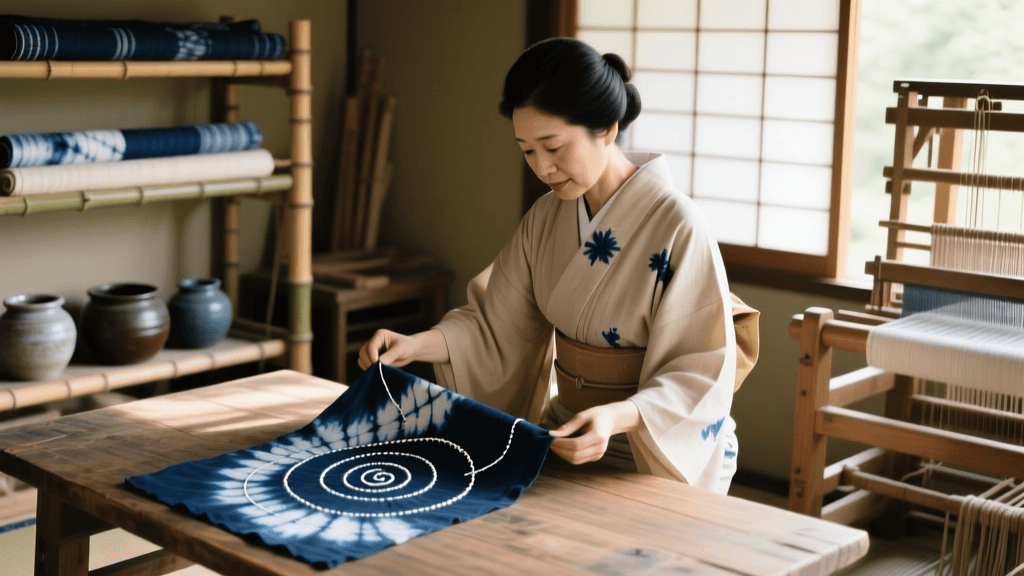
The 2026 Renaissance of Heritage Textiles in Fashion Education
In 2026, the global fashion industry is experiencing a profound shift toward sustainability, slow fashion, and the preservation of heritage crafts. At the forefront of this movement are Japanese fashion schools, which have seamlessly integrated centuries-old textile techniques into their modern curricula. For designers, hobbyists, and cultural preservationists, mastering traditional Japanese garment construction and surface design is no longer just a niche interest—it is a vital skill set in the contemporary fashion landscape. According to the Japan National Tourism Organization, cultural and educational tourism focused on traditional crafts has surged, prompting top-tier institutions to expand both their in-person intensives and global online learning portals.
This comprehensive guide explores the best Japanese fashion school workshops and online courses available in 2026. Whether you are looking to study Shibori dyeing in Tokyo, master Sashiko stitching from your home studio, or understand the structural draping of the kimono, these programs offer unparalleled access to master artisans and cutting-edge fashion pedagogy.
Top In-Person Japanese Fashion School Workshops
For those able to travel to Japan, in-person workshops provide tactile, immersive experiences that cannot be fully replicated online. Students work directly with master dyers, weavers, and pattern makers, utilizing specialized equipment and historical archives.
Bunka Fashion College: Shibori and Structural Draping Intensive
Bunka Fashion College in Tokyo remains Asia’s most prestigious fashion institution. In 2026, their highly sought-after 'Heritage Textiles and Modern Silhouettes' summer intensive is a four-week immersive program. The curriculum bridges the gap between traditional Shibori (resist dyeing) and contemporary 3D garment draping. Students learn the intricate art of kanoko shibori (fawn-spot tie-dye) and itajime shibori (shape-resist clamping) before applying these textiles to modern, zero-waste pattern drafting. The 2026 tuition for this intensive is ¥285,000, which includes all natural indigo vats, silk yardage, and access to Bunka’s digital textile archives.
Kyoto University of the Arts: Yuzen and Katazome Mastery
Located in the cultural heart of Japan, the Kyoto University of the Arts offers a specialized two-week workshop focusing on Yuzen and Katazome (stencil dyeing). This program is heavily focused on the creation of formal kimono textiles. Students learn to carve intricate katagami (paper stencils) using traditional mulberry paper treated with persimmon tannin, and apply rice-paste resist to silk crepe. The 2026 cohort is limited to just 15 students to ensure personalized mentorship from designated Living National Treasures and their apprentices. The program costs ¥190,000 and concludes with a student exhibition in the university’s historic gallery.
Best Online Learning Platforms for Global Students
Recognizing the global demand for traditional Asian textile education, Japanese institutions have heavily invested in hybrid and fully online learning ecosystems. These platforms utilize 4K macro-photography, AI-assisted pattern grading, and global material shipping kits to replicate the classroom experience.
Bunka Global Virtual Campus: Sashiko and Boro Construction
Bunka’s Global Virtual Campus launched its 'Sashiko and Boro for Modern Outerwear' module in early 2026. This 12-week online course focuses on the mending and reinforcement techniques that originated in rural Japan. Students learn the mathematical precision of hitomezashi (single-stitch) and moyozashi (pattern-stitch) Sashiko. The course includes a physical kit shipped internationally, containing vintage-style indigo cotton, 2026-manufactured Tulip Hiroshima Sashiko needles, and a traditional leather thimble. The virtual campus utilizes a proprietary app that allows students to scan their stitch tension via smartphone, receiving instant AI feedback on stitch length and consistency.
Kyoto Seika University Hybrid Modules: Natural Dye Chemistry
Kyoto Seika University’s online 'Natural Dye Chemistry and Application' course is perfect for designers focused on eco-friendly supply chains. The 2026 syllabus has been updated to include the cultivation and extraction of Japanese indigo (Persicaria tinctoria) in non-Japanese climates. Students learn the fermentation processes required to build a living indigo vat, as well as mordanting techniques using local flora. The course features live-streamed studio sessions from Kyoto, paired with localized peer-review forums where students share their regional dye results.
2026 Workshop Comparison Chart
To help you choose the right educational path, we have compared the top in-person and online programs available this year.
| Institution | Format | Core Technique | Duration | 2026 Cost (USD Approx.) | Materials Included? |
|---|---|---|---|---|---|
| Bunka Fashion College | In-Person (Tokyo) | Shibori & 3D Draping | 4 Weeks | $1,900 | Yes (Silk & Indigo) |
| Kyoto Univ. of the Arts | In-Person (Kyoto) | Yuzen & Katazome | 2 Weeks | $1,260 | Yes (Stencils & Paste) |
| Bunka Virtual Campus | Online (Global) | Sashiko & Boro | 12 Weeks | $650 | Yes (Global Kit Shipped) |
| Kyoto Seika University | Hybrid / Online | Natural Dye Chemistry | 8 Weeks | $480 | No (Sourcing List Provided) |
Essential 2026 Starter Kits for At-Home Practice
If you are enrolling in an online course or simply wish to begin practicing traditional Japanese textile arts at home, investing in the correct tools is paramount. The UNESCO Intangible Cultural Heritage guidelines emphasize the importance of using authentic tools to preserve the integrity of traditional crafts. Here is what you need to build your 2026 starter kit.
Indigo Dyeing Supplies
- Fermentation Vat Base: Avoid synthetic pre-reduced indigo crystals. In 2026, the industry standard for authentic sukumo (fermented indigo leaves) is sourced from Tokushima prefecture. You will need a 5-gallon food-grade bucket with a tight-sealing lid to maintain the anaerobic environment required for the vat.
- pH Testing Strips: A natural indigo vat requires a highly alkaline environment (pH 9-11). High-precision digital pH meters have replaced paper strips in 2026 starter kits, ensuring the bacteria remain alive and active.
- Calcium Hydroxide (Slaked Lime): Used to maintain the alkalinity of the vat. Ensure it is food-grade or textile-grade, free from heavy metal contaminants.
Sashiko Stitching Tools
- Needles: The gold standard in 2026 remains the Tulip Hiroshima Sashiko needles. They feature a specialized elongated eye and a razor-sharp tip designed to pierce multiple layers of heavy cotton without bending. A mixed pack (long, short, and thick) is essential for varying stitch patterns.
- Thimble: Traditional Japanese thimbles (yubinuki) are worn on the middle finger like a ring, rather than capping the fingertip. Look for authentic leather and washi paper thimbles crafted in Kyoto, which provide the necessary friction to push the needle through dense fabric.
- Fabric: Sashiko requires tightly woven, medium-weight cotton. Avoid stretch fabrics or loose weaves. Authentic sashiko-ori cotton, pre-washed to remove sizing, is widely available from specialized Japanese textile exporters.
Career Applications in the 2026 Global Fashion Market
Completing a workshop or certification from a Japanese fashion school in 2026 opens numerous professional doors. Luxury fashion houses are increasingly hiring 'Heritage Textile Consultants' to ensure their use of traditional motifs and techniques is culturally accurate and respectfully executed. Furthermore, the rise of circular fashion has created a high demand for Sashiko and Boro experts who can lead visible mending and upcycling initiatives for premium denim and outerwear brands.
Independent designers who incorporate authentic Shibori or Yuzen techniques into their collections are finding immense success in the luxury slow-fashion market. Consumers in 2026 are highly educated on textile origins and are willing to pay a premium for garments that come with a verifiable story of artisanal craftsmanship and sustainable dyeing practices.
Conclusion
The integration of traditional Japanese garment techniques into modern fashion education represents a vital bridge between the past and the future. Whether you choose to immerse yourself in the bustling studios of Bunka Fashion College in Tokyo, or meticulously practice Sashiko stitching via a global online portal, the skills you acquire will profoundly elevate your design practice. By investing in these 2026 workshops and courses, you are not only enhancing your own creative repertoire but also actively participating in the global preservation of Asia’s most exquisite textile traditions.