Hanfu for Family Ceremonies: 2026 Guide to Birth, Wedding & Rites
The Maturation of the Hanfu Movement in 2026
As we navigate through 2026, the Hanfu movement has transcended its origins as a niche internet subculture to become a deeply embedded component of modern Asian family life. No longer reserved solely for street fashion or photography, traditional Han clothing is now the standard for major life milestones. Families are increasingly investing in high-quality, historically informed garments to mark births, weddings, and ancestral rites. This shift reflects a broader cultural desire to reconnect with heritage, utilizing the rich textile history of China to add profound meaning to contemporary ceremonies. According to comprehensive overviews of Chinese dress and textile history, the evolution of these garments is not just about aesthetics; it is a visual language of social status, philosophical beliefs, and familial bonds.
Birth and Naming Ceremonies: Welcoming the Next Generation
In traditional Chinese culture, the birth of a child is marked by several key milestones, most notably the Man Yue (Full Moon) and the Zhuazhou (First Birthday). In 2026, parents are moving away from mass-produced modern baby clothes in favor of bespoke, culturally significant infant wear and elegant parental attire.
Garments for the Infant
For a baby's first major ceremonies, the focus is on protection and blessings. Infants are traditionally adorned with Hutoumao (tiger-head hats) and matching tiger-head shoes. The tiger is a potent symbol of bravery and protection, believed to ward off evil spirits and childhood illnesses. Beneath these accessories, babies wear soft, breathable silk or cotton Wudou (belly bands) and embroidered bibs featuring motifs of lotus flowers (symbolizing purity) and pomegranates (symbolizing fertility and a large, thriving family).
Attire for the Parents
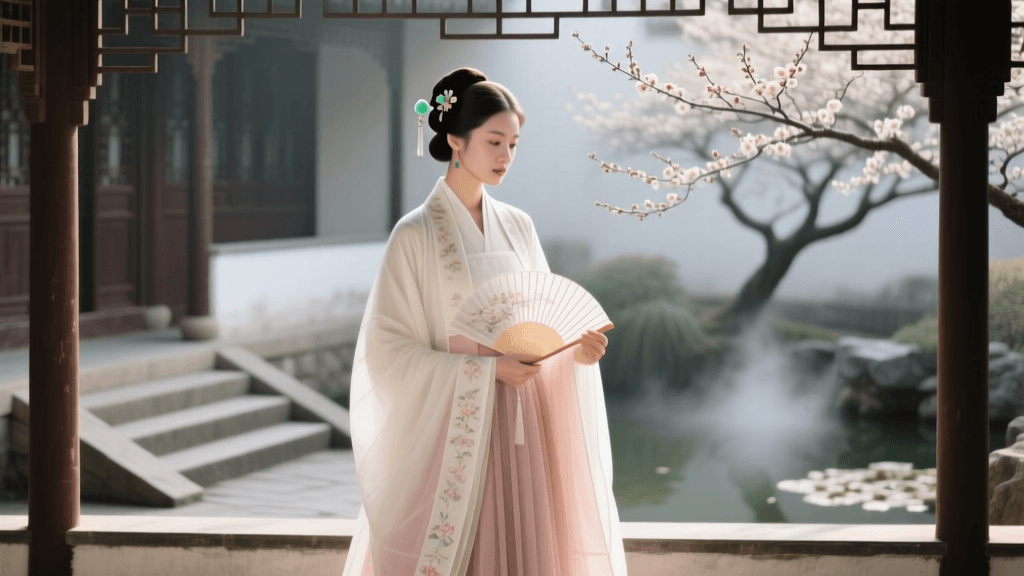
Parents hosting a Man Yue banquet in 2026 favor the refined, understated elegance of Song Dynasty-inspired Hanfu. The mother typically wears a Beizi (a long, parallel-collar outer jacket) layered over a delicate pleated skirt. The color palette leans toward soft pastels—celadon, pale jade, and lotus pink—representing new life, gentleness, and grace. The father often wears a simple, structured Lanshan (scholar's robe) in muted earth tones, projecting stability and scholarly virtue as he introduces the child to the extended family.
Traditional Hanfu Weddings: A Union of History and Romance
The 2026 wedding season has seen a massive surge in couples opting for era-specific Hanfu wedding rites over generic red qipaos or Western gowns. A traditional Hanfu wedding is a highly ritualized event, and the attire must reflect the solemnity and grandeur of the historical era being honored.
The Solemnity of Zhou Dynasty Rites
For couples seeking a deeply spiritual, quiet, and solemn ceremony, the Zhou Dynasty style remains a profound choice. Zhou wedding attire is characterized by its strict adherence to ritual propriety. The garments are predominantly black and crimson, representing the heavens and the earth, respectively. The bride and groom wear Jiao Ling Da You (cross-collar, right lapel) robes with wide, flowing sleeves. There is minimal embroidery; instead, the beauty lies in the drape of the heavy, matte silk and the geometric borders. This style is favored in 2026 by couples who view marriage as a sacred, quiet covenant rather than a loud celebration.
The Grandeur of Ming Dynasty Nuptials
The most popular choice for lavish 2026 weddings is the Ming Dynasty aesthetic, renowned for its opulence and intricate craftsmanship. The groom is resplendent in a Yuanlingpao (round-collar robe) adorned with rank badges, paired with a winged official's hat. The bride wears the iconic Fengguan (Phoenix Crown), a breathtaking headdress constructed with kingfisher feather art (now ethically replicated using dyed silk and enamel in 2026), and a Xiapei (ceremonial cloud shoulder) draped over a heavily embroidered Mamianqun (horse-face skirt). The skirts are woven with gold and silver threads, featuring dragons and phoenixes. The sheer weight and structural complexity of these garments make them a true investment piece for modern families.
Ancestral Rites: Honoring Lineage with Reverence
Festivals such as Qingming (Tomb-Sweeping Day) and the Winter Solstice are critical moments for Asian families to honor their ancestors. The etiquette for ancestral rites demands modesty, respect, and a connection to the earth. Flashy colors, excessive jewelry, and overly dramatic silhouettes are strictly avoided.
Color and Fabric Etiquette
In 2026, the preferred attire for tomb-sweeping and ancestral hall ceremonies includes the Zhiduo (a straight, cross-collar robe with side slits) or the ancient Shenyi (deep robe that connects the top and bottom into one piece). The color palette is restricted to navy blue, slate grey, charcoal, and muted pine green. As highlighted by the Victoria and Albert Museum's archives on Chinese textiles, historical mourning and solemn ritual garments frequently utilized ramie and matte, unbleached silks. Today, families honor this tradition by sourcing organic ramie and raw silk blends that offer a natural, unpolished texture, reflecting humility before the ancestors.
Ritual Accessories
Accessories for ancestral rites are minimal but meaningful. Men may wear simple jade or wooden hairpins, while women secure their hair with unadorned ebony or sandalwood sticks. Jade pendants, symbolizing moral integrity and purity, are worn at the waist to chime softly with each step, a historical practice meant to regulate one's pace and enforce a mindful, respectful demeanor during the rites.
2026 Ceremonial Hanfu Comparison Chart
| Ceremony Type | Era Inspiration | Key Garments | 2026 Custom Cost (USD) |
|---|---|---|---|
| Birth (Man Yue) | Song Dynasty | Beizi, Pleated Skirts, Tiger Hats | $150 - $350 |
| Wedding (Zhou Style) | Zhou Dynasty | Cross-collar Robes, Matte Silk | $600 - $1,200 |
| Wedding (Ming Style) | Ming Dynasty | Fengguan, Xiapei, Yuanlingpao | $1,500 - $5,000+ |
| Ancestral Rites | Ming / Zhou | Zhiduo, Shenyi, Ramie Robes | $250 - $700 |
Sourcing Authentic Ceremonial Hanfu in 2026
The market for ceremonial Hanfu in 2026 is highly specialized. While everyday Hanfu can be purchased off-the-rack, ceremonial garments are almost exclusively custom-tailored. The epicenter of this craftsmanship remains Nanjing and Suzhou, where artisans continue to practice traditional brocade weaving. The preservation of these techniques is vital; as noted by UNESCO's recognition of traditional sericulture and silk craftsmanship, the entire process from mulberry cultivation to the final weaving of Yunjin brocade is a protected intangible cultural heritage.
Navigating the 2026 Market
When commissioning a Ming-style wedding set or a solemn Zhiduo for ancestral rites, buyers must verify the fabric composition. Authentic Zhuanghua (gold-thread brocade) and Kesi (silk tapestry) are incredibly labor-intensive, often taking months to complete. In 2026, reputable ateliers provide digital transparency, allowing buyers to track the weaving process of their specific ceremonial robes via live studio feeds. Expect to pay a premium for genuine mulberry silk and hand-loomed textiles, as synthetic alternatives are considered highly inappropriate for sacred family rites.
Maintenance and Storage
Ceremonial Hanfu are family heirlooms meant to be passed down through generations. Proper care is essential:
- Storage: Store heavy silk brocades in breathable cedar or camphor wood boxes to protect against moisture and insects. Never use plastic bags, which trap humidity and cause silk to yellow.
- Cleaning: Avoid washing authentic ceremonial silks at home. Utilize specialized heritage textile dry cleaners who understand the structural integrity of historical weaving patterns and metallic threads.
- Handling: Always handle ceremonial garments with clean, dry hands, and avoid wearing heavy cosmetics or perfumes that could stain the delicate inner linings.
Conclusion
The integration of Hanfu into family ceremonies in 2026 represents a beautiful synthesis of historical reverence and modern identity. Whether wrapping an infant in protective tiger motifs, exchanging vows beneath the weight of a Ming Dynasty phoenix crown, or standing in quiet reflection in a ramie Shenyi before an ancestral altar, these garments do more than clothe the body. They weave the wearer into the vast, enduring tapestry of Asian heritage, ensuring that the traditions of the past continue to breathe life into the milestones of the future.