Top Chinese Fashion Creators Reviving Xiangyunsha in 2026
The Evolution of Chinese Fashion Journalism in 2026
The landscape of Chinese fashion journalism and digital content creation has undergone a radical transformation by 2026. Moving far beyond the superficial trend-reporting of the early 2020s, today's top fashion bloggers, WeChat columnists, and Xiaohongshu (RED) creators are operating as cultural archivists and material scientists. The 'Xin Zhong Shi' (New Chinese Style) movement has matured from a mere aesthetic preference into a rigorous exploration of heritage textiles, eco-friendly dyeing methods, and historical garment construction. For readers of The Garment Atlas, understanding this digital renaissance is crucial for anyone interested in the intersection of Asian traditions and modern global fashion.
In 2026, the most influential Chinese fashion creators are no longer just showcasing outfits; they are documenting the supply chains of intangible cultural heritage. They travel to the Pearl River Delta to interview master dyers, test the breathability of ancient weaves in extreme summer climates, and curate sustainable travel wardrobes that honor traditional craftsmanship. According to recent cultural reports highlighted by the South China Morning Post, the modern Hanfu and heritage textile movement is heavily driven by young, educated creators who blend historical accuracy with contemporary lifestyle needs, fundamentally changing how traditional Asian garments are consumed globally.
Xiangyunsha: The Crown Jewel of Heritage Textiles
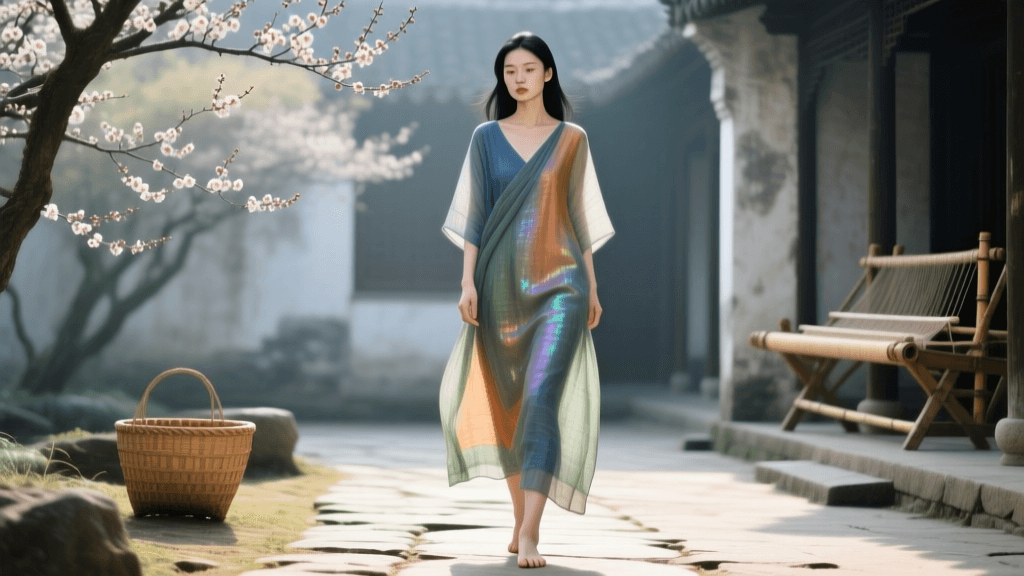
At the absolute center of this 2026 content creation boom is Xiangyunsha, also known as Gambiered Canton Gauze. Originating from the Shunde district of Foshan, this centuries-old textile is a marvel of natural engineering. The production process involves dipping premium mulberry silk into the astringent juice of the Dioscorea cirrhosa (a type of yam), sun-drying it, and then coating it with the iron-rich mud from the Pearl River Delta. This chemical reaction between the tannins in the yam juice and the iron in the mud creates a fabric that is naturally water-resistant, exceptionally cooling, and possesses a distinct, lacquer-like sheen.
Chinese fashion blogs in 2026 are obsessed with Xiangyunsha not just for its beauty, but for its sustainability and climate adaptability. As global temperatures continue to rise, creators are championing this textile as the ultimate luxury travel fabric. The UNESCO Intangible Cultural Heritage lists the broader sericulture and silk craftsmanship of China as a vital human tradition, and modern digital journalists are taking on the role of safeguarding these specific, localized techniques by making them relevant to the modern consumer. A genuine, hand-dyed Xiangyunsha garment is an investment, often retailing between 1,500 and 3,500 RMB per meter in 2026, and bloggers are providing the essential education needed for consumers to justify and appreciate this cost.
Top Content Creator Archetypes Driving the Revival
If you are following the Asian traditions fashion space in 2026, you will notice that the most successful Chinese fashion blogs fall into three distinct archetypes, each offering a unique perspective on heritage garments:
1. The Textile Archivist (WeChat Official Accounts)
These creators write long-form, heavily researched essays that read like academic papers mixed with high-end editorial spreads. They focus on the provenance of natural dyes, interviewing elderly artisans in Guangdong and Guizhou. Their content is essential for understanding the historical context of the garments, often citing texts from the Ming and Qing dynasties to explain the evolution of specific collar shapes and closure systems.
2. The Eco-Travel Stylist (Xiaohongshu / RED)
Visual storytellers who focus on how traditional garments perform in the real world. In 2026, Xiaohongshu's algorithm heavily favors 'Heritage & Horizon' content—carousels that show a garment packed in a suitcase, worn in extreme humidity, and styled with modern accessories. These creators provide actionable advice on how to integrate a Xiangyunsha jacket or an indigo-dyed ramie skirt into a minimalist, capsule travel wardrobe.
3. The Global Runway Commentator (Bilibili)
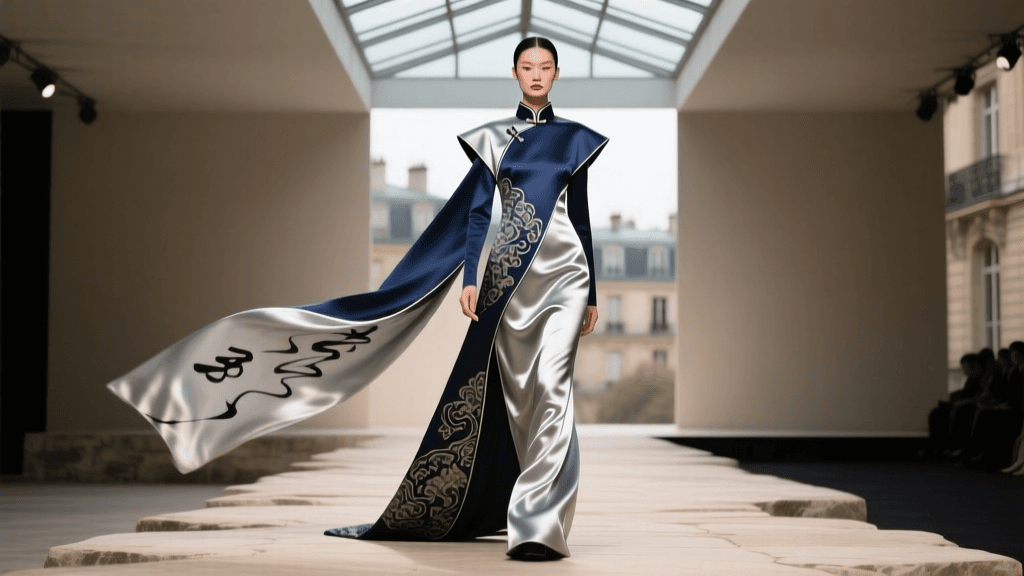
Video essayists who analyze how traditional Chinese textiles are being adopted by global luxury houses. They break down Paris and Milan runway shows, pointing out where international designers have borrowed from traditional Asian dyeing methods, and they frequently critique cultural appropriation versus appreciation, guiding their audience toward authentic, indigenous Chinese brands.
Curating the 2026 Heritage Travel Wardrobe
One of the most practical contributions of Chinese fashion bloggers in 2026 is their guide to building a heritage-based travel wardrobe. Traditional textiles like Xiangyunsha and indigo-dyed linens are uniquely suited for modern travel due to their natural properties. Here is the actionable advice top creators recommend for packing and caring for these garments on the road:
- The Rule of Rolling: Unlike standard silk which wrinkles catastrophically, Xiangyunsha has a natural 'slub' and memory. Creators advise loosely rolling the garments rather than folding them, allowing the fabric to drape and release minor creases within an hour of unpacking.
- Climate Adaptation: For travel to extreme heat destinations in Southeast Asia or Southern Europe, bloggers recommend unlined Xiangyunsha wide-leg trousers. The mud-coating process creates microscopic pores that allow for superior air circulation while blocking harmful UV rays.
- Washing on the Go: Never use alkaline soaps on heritage plant-dyed textiles. Top creators recommend carrying a small bottle of pH-neutral baby shampoo or specialized silk wash. Xiangyunsha can be gently swished in cool hotel sink water and will dry rapidly due to its natural water-resistant mud coating.
Comparative Analysis: Heritage Textiles for Modern Travel
To help their followers make informed purchasing decisions, Chinese fashion journalists frequently publish comparison charts. Below is a synthesized data table based on 2026 creator consensus regarding the top three heritage textiles for global travel.
| Textile Type | Breathability | Wrinkle Resistance | Eco-Impact (Dyeing) | 2026 Avg Cost (USD/meter) |
|---|---|---|---|---|
| Xiangyunsha (Gambiered Gauze) | Exceptional (Cooling) | High (Drapes well) | Zero-waste, natural mud/yam | $250 - $450 |
| Guizhou Indigo-Dyed Ramie | High (Crisp) | Low (Requires steaming) | Organic fermentation vats | $80 - $150 |
| Standard Mulberry Silk | Moderate | Very Low | Varies (Often chemical) | $40 - $120 |
As the data shows, while Xiangyunsha commands a premium price, its performance metrics in wrinkle resistance and breathability make it the undisputed champion for luxury heritage travel wardrobes in 2026.
Actionable Advice for Aspiring Heritage Fashion Bloggers
For those looking to enter the niche of Asian traditional garment journalism, the barrier to entry in 2026 requires a blend of technical photography skills and deep material knowledge. Capturing the essence of Xiangyunsha, for example, is notoriously difficult. The fabric features a dark, metallic, lacquer-like sheen on one side and a matte, earthy brown on the other. Standard ring lights will wash out the texture and create harsh, unappealing glare.
Top Chinese fashion photographers recommend using a Circular Polarizing (CPL) filter on your lens to cut through the surface glare and reveal the intricate, slubbed weave of the silk beneath. Furthermore, shooting during the 'golden hour' just before sunset is critical; the warm, directional light catches the amber undertones of the river mud dye, showcasing the fabric's organic origins. Finally, credibility in this niche demands transparency. Aspiring bloggers must learn to authenticate their pieces. Authentic Xiangyunsha makes a distinct, crisp rustling sound when walked in—often compared to stepping on dry autumn leaves—and retains a faint, earthy scent of herbal yam and river clay even years after production. The Metropolitan Museum of Art provides excellent foundational resources on the historical context of Chinese silk weaving, which modern bloggers use to fact-check the claims of contemporary artisans and brands.
Conclusion
The Chinese fashion journalism and content creation sphere in 2026 is a masterclass in how to honor the past while adapting to the future. By elevating textiles like Xiangyunsha and natural indigo, these creators are not just preserving Asian traditions; they are actively rewriting the rules of sustainable, climate-conscious global fashion. Whether you are a collector, a traveler, or a fellow journalist, following these digital archivists offers a profound glimpse into the living, breathing evolution of traditional Asian garments.