Neo-Hanbok and Silk Qipao: 2026 Global Fashion Media Trends
The 2026 Editorial Renaissance of Asian Silhouettes
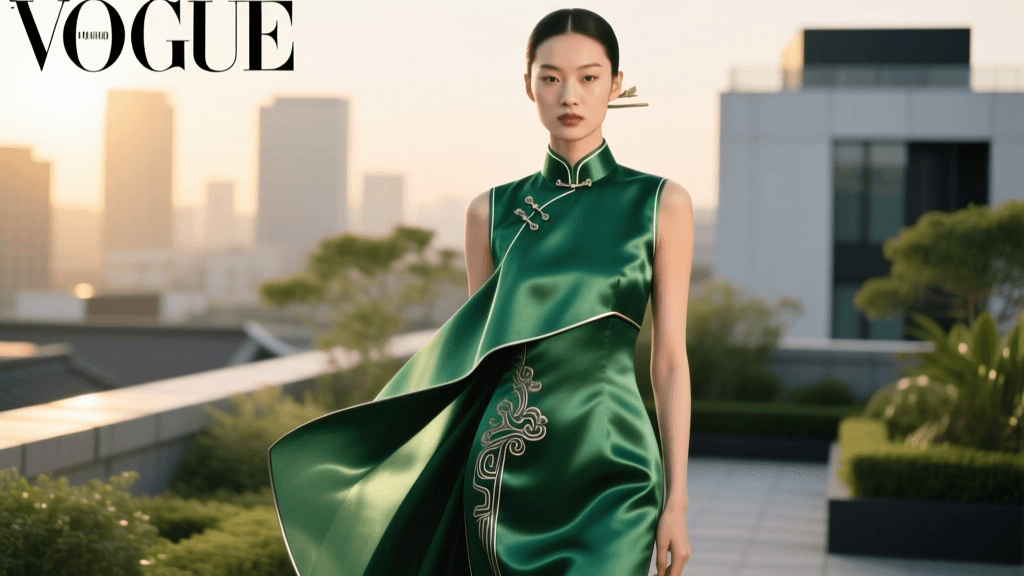
Global fashion media in 2026 has decisively moved past the era of superficial cultural borrowing, entering a phase of deep, structural appreciation for Asian traditional garments. Leading publications like Vogue, Harper's Bazaar, and Elle are no longer treating the Hanbok or the Qipao as mere thematic costumes for September issues. Instead, they are championing these garments as foundational elements of the modern luxury wardrobe. This shift is driven by a new generation of Asian diaspora designers and global creative directors who are deconstructing historical silhouettes and rebuilding them with avant-garde tailoring, sustainable textiles, and modular functionality.
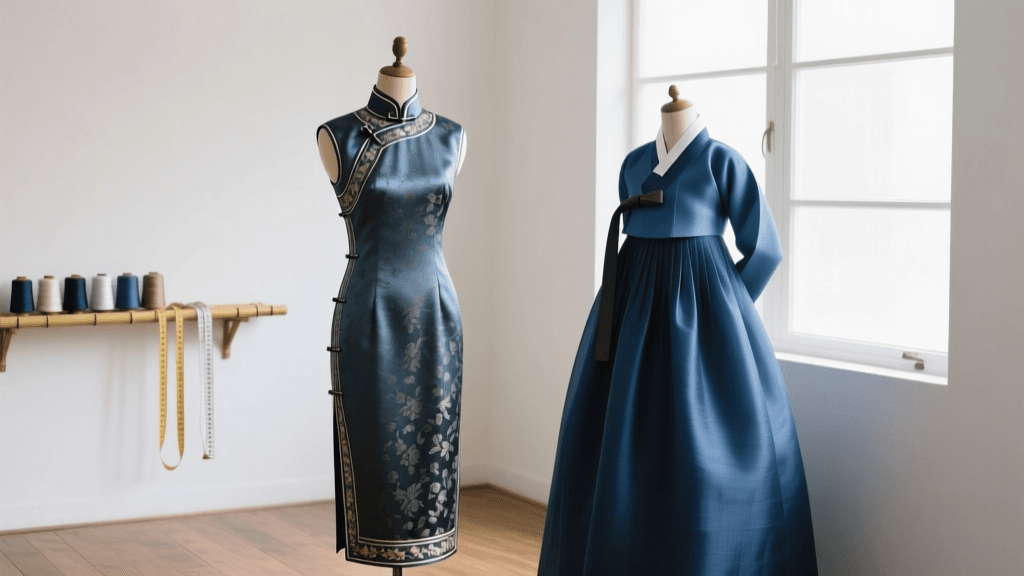
The 2026 editorial landscape is defined by a striking contrast: the voluminous, architectural lines of the Neo-Hanbok juxtaposed against the fluid, bias-cut mastery of the modern Silk Qipao. Fashion editors are styling these pieces not in isolation, but integrated with contemporary streetwear, high-end minimalism, and futuristic accessories. For the discerning collector and fashion enthusiast, understanding how to source, style, and care for these editorial-grade garments is essential for navigating the current luxury market.
Deconstructing the Neo-Hanbok: Proportions and Styling
The traditional Korean Hanbok has undergone a radical transformation in the hands of contemporary designers. In 2026 high-fashion editorials, the Neo-Hanbok focuses on extreme proportions and structural innovation. The jeogori (upper jacket) is frequently reimagined with architectural, padded shoulders and ultra-cropped hems. While historical records preserved by institutions like the National Museum of Korea showcase the elegant, flowing lines of the Joseon dynasty, today's media stylists prefer a cropped jeogori that measures exactly 11 to 14 inches from the nape to the hem, creating a striking visual break at the high waist.
The chima (skirt) is where the true volume lies. In 2026, the trend favors sustainable, cruelty-free peace silk and blended ramie fabrics that hold stiff, sculptural folds without the need for synthetic crinolines. Stylists are utilizing 3D-printed, biodegradable panniers to achieve a bell-like silhouette that spans up to 110 inches in hem circumference. This creates a dramatic, gravity-defying shape that photographs beautifully for high-resolution editorial spreads.
Styling the Neo-Hanbok for Modern Galas
- The Outer Layer: Pair a cropped, 12-inch silk organza jeogori with a floor-length, high-waisted chima. Secure the traditional goreum (ribbon tie) asymmetrically, allowing the tails to cascade down the side rather than the front, a popular 2026 styling trick to maintain a clean vertical line.
- Footwear: Abandon traditional flat shoes. Editorial stylists are pairing voluminous chima skirts with chunky, lug-sole platform boots or architectural acrylic heels that peek out just slightly when walking, grounding the ethereal top half with industrial weight.
- Jewelry: Keep the neckline bare. Opt for oversized, singular ear cuffs in brushed titanium or recycled silver, avoiding traditional hairpins (binyeo) in favor of sleek, minimalist scalp braids or sharp, geometric bobs.
The Modern Silk Qipao: Structural Elegance and Bias-Cut Mastery
The Qipao (or Cheongsam) has long been a symbol of Shanghai's sartorial elegance, but the 2026 iteration seen in global fashion capitals is a masterclass in textile engineering. Moving away from the stiff, heavily embroidered brocades of the late 20th century, today's luxury Qipao relies on the bias-cut technique. By cutting heavy 30-momme mulberry silk or innovative lab-grown spider-silk blends on the bias, designers allow the fabric to drape dynamically over the body, creating a fluid, second-skin effect that moves beautifully on camera.
The mandarin collar (li ling) remains a non-negotiable hallmark, but its proportions have been refined. The 2026 standard features a collar height of exactly 1.25 to 1.5 inches, stiffened with organic bamboo interfacing rather than synthetic plastics, ensuring it frames the jawline without restricting movement. The traditional pankou (frog buttons) are being reimagined as modular fasteners; some avant-garde designers are crafting them from carved jade, recycled aerospace aluminum, or even magnetic closures hidden within silk knots for seamless wearability.
'The true luxury of the modern Qipao lies not in the density of its embroidery, but in the mathematical precision of its bias cut and the ethical sourcing of its silk.' — 2026 Global Textile Report
2026 Sourcing Guide: Ateliers vs. Ready-to-Wear
Acquiring editorial-grade Asian traditional garments requires navigating a complex market. Fast-fashion approximations are heavily criticized in 2026 media for poor construction and cultural insensitivity. Below is a structured comparison of the best sourcing avenues for authentic, high-quality Neo-Hanbok and Silk Qipao garments this year.
| Sourcing Category | Example / Style Focus | Price Range (USD) | Lead Time | Best Use Case |
|---|---|---|---|---|
| Bespoke Ateliers | Custom Bias-Cut Silk Qipao | $1,800 - $4,500 | 6 - 10 Weeks | Red Carpet, Weddings, Archival Collecting |
| Contemporary Designers | Ready-to-Wear Neo-Hanbok Sets | $650 - $1,400 | In-Stock / 2 Weeks | Editorial Events, Galas, High-Fashion Parties |
| Archival / Vintage | Mid-Century Cheongsam (1930s-1960s) | $400 - $1,200 | Immediate | Styling with Modern Streetwear, Collector Pieces |
| Sustainable Innovators | Ramie-Blend Modular Hanbok | $350 - $800 | Pre-Order (4 Weeks) | Daytime Editorial, Sustainable Fashion Features |
Footwear and Accessory Pairings for the Modern Editorial Look
The accessories you choose will either anchor your traditional garment in the past or propel it into the 2026 fashion zeitgeist. Global stylists are currently favoring a 'clash of eras' approach. When wearing a meticulously tailored, floor-length silk Qipao, avoid delicate kitten heels. Instead, opt for knee-high, structured leather riding boots or sleek, pointed-toe mules with a chrome heel. This juxtaposition signals a deep understanding of both historical garment construction and modern fashion irony.
For the Neo-Hanbok, the focus is on hand accessories. Because the jeogori sleeves are often wide and dramatic, wrists become a focal point. Stacked, asymmetrical bangles or a single, oversized sculptural cuff in matte black ceramic provide a striking visual anchor. Handbags should be micro-sized and structural—think acrylic box clutches or 3D-printed geometric top-handles that mimic the architectural folds of the chima skirt.
Textile Care for Editorial-Grade Garments
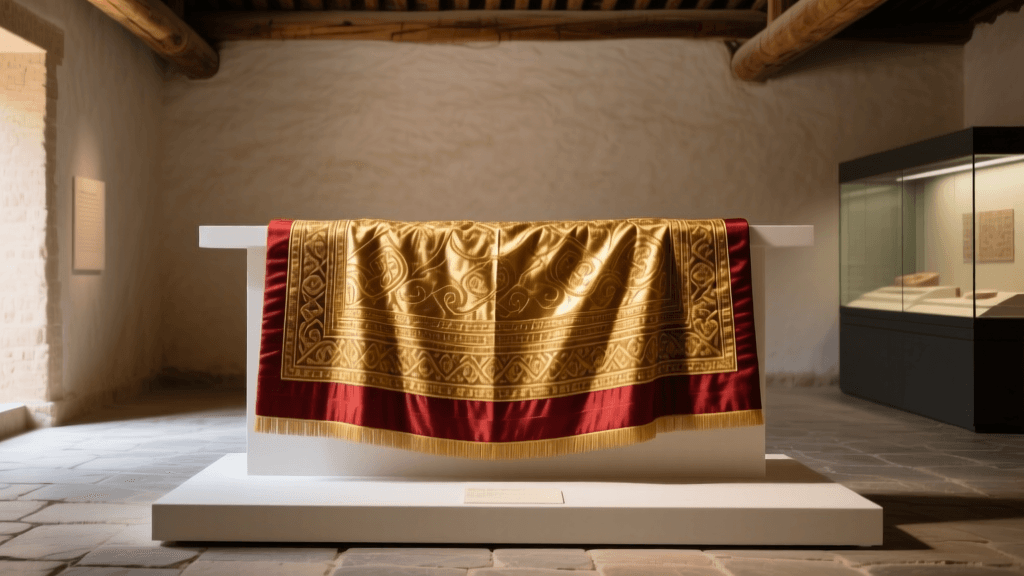
Investing in luxury Asian traditional garments requires a commitment to specialized textile care. The fabrics used in 2026's high-end pieces—such as peace silk, raw ramie, and metallic-thread brocades—are highly sensitive to modern cleaning chemicals. According to the textile preservation guidelines outlined by the Victoria and Albert Museum's Asian collections, improper washing can irreversibly damage the structural integrity of natural fibers and historical weaving techniques.
Actionable Care Instructions
- Peace Silk and Mulberry Silk (Qipao): Never dry clean bias-cut silk unless absolutely necessary, as the chemicals can strip the natural sericin, leaving the fabric brittle. Instead, hand wash in cold water (below 68°F/20°C) using a pH-neutral, enzyme-free detergent. Roll the garment in a clean, dry microfiber towel to absorb excess water, then lay flat on a mesh drying rack away from direct sunlight.
- Ramie and Hemp Blends (Neo-Hanbok): Ramie is incredibly strong when wet but prone to harsh creasing. Steam rather than iron. If you must iron, use a pressing cloth and a medium-high setting while the garment is still slightly damp to smooth the fibers without scorching them.
- Brocade and Metallic Threads: These garments should only be spot-cleaned or handled by a master dry cleaner who specializes in theatrical or archival textiles. Store them flat in acid-free tissue paper; hanging heavy brocade can cause the metallic threads to warp and the shoulder seams to stretch over time.
Cultural Appreciation and Media Responsibility
The 2026 media landscape demands accountability. When global fashion houses and magazines feature the Hanbok or Qipao, the conversation now inherently includes the artisans, the history, and the cultural significance of the garments. Stylists and consumers alike are expected to understand the difference between a theatrical costume and a culturally significant garment. By investing in authentic ateliers, respecting the traditional proportions while embracing modern styling, and practicing meticulous textile care, fashion enthusiasts can participate in this global renaissance with both style and profound respect.