Ultimate Hanfu & Silk Qipao Care, Washing & Storage Guide
The Renaissance of Traditional Asian Garments
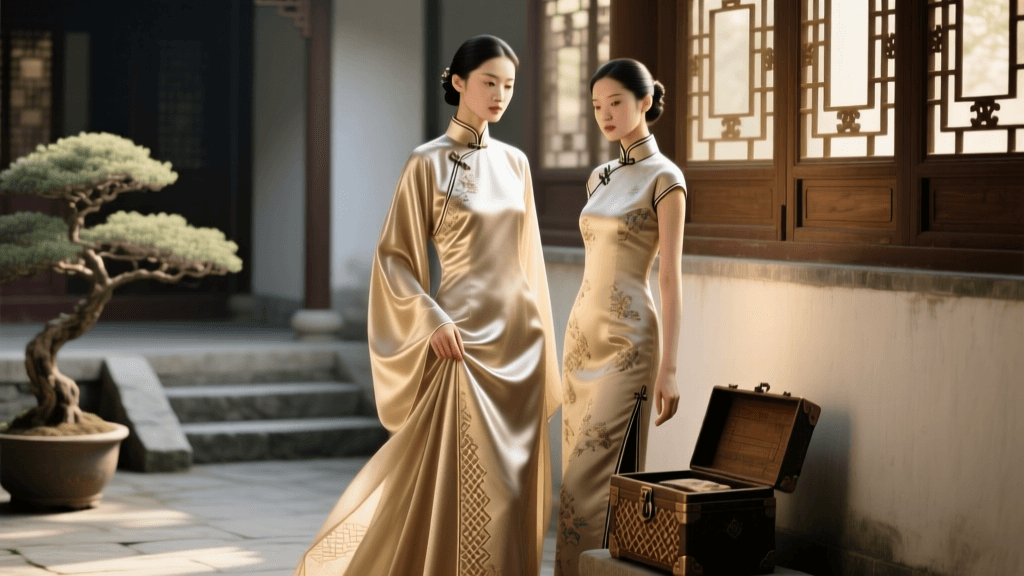
The global resurgence of traditional Chinese clothing, from the flowing silhouettes of Hanfu to the tailored elegance of the Qipao (Cheongsam), has brought centuries-old textile arts into modern wardrobes. Whether you are investing in a meticulously woven silk Mamianqun (horse-face skirt), a delicate Song dynasty-style Beizi, or a vintage brocade Qipao, proper garment care is essential. Unlike modern fast fashion, traditional Asian garments often utilize natural protein fibers, intricate metallic embroidery, and specialized weaving techniques that require highly specific maintenance. Neglecting these nuances can lead to irreversible fiber damage, color bleeding, and the degradation of historical silhouettes. This comprehensive guide provides actionable, expert-backed advice on washing, drying, ironing, and storing your traditional garments to ensure they remain pristine for generations.
Understanding Your Traditional Textiles
Before introducing water or heat to your garments, it is crucial to identify the fiber content. Traditional Hanfu and high-end Qipao are predominantly crafted from silk, a natural protein fiber composed of fibroin. Silk is renowned for its luster and drape but is highly sensitive to alkaline substances, high heat, and prolonged UV exposure. The Smithsonian Museum Conservation Institute notes that protein fibers like silk and wool are particularly vulnerable to enzymatic breakdown and alkaline degradation, meaning standard laundry detergents can literally dissolve the fabric over time.
Conversely, the modern Hanfu market frequently utilizes synthetic fibers such as polyester chiffon, organza, and jacquard blends. While these materials are more forgiving in the wash and resist wrinkling, they are highly susceptible to heat damage and can permanently trap oil-based stains. Furthermore, many ceremonial garments, such as Xiuhefu (traditional wedding attire) or formal Qipao, feature dense metallic thread embroidery (panjin) and beadwork. These embellishments can tarnish, rust, or snap if subjected to the agitation of a washing machine or the harsh chemicals of standard dry cleaning solvents.
The Ultimate Washing Guide: Do's and Don'ts
When it comes to cleaning traditional garments, the golden rule is to minimize agitation and avoid harsh chemicals. Below is a structured guide to washing the most common fabrics found in Hanfu and Qipao collections.
| Fabric Type | Common Garments | Washing Method | Water Temp | Detergent Type |
|---|---|---|---|---|
| 100% Mulberry Silk | Premium Hanfu, Vintage Qipao | Handwash / Dry Clean | Cold (Max 30°C) | pH-Neutral, Enzyme-Free |
| Silk Brocade (Zhuanghua) | Formal Mamianqun, Winter Jackets | Dry Clean Only | N/A | Professional Solvent |
| Polyester / Chiffon | Everyday Hanfu, Linings | Machine (Delicate Cycle) | Cold (Max 30°C) | Mild Liquid Detergent |
| Metallic Embroidery | Ceremonial Hanfu, Xiuhefu | Spot Clean / Dry Clean | N/A | N/A |
Handwashing Silk: Fill a clean basin with cold water and add a few drops of a pH-neutral, enzyme-free detergent (such as Eucalan or a dedicated silk wash). Submerge the garment and gently swish it for no more than three to five minutes. Never scrub, twist, or wring the fabric, as wet silk loses up to 20% of its tensile strength and is prone to micro-tears. Rinse thoroughly with cold water until the water runs completely clear.
Machine Washing Synthetics: If your Hanfu is made of polyester chiffon or cotton-linen blends, it can typically survive a machine wash. Always turn the garment inside out to protect outer embroidery and place it in a fine mesh laundry bag. Use the delicate or hand-wash cycle with cold water and a low spin speed (maximum 400 RPM) to prevent permanent creasing.
Drying and Ironing: Preserving the Fiber
The drying process is where many traditional garments suffer structural damage. Never hang a wet silk Hanfu or Qipao on a wire hanger or clothespin. The weight of the water will stretch the fibers, distorting the garment's tailored shape, while clothespins will leave permanent pinch marks. Instead, lay the garment flat on a clean, dry, colorfast towel. Roll the towel up gently like a sleeping bag to press out excess moisture, then unroll and transfer the garment to a padded hanger or a flat drying rack in a well-ventilated room.
Crucially, keep all traditional garments away from direct sunlight during the drying process. UV radiation causes rapid photodegradation in silk, leading to severe yellowing and fiber brittleness. Once the garment is mostly dry but still slightly damp, it is time to address wrinkles. Ironing silk requires precision: set your iron to the lowest heat setting (usually labeled 'Silk' or 110°C/230°F). Always use a clean cotton press cloth between the iron and the garment to prevent water spots and scorch marks. For heavily embroidered Qipao collars or Hanfu cuffs, iron from the reverse side to avoid crushing the three-dimensional texture of the embroidery.
Alternatively, a handheld garment steamer is highly recommended for delicate silks and synthetics. Steaming relaxes the fibers without applying direct pressure, preserving the loft of brocade weaves and the integrity of metallic threads. Keep the steamer nozzle at least two inches away from the fabric to prevent condensation spots.
Long-Term Storage Solutions
Proper storage is the cornerstone of textile preservation. According to the Victoria and Albert Museum's textile conservation guidelines, environmental factors such as fluctuating humidity, light exposure, and poor air circulation are the primary enemies of historical garments. Store your Hanfu and Qipao in a cool, dark, and dry environment, ideally maintaining a relative humidity of around 50%.
Folding vs. Hanging
While it may be tempting to hang all your garments, gravity is unforgiving over time. Heavy silk brocades, heavily embroidered Mamianqun, and winter Qipao should never be hung long-term, as the weight will warp the shoulder seams and stretch the waistbands. Instead, fold them carefully using acid-free tissue paper to cushion the creases and prevent hard fold lines that can eventually lead to fiber snapping. Lightweight chiffon Hanfu and everyday Qipao can be hung on wide, padded velvet hangers to maintain their silhouette without stressing the shoulders.
Never use traditional mothballs (naphthalene or paradichlorobenzene) in your garment storage. These chemicals release toxic fumes that can melt synthetic fibers, discolor silk, and leave an overpowering odor that is nearly impossible to remove from porous textiles.
Instead of chemical mothballs, utilize natural alternatives such as cedar wood blocks or dried lavender sachets to deter pests. Ensure these natural repellents do not come into direct contact with the fabric, as cedar oils can transfer and cause stubborn grease stains. Wrap your stored garments in unbleached, washed cotton muslin bags, which allow the fibers to breathe while protecting them from dust and light. Avoid plastic dry-cleaning bags, which trap moisture and emit acidic gases that degrade textiles over time.
Handling Stains, Travel, and Repairs
Accidents happen, especially when wearing flowing Hanfu sleeves or trailing Qipao hems outdoors. For water-based stains like tea or wine, immediately blot—do not rub—the area with a clean, absorbent cloth. Rubbing pushes the pigment deeper into the silk fibers. For oil-based stains, such as makeup or food grease, apply a small amount of cornstarch or talcum powder to the spot to absorb the oil before gently brushing it away and seeking professional dry cleaning.
When traveling with traditional garments, invest in a breathable canvas garment bag. To minimize packing wrinkles, roll lightweight Hanfu skirts and Qipao around a cardboard tube or use the bundle-wrapping technique. Upon arriving at your destination, hang the garments in the bathroom while taking a hot shower; the ambient steam will naturally release most travel wrinkles without the need for an iron. If a seam tears or a metallic thread unravels, resist the urge to pull the thread. The American Institute for Conservation advises securing loose threads with a small piece of painter's tape and consulting a professional textile conservator or a tailor specializing in traditional Asian garments for repair.
Conclusion
Caring for Hanfu and traditional Qipao is an act of cultural preservation. By understanding the unique chemical and structural properties of silk, brocade, and synthetic blends, you can protect your investment and honor the craftsmanship of these garments. From utilizing pH-neutral detergents and avoiding UV exposure to implementing archival-quality storage methods, these mindful practices ensure that your traditional wardrobe remains vibrant, elegant, and structurally sound for years to come.