Hanfu Travel Guide 2026: Packing Tips & Top Photo Spots
The 2026 Hanfu Travel Renaissance
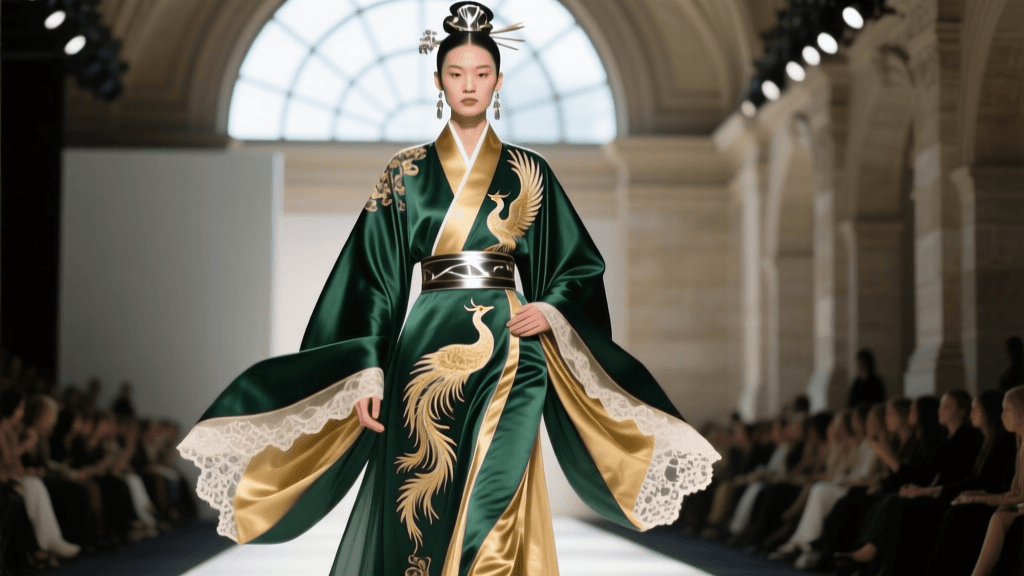
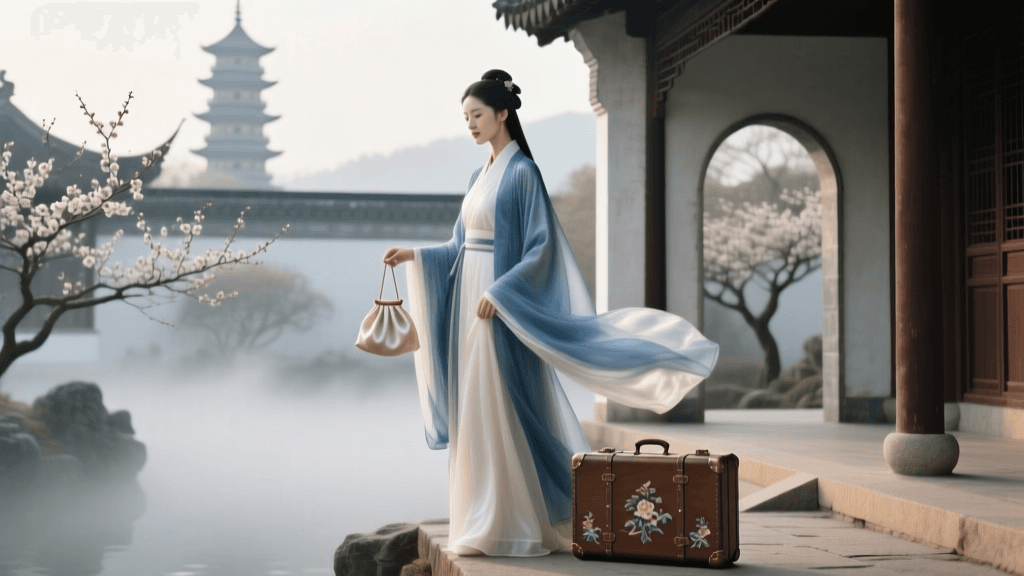
As we move through 2026, the global fascination with traditional Chinese garments has evolved from a niche subculture into a mainstream travel phenomenon. The Xin Zhongshi (new Chinese style) movement has seamlessly blended ancient aesthetics with modern mobility, prompting thousands of travelers to embark on heritage-focused journeys across Asia. However, traveling with Hanfu presents a unique set of logistical challenges. Delicate silk damasks, intricate metallic brocades, and heavily pleated Mamianqun (horse-face skirts) require meticulous care to survive the rigors of modern transit. Whether you are navigating the expanded 2026 high-speed rail network or flying internationally to capture the perfect photograph, mastering the art of Hanfu packing is essential for a successful trip.
Mastering the Art of Hanfu Packing
Packing traditional garments is fundamentally different from packing modern casual wear. The structured silhouettes and delicate textiles of Hanfu demand specialized techniques to prevent permanent creasing, fabric distortion, and moisture damage. According to the Victoria and Albert Museum's textile conservation guidelines, avoiding sharp folds and minimizing friction are the most critical steps in preserving historical and reproduction textiles during transit.
The Mamianqun (Horse-Face Skirt) Roll Technique
The Mamianqun is notoriously difficult to pack due to its sharp, knife-like pleats. Folding it in a traditional suitcase will crush the pleats, requiring hours of steaming upon arrival. Instead, utilize the "Core Roll" method:
- Step 1: Lay the skirt flat on a clean surface and align the front and back panels perfectly.
- Step 2: Use specialized magnetic pleat holders or soft silicone clips along the top waistband to secure the pleats in place.
- Step 3: Place a clean, acid-free cardboard tube (or a tightly rolled pool noodle wrapped in cotton) at the waistband.
- Step 4: Gently roll the skirt downward around the core. Never squeeze or compress the roll.
- Step 5: Slide the rolled skirt into a breathable cotton drawstring bag to protect the metallic threads from snagging.
Protecting Delicate Silks and Brocades
Silk organza and jacquard brocades are highly susceptible to moisture and friction. Never pack these garments in plastic dry-cleaning bags, as trapped humidity can lead to mildew or water spots. Instead, interleave layers of acid-free archival tissue paper between the folds of your upper garments (Shan and Ao). This prevents the metallic threads from abrading against the silk base fabric. For heavily embroidered pieces, turn the garment inside out before rolling to protect the raised embroidery threads from being crushed.
Essential 2026 Packing Gear
To ensure your garments remain pristine, invest in these specific travel tools:
- Steamery Cirrus No.2 Handheld Steamer: A dual-voltage, compact steamer that heats up in under 60 seconds. It is powerful enough to relax silk creases but gentle enough not to scorch delicate organza.
- Eagle Creek Pack-It Garment Folder: Ideal for flat-packing long Ruqun skirts or wide-sleeve Daxiushan (large-sleeve robes) without forcing them into tight rolls.
- Portable Ionic De-wrinkler Spray: A waterless fabric refresher that neutralizes static and relaxes minor wrinkles on brocade without introducing damaging moisture.
Navigating Transit with Traditional Garments
Traveling through modern transit hubs requires foresight, particularly regarding security checkpoints and luggage dimensions. In 2026, China Railway High-speed (CRH) enforces strict luggage size limits, with the total dimensions (length + width + height) of carry-on items not exceeding 130 centimeters. Traditional Hanfu garment bags often exceed this limit. To comply, use a compressible duffel bag with internal garment straps rather than a rigid, oversized suit carrier.
Airport and railway security scanners present another hurdle: traditional metal hairpins (Zanzi) and elaborate Buyao (step-shake) hair ornaments. These intricate pieces will trigger metal detectors and can easily be bent or broken if inspected hastily in a security bin. Always pack metal hair accessories in your checked luggage or a padded, hard-shell jewelry case in your carry-on. For transit days, opt for acrylic, carved wood, or resin hairpins that mimic the look of jade and gold but will pass through security scanners without issue.
Top Hanfu Destinations for 2026
Choosing the right destination can elevate your Hanfu photography and cultural immersion. While Xi'an remains a staple for Tang Dynasty aesthetics, 2026 has seen a surge in travelers exploring secondary heritage cities that offer uncrowded, highly authentic backdrops.
Luoyang, Henan: The Undisputed Hanfu Capital
Luoyang has fully embraced the Hanfu economy, offering city-wide subsidies for travelers in traditional dress. The 2026 Luoyang Peony Festival features exclusive night-market access for Hanfu wearers at the Jiuzhou Pond and Yingtiangong ruins. The city's infrastructure is highly accommodating, with countless rental shops offering professional makeup and styling services tailored specifically to Wei and Jin Dynasty aesthetics, characterized by flowing, wide-sleeved robes and ethereal ribbons.
Jingdezhen, Jiangxi: Ceramic Culture Meets Ming Aesthetics
Known globally as the porcelain capital, Jingdezhen offers a unique backdrop for Ming Dynasty Hanfu. The Taoxichuan Cultural and Creative District blends ancient kiln ruins with modern art spaces. The earthy tones, celadon greens, and deep indigos of Ming-style round-collar robes (Yuanlingpao) contrast beautifully against the white-washed walls and blue-and-white ceramic installations scattered throughout the city's historic alleys.
Suzhou, Jiangsu: Song Dynasty Minimalism
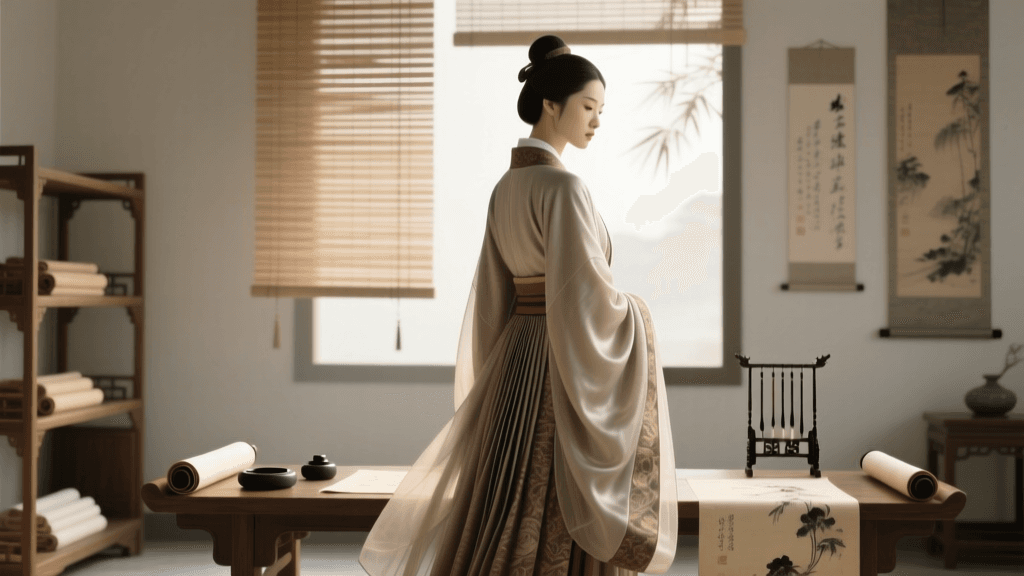
For those who prefer the understated elegance of the Song Dynasty, Suzhou is the ultimate destination. The city's classical gardens, recognized on the UNESCO World Heritage list, provide a serene environment for photography. Song-style Hanfu, featuring narrow sleeves, pleated skirts, and subtle, monochromatic color palettes, harmonizes perfectly with the meticulously designed rockeries, koi ponds, and bamboo groves of the Humble Administrator's Garden. Early morning access passes are available in 2026 for photographers looking to avoid the mid-day crowds.
Destination Comparison Chart
| Destination | Best Hanfu Era | Peak Season 2026 | Avg. Daily Budget (CNY) | Primary Vibe |
|---|---|---|---|---|
| Luoyang | Wei/Jin & Tang | April (Peony Festival) | 600 - 900 | Grand, Ethereal, Night Markets |
| Jingdezhen | Ming Dynasty | October (Autumn Kilns) | 500 - 800 | Artisan, Earthy, Historic |
| Suzhou | Song Dynasty | March & November | 700 - 1100 | Minimalist, Elegant, Serene |
| Quanzhou | Song/Yuan Fusion | December - February | 450 - 700 | Maritime, Vibrant, Multicultural |
Embracing the Journey
Traveling with Hanfu is more than just a photographic endeavor; it is a profound engagement with the material culture of Asia. The intricate weaves and natural dyes used in these garments tell a story of ancient trade routes and technological innovation. As noted by the Metropolitan Museum of Art's Heilbrunn Timeline of Art History, the production and trade of silk fundamentally shaped global economic and cultural exchanges for millennia. When you carefully pack, transport, and wear these garments in historically significant locations, you are participating in a living continuation of that history.
By utilizing proper packing techniques, respecting transit regulations, and choosing destinations that align with your garment's historical context, your 2026 Hanfu travel experience will be both visually spectacular and culturally enriching. Prepare your garments, book your high-speed rail tickets, and step into the living canvas of Asian heritage.