Complete Hanfu Storage Rotation & Care Guide 2026
The Evolution of Hanfu Wardrobe Management in 2026
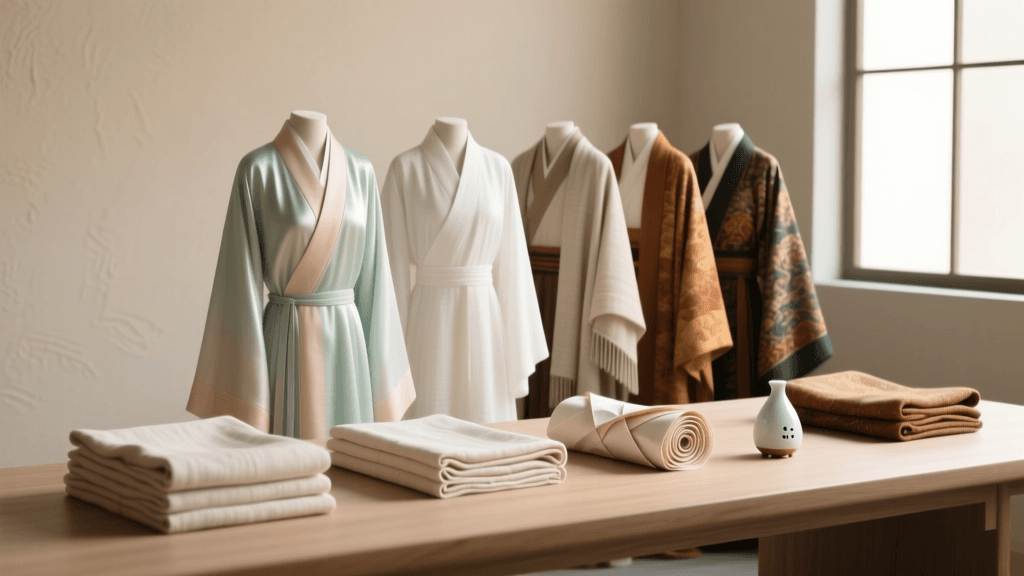
As the Xin Zhongshi (new Chinese style) movement continues to redefine modern global fashion in 2026, the traditional Hanfu wardrobe has transitioned from occasional ceremonial wear to a robust, everyday capsule collection. Modern enthusiasts and collectors now frequently own upwards of twenty to thirty distinct pieces, ranging from lightweight summer linen Ruqun to heavy, gold-woven winter Mamianqun. With this expansion comes a critical need for professional-grade garment care. Proper seasonal rotation and storage are no longer just about keeping clothes neat; they are about preserving cultural heritage, maintaining structural integrity, and protecting significant financial investments.
This comprehensive guide outlines the best practices for Hanfu storage rotation and seasonal maintenance in 2026, integrating time-honored textile preservation techniques with the latest smart-home climate control technology. Whether you are storing delicate mulberry silk or structured brocade, these methodologies will ensure your garments remain pristine for generations.
The Science of Fiber: Understanding Your Hanfu Materials
Before implementing a storage strategy, it is vital to understand the biological and chemical nature of traditional Chinese textiles. Hanfu garments are predominantly crafted from natural fibers: protein-based fibers like silk and wool, and cellulose-based fibers like linen, cotton, and hemp. Each reacts differently to environmental stressors such as light, humidity, and pests.
Protein fibers (silk) are highly susceptible to alkaline damage and protein-eating pests like moths. Cellulose fibers (linen, cotton) are more resilient to pests but highly vulnerable to mold, mildew, and acid degradation from improper storage materials.
Recognizing these distinctions is the first step in curating a seasonal rotation schedule that mitigates the specific risks associated with each fabric type.
Pre-Storage Preparation: The Golden Rule of Textile Care
The most common mistake made during seasonal rotation is storing garments that have not been properly cleaned. Even if a Hanfu piece was only worn for a few hours, invisible residues from perspiration, skin oils, and environmental pollutants remain on the fibers. Over a period of six months in storage, these residues oxidize, leading to permanent yellowing, particularly on white and pastel silks.
Washing vs. Dry Cleaning
- Handwashing: Ideal for unlined cotton, hemp, and robust linen garments. Use a pH-neutral, enzyme-free detergent specifically formulated for delicates. Water temperature should never exceed 30°C (86°F).
- Professional Wet Cleaning: For delicate silks, crepe de chine, and georgette, seek out a cleaner specializing in historical textiles or high-end couture. Traditional perc (perchloroethylene) dry cleaning can strip the natural sericin from silk, making it brittle over time.
- Spot Cleaning & Airing: For heavily embroidered collars or Zhi Jin (gold-woven brocade) that cannot be submerged, use a specialized textile sponge and air the garment in a shaded, well-ventilated room for 48 hours before storage.
Fabric-Specific Storage: Folding, Hanging, and Rolling
How you physically place your Hanfu into storage dictates its shape and structural health upon retrieval. The 2026 consensus among textile conservators emphasizes minimizing stress points on the fabric.
Mamianqun (Horse-Face Skirts): Preserving the Pleats
The Mamianqun is renowned for its intricate, sharp pleats. Improper storage will cause these pleats to slump, requiring extensive steaming to restore. Never fold a Mamianqun in half. Instead, use the rolling method or specialized hanging.
- The Rolling Method: Lay the skirt flat. Place acid-free, unbuffered tissue paper inside each pleat to maintain the crease. Roll the skirt gently around a large, acid-free cardboard tube padded with unbleached cotton muslin. Store the tube horizontally in a dark, climate-controlled drawer.
- Padded Hanging: If hanging is necessary, use a wide, padded velvet hanger. Wrap the waistband in unbleached muslin to prevent rust transfer from the metal side-adjusters or clips, and ensure the hem does not drag on the closet floor.
Ruqun and Aoqun: Managing Delicate Silks and Heavy Brocades
Lightweight tops (Shan, Ao) and delicate skirts should be folded using the archival box method. Place unbuffered acid-free tissue paper between every fold to prevent hard creases, which can eventually lead to fiber snapping. Heavy winter brocades and fur-lined jackets must be stored flat in large archival boxes; hanging these heavy pieces will cause the shoulder seams to stretch and tear under their own weight over time.
Seasonal Rotation Schedule & Environmental Controls
According to the Canadian Conservation Institute's official notes on textile storage, maintaining a stable microclimate is the most critical factor in preventing fiber degradation. Fluctuations in temperature and relative humidity (RH) cause fibers to expand and contract, leading to mechanical fatigue.
In 2026, smart home integration allows collectors to monitor their closet environments in real-time. The ideal environment for a mixed-fiber Hanfu wardrobe is a consistent temperature of 18°C to 20°C (64°F to 68°F) with a Relative Humidity (RH) strictly maintained between 45% and 55%. Below 40% RH, silk becomes brittle; above 60% RH, the risk of mold spores germinating on linen and cotton increases exponentially.
| Fabric Type | Ideal RH Level | Recommended Storage Method | Primary Threat |
|---|---|---|---|
| Mulberry Silk (Unlined) | 45% - 50% | Flat archival box with tissue interleaving | Light exposure, alkaline sweat |
| Zhi Jin (Gold Brocade) | 45% - 55% | Flat storage, rolled if heavily patterned | Metallic thread oxidation, friction |
| Linen / Hemp (Summer) | 50% - 55% | Folded in breathable cotton muslin bags | Mold, mildew, hard creasing |
| Wool / Fur-lined Winter | 40% - 45% | Flat, sealed with cedar blocks | Protein-eating moths, carpet beetles |
| Mamianqun (Pleated) | 45% - 55% | Rolled on padded archival tubes | Pleat slumping, waistband rust |
Archival Materials: What to Use and What to Avoid
The Victoria and Albert Museum's textile conservation guidelines strongly advise against the use of standard plastic garment bags, wire hangers, and cardboard boxes. Plastic traps moisture and off-gasses volatile organic compounds (VOCs) that yellow silk. Wire hangers create severe stress points and rust easily.
Essential Archival Supplies for 2026:
- Unbleached Cotton Muslin Bags: Allows the garment to breathe while protecting it from dust and ambient light.
- Unbuffered Acid-Free Tissue Paper: Crucial for silk and wool. (Note: Buffered tissue, which contains calcium carbonate, is safe for cotton and linen but can damage protein fibers).
- Archival-Grade Polyethylene Boxes: Inert, moisture-resistant, and structurally sound for long-term flat storage.
Traditional and Modern Pest Deterrence
Pests like the webbing clothes moth and the carpet beetle are devastating to silk and wool Hanfu. While modern chemical mothballs (naphthalene or paradichlorobenzene) are effective, they are highly toxic, leave a persistent odor, and can actually melt synthetic blends or damage metallic threads in Zhi Jin garments.
Instead, modern Hanfu collectors in 2026 are returning to upgraded traditional methods combined with natural botanicals:
- Traditional Huamei (Sachets): Hand-embroidered silk sachets filled with a 2026-updated blend of dried wormwood (Artemisia argyi), cloves, and Sichuan peppercorns. These naturally repel insects without off-gassing harmful chemicals.
- Untreated Cedar Blocks: Sustainably sourced cedar wood blocks sanded lightly every six months to release their natural oils. They must be kept from directly touching the silk to prevent oil transfer.
- Lavender Bundles: Dried lavender wrapped in muslin is an excellent deterrent for linen and cotton summer pieces, provided it is replaced annually to maintain potency.
Smart Closet Tech for Traditional Garments
The integration of IoT (Internet of Things) devices into wardrobe management has revolutionized seasonal rotation. In 2026, compact, wireless smart hygrometers can be placed inside archival boxes and muslin bags, sending real-time humidity and temperature alerts directly to your smartphone. If the RH inside a storage box drops below 40%, the system triggers a notification, allowing you to intervene before the silk fibers suffer micro-fractures.
Furthermore, UV-blocking window films and smart LED closet lighting that automatically filter out the 400nm to 500nm blue-light spectrum are now standard recommendations for any room housing an extensive Hanfu collection. Light damage is cumulative and irreversible; minimizing lux exposure during the retrieval and rotation process is just as important as the storage environment itself.
The Seasonal Rotation Workflow
To maintain a seamless wardrobe transition between the humid summers and dry winters, follow this bi-annual rotation workflow:
- Inspection: Remove off-season garments from storage. Inspect seams, pleats, and metallic threads under bright, indirect light for any signs of stress or pest activity.
- Airing: Allow garments to rest flat on clean, white cotton sheets in a climate-controlled room for 24 hours to let the fibers acclimate to the new ambient humidity.
- Steaming: Use a professional-grade continuous steam system to gently refresh the fabrics and eliminate storage odors. Never let the metal plate of an iron touch silk or brocade.
- Restocking Storage: Clean and prepare the garments going into storage, replacing cedar blocks and refreshing the desiccant packets in your archival boxes.
Conclusion
Preserving a Hanfu collection in 2026 requires a harmonious blend of historical respect and modern scientific precision. By understanding the unique properties of traditional Asian textiles, utilizing archival-grade storage materials, and leveraging smart environmental controls, you ensure that every Mamianqun pleat and Ruqun silk thread remains as vibrant as the day it was woven. Proper seasonal rotation is not merely a chore; it is an act of cultural stewardship, safeguarding the tangible artistry of the past for the fashion landscapes of the future.