2026 Hanfu Storage Rotation and Seasonal Maintenance Guide
The Evolution of Hanfu Wardrobes in 2026
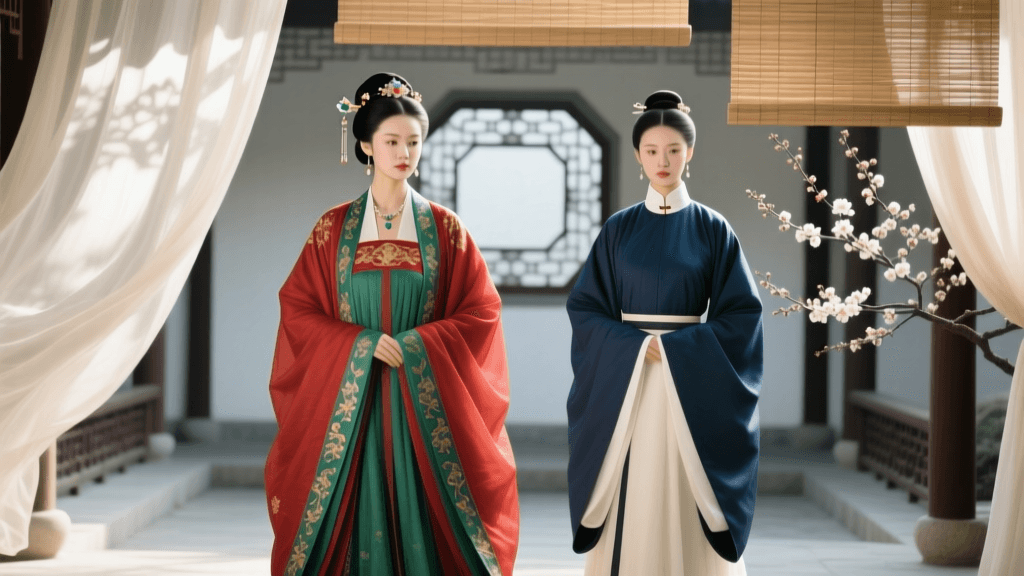
As the global appreciation for traditional Asian garments accelerates in 2026, the Hanfu community has transitioned from casual hobbyists to dedicated curators of personal textile archives. The rise of the Xin Zhongshi (new Chinese style) movement has seamlessly integrated Ming dynasty silhouettes and Song dynasty minimalism into daily modern life. Consequently, enthusiasts now own extensive collections ranging from lightweight summer ramie to heavy winter Song brocade. However, owning these magnificent pieces is only half the journey; preserving their structural integrity, vibrant dyes, and intricate weaves requires a meticulous, science-backed approach to seasonal storage rotation.
Unlike modern fast fashion, traditional Hanfu garments are often constructed from natural, organic fibers that are highly reactive to environmental fluctuations. Protein-based fibers like silk are susceptible to protein-hungry pests and moisture-induced mold, while cellulose fibers like linen and ramie can become brittle or harbor mildew if stored improperly. This comprehensive 2026 guide outlines the definitive protocols for rotating, cleaning, and storing your Hanfu wardrobe to ensure these cultural artifacts endure for generations.
Fabric-Specific Preservation Protocols
Before initiating a seasonal rotation, it is critical to understand the material science behind your garments. According to the American Institute for Conservation's Textile Wiki, different fiber classes require distinct microclimates to prevent irreversible degradation.
Mulberry Silk and Song Brocade
Silk is a protein fiber that requires a stable, moderate humidity level. In 2026, museum-grade mulberry silk and authentic Song brocade (Song Jin) remain highly prized for formal Hanfu sets. Silk must never be stored in direct contact with bare wood or standard cardboard, as the acidic lignins in these materials will cause yellowing and fiber weakening over time. Furthermore, silk garments woven with metallic gold or silver threads require special attention; these threads can tarnish or oxidize if exposed to high humidity or sulfur-based compounds found in some atmospheric pollutants.
Xiangyunsha (Gambiered Gauze)
Xiangyunsha, the intangible cultural heritage fabric from Guangdong, is dyed with薯莨 (Dioscorea cirrhosa) tuber juice and coated with river mud. This unique process gives the silk a distinct crackling sound and a water-resistant finish. However, the mud-coating makes the fabric stiff and prone to cracking if folded sharply. Xiangyunsha must be stored loosely rolled or padded with acid-free tissue to prevent permanent creasing along the fold lines.
Ramie and Linen Blends
Summer Hanfu often features ramie or linen, prized for their breathability and historical accuracy in Tang and Song dynasty recreations. These cellulose fibers are incredibly durable but highly prone to wrinkling and mildew if stored with residual moisture. The Victoria and Albert Museum's conservation guidelines emphasize that plant-based fibers must be completely bone-dry before entering long-term storage to prevent fungal growth, which can manifest as dark, irreversible spotting.
The Bi-Annual Seasonal Rotation Timeline
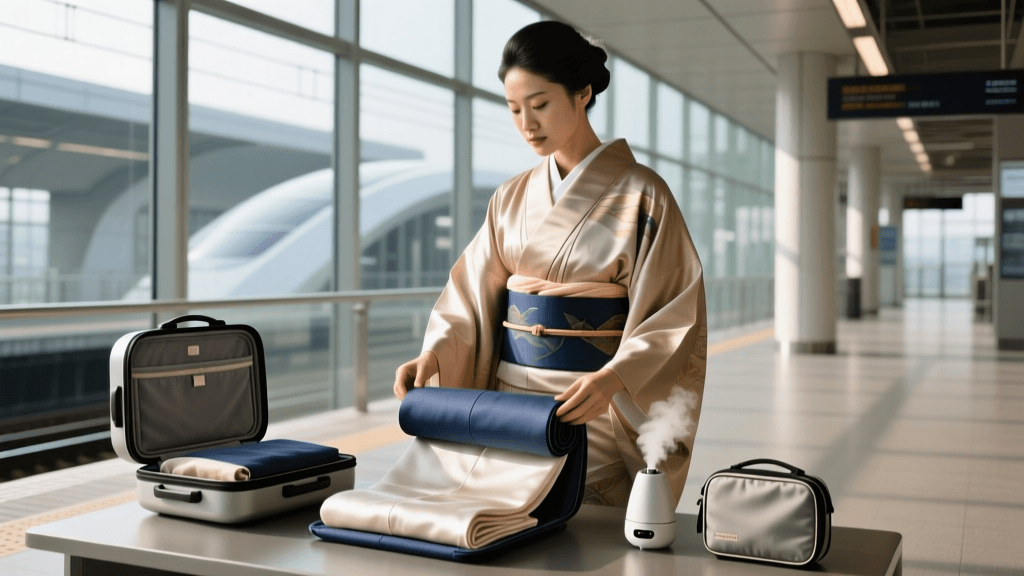
A successful Hanfu wardrobe relies on a strict bi-annual rotation schedule, typically aligned with the equinoxes. In 2026, many collectors utilize the spring and autumn transitions to perform deep inspections.
- Spring Rotation (March/April): Transitioning from heavy winter wools and lined brocades to unlined silk, cotton, and linen. This is the time to inspect winter garments for pests before sealing them away for the warmer months.
- Autumn Rotation (September/October): Transitioning back to layered garments, pifeng (capes), and lined skirts. Summer garments must be thoroughly cleaned to remove invisible sweat and sebum, which attract silverfish and carpet beetles during winter storage.
Folding vs. Hanging: Structural Integrity
One of the most common mistakes in Hanfu maintenance is applying modern western wardrobe logic to traditional Asian cuts. The structural distribution of fabric in Hanfu dictates its storage method.
The Mamianqun Pleat Preservation Technique
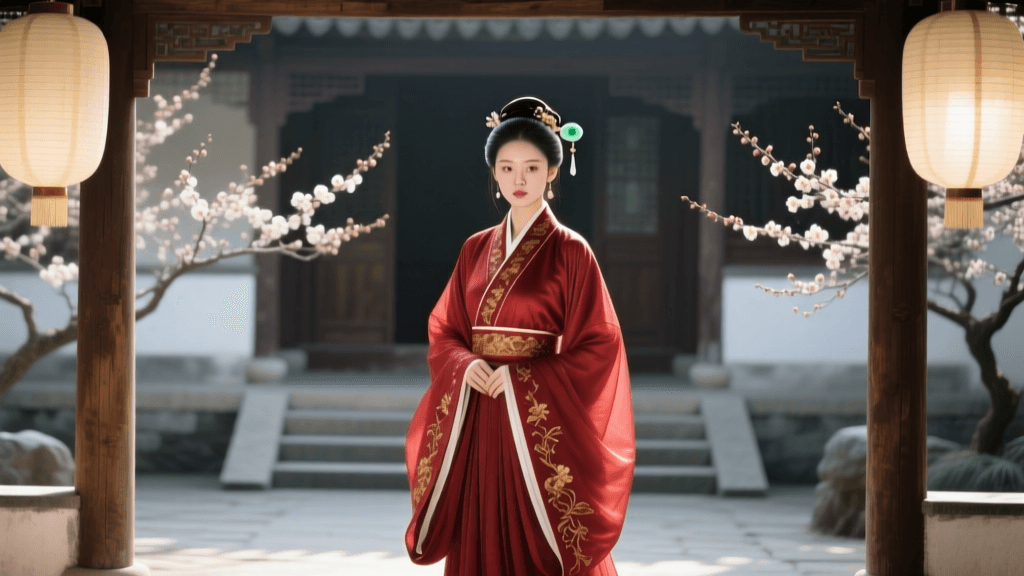
The mamianqun (horse-face skirt) is a cornerstone of the Ming dynasty aesthetic. The intricate knife pleats and flat panels require specialized care. Never hang a heavy silk or brocade mamianqun by its waistband for long-term storage; the sheer weight of the fabric will stretch the warp threads and distort the pleats. Instead, use the 'accordion fold' method. Lay the skirt flat, align the pleats precisely, and place sheets of acid-free, unbuffered tissue paper between every fold. Store the skirt flat in an archival-grade polypropylene box.
Ruqun, Beizi, and Pifeng
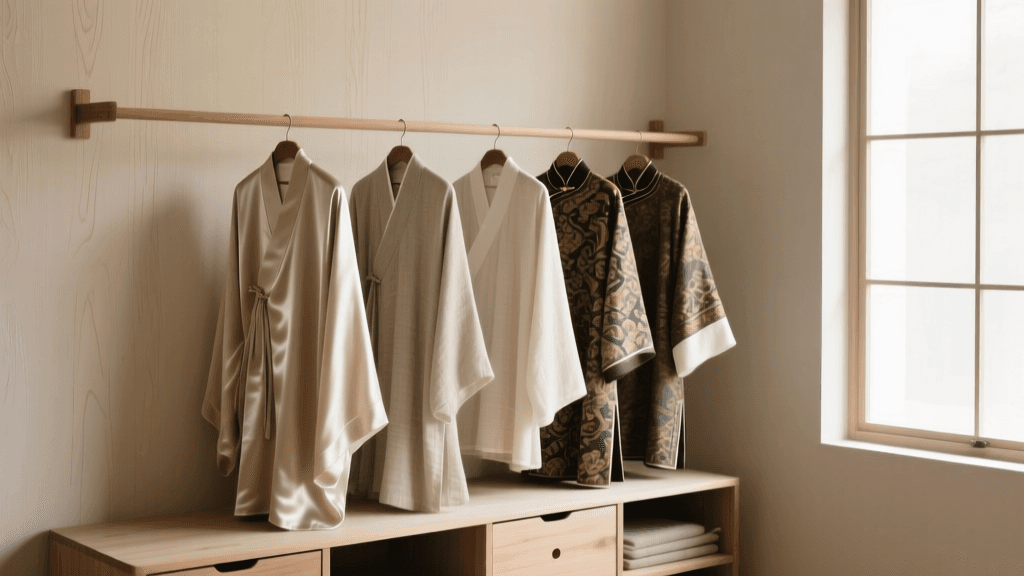
Upper garments like the beizi (long open-front coat) and pifeng (cape) are best stored on wide, padded hangers to maintain the shoulder drape. Wire hangers are strictly forbidden, as they create localized stress points that tear delicate silk over time. For 2026 collections, archival foam hangers wrapped in unbleached muslin are the industry standard. Conversely, delicate ruqun (blouse and skirt sets) made of thin, unlined silk should be folded to prevent the fabric from stretching under its own weight.
Comprehensive Storage Environment Chart
Maintaining the correct microclimate is essential. Below is the 2026 standard reference chart for Hanfu textile preservation.
| Fabric Type | Storage Method | Ideal Humidity | Temperature | Pest Vulnerability |
|---|---|---|---|---|
| Mulberry Silk | Flat / Padded Hanger | 45% - 55% | 65°F - 70°F | High (Moths, Silverfish) |
| Song Brocade | Flat (Tissue Buffered) | 45% - 50% | 65°F - 68°F | High (Moths, Tarnish) |
| Xiangyunsha | Rolled / Loose Fold | 50% - 60% | 65°F - 72°F | Low (Mud-coated) |
| Ramie / Linen | Flat / Wide Hanger | 40% - 50% | 65°F - 70°F | Medium (Silverfish, Mold) |
| Cotton Blends | Folded / Hanger | 40% - 55% | 65°F - 72°F | Medium (Silverfish) |
Modern Pest Control and Smart Monitoring in 2026
The days of using toxic naphthalene mothballs are long gone. Not only are these chemicals hazardous to human health, but they also react chemically with metallic threads and certain natural dyes used in Hanfu, causing irreversible discoloration. In 2026, the focus is on integrated pest management (IPM) and smart environmental monitoring.
Natural Deterrents
For protein fibers, use sustainably harvested cedarwood blocks and dried lavender sachets. Cedarwood contains natural oils that repel adult moths, though it must be lightly sanded every six months to maintain its efficacy. Ensure these botanical deterrents are placed in small muslin bags and never directly touch the silk, as the oils can stain the fabric.
Smart Hygrometers and Climate Automation
Modern Hanfu collectors are increasingly integrating smart home technology into their storage spaces. Utilizing Matter-compatible smart hygrometers placed inside archival storage boxes allows for real-time climate tracking via smartphone apps. If the humidity inside a silk storage bin drops below 40% (causing brittleness) or spikes above 60% (inviting mold), the system triggers an alert. Many enthusiasts in 2026 pair these sensors with smart plugs connected to localized dehumidifiers or humidifiers in their walk-in closets, creating an automated, museum-grade preservation environment without constant manual checking.
The Cleaning Prerequisite
Never store a worn Hanfu garment without cleaning it first. Human sweat contains salts and urea, which attract pests and cause acidic degradation of silk fibers over time. While traditional dry cleaning uses harsh perchloroethylene (perc) that can strip natural oils from silk, 2026 has seen a widespread adoption of eco-friendly 'wet cleaning' technologies and liquid silicone solvents by specialized heritage cleaners. For everyday unlined garments, gentle hand-washing in cool water with a pH-neutral, enzyme-free silk wash is highly recommended. Always allow garments to air dry completely in a shaded, well-ventilated area before initiating the storage process.
Conclusion
Preserving a Hanfu wardrobe is an act of cultural stewardship. By understanding the unique material properties of silk, brocade, and ramie, and by leveraging modern archival materials and smart climate monitoring, collectors can ensure their garments remain pristine. As the Xin Zhongshi movement continues to bridge the gap between ancient artistry and modern living, these meticulous storage and rotation practices guarantee that the beauty of traditional Asian textiles will be preserved for the future. For further reading on heritage textile preservation, the Metropolitan Museum of Art's Conservation Department offers extensive resources on the scientific analysis and care of historical garments.