2026 Hanfu Storage Rotation and Seasonal Care Guide
The Rise of the Hanfu Wardrobe in 2026
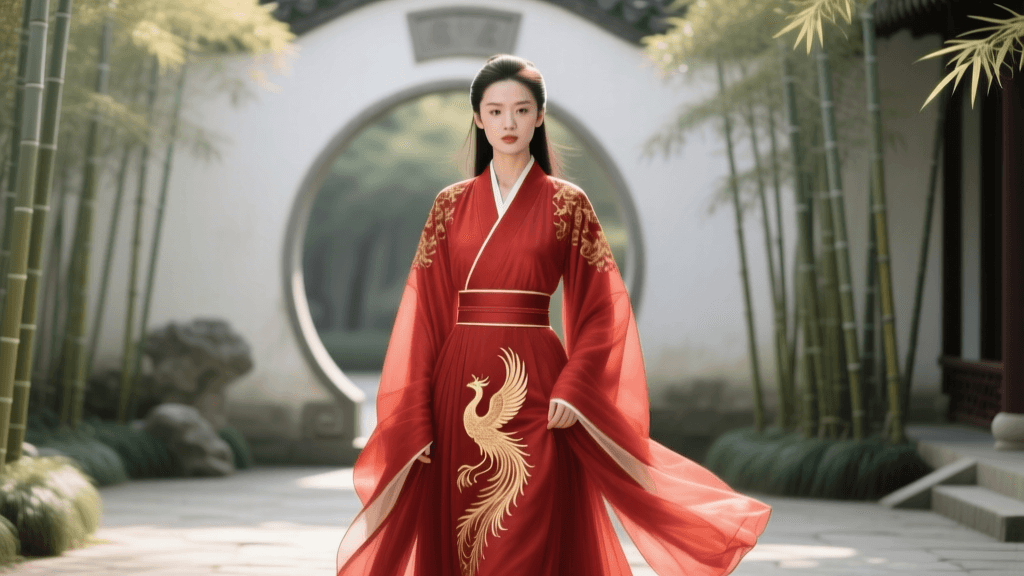
As the Xin Zhongshi (new Chinese style) movement continues to mature in 2026, the modern Hanfu wardrobe has transitioned from occasional ceremonial wear to a sophisticated, everyday integration of traditional textiles. Collectors and enthusiasts now frequently own a diverse array of garments, ranging from lightweight Song dynasty silk gauzes to heavy, metallic-threaded Ming dynasty brocades. However, owning these exquisite pieces is only half the journey; preserving them requires a meticulous approach to storage, rotation, and seasonal maintenance.
Traditional Asian garments are predominantly crafted from natural protein and cellulose fibers that are highly susceptible to environmental degradation. Improper storage can lead to irreversible damage, including silk shattering, brocade warping, and permanent crease lines. This comprehensive 2026 guide outlines museum-grade techniques adapted for the home collector, ensuring your Hanfu collection remains pristine for generations.
Understanding Your Textiles: Silk, Brocade, and Ramie
Before implementing a storage strategy, it is crucial to understand the material science behind your garments. Silk is a protein fiber that weakens when exposed to prolonged moisture, high acidity, and direct ultraviolet light. Brocade, often woven with metallic threads or supplementary wefts, is structurally heavy and prone to snagging and tension distortion if hung improperly. Conversely, plant-based fibers like ramie and linen, frequently used in summer Ruqun, are more resilient to moisture but highly attractive to silverfish and other cellulose-eating pests.
According to the Smithsonian Museum Conservation Institute, the primary enemies of textile preservation are fluctuating temperatures, high relative humidity, and poor air circulation. By tailoring your storage environment to the specific fiber content of your Hanfu, you can drastically slow the aging process.
The 2026 Seasonal Rotation Matrix
A proactive rotation schedule prevents garments from sitting in stagnant environments for too long, allowing you to inspect for early signs of pest activity or mold. Below is the recommended seasonal rotation and storage matrix for common Hanfu styles.
| Hanfu Garment Type | Primary Fabric | Ideal Storage Method | Target Humidity (RH) | Rotation/Airing Schedule |
|---|---|---|---|---|
| Ming Dynasty Aoqun (Jacket & Skirt) | Heavy Brocade / Damask | Flat fold with acid-free tissue | 45% - 50% | Every 4 months |
| Song Dynasty Beizi (Outer Coat) | Lightweight Silk Gauze | Padded hanger in cotton bag | 50% - 55% | Every 3 months |
| Tang Dynasty Qixiong Ruqun | Silk Satin / Chiffon | Rolled on archival tubes | 45% - 50% | Every 6 months |
| Summer Ruqun (Everyday Wear) | Ramie / Linen Blends | Folded in cedar-lined drawers | 40% - 45% | Every 2 months |
Pre-Storage Preparation: Cleaning and Airing
Never store a worn Hanfu without proper preparation. Human sweat, skin oils, and microscopic food particles act as magnets for pests and accelerate fiber oxidation. For everyday silk garments, hand-wash using a pH-neutral, enzyme-free silk detergent in cool water. Avoid wringing the fabric; instead, roll the garment in a clean, dry microfiber towel to gently press out excess moisture, then lay it flat on a drying rack away from direct sunlight.
For heavily structured garments like the Mamianqun (horse-face skirt) or brocade jackets, dry cleaning is often recommended. However, ensure your dry cleaner uses modern, eco-friendly liquid silicone solvents rather than harsh perchloroethylene, which can strip natural sericin from silk fibers and dull metallic brocade threads over time. Once cleaned, allow the garments to air out in a well-ventilated, shaded room for 24 hours before placing them into long-term storage.
Archival Folding vs. Suspension Hanging
The Acid-Free Tissue Folding Method
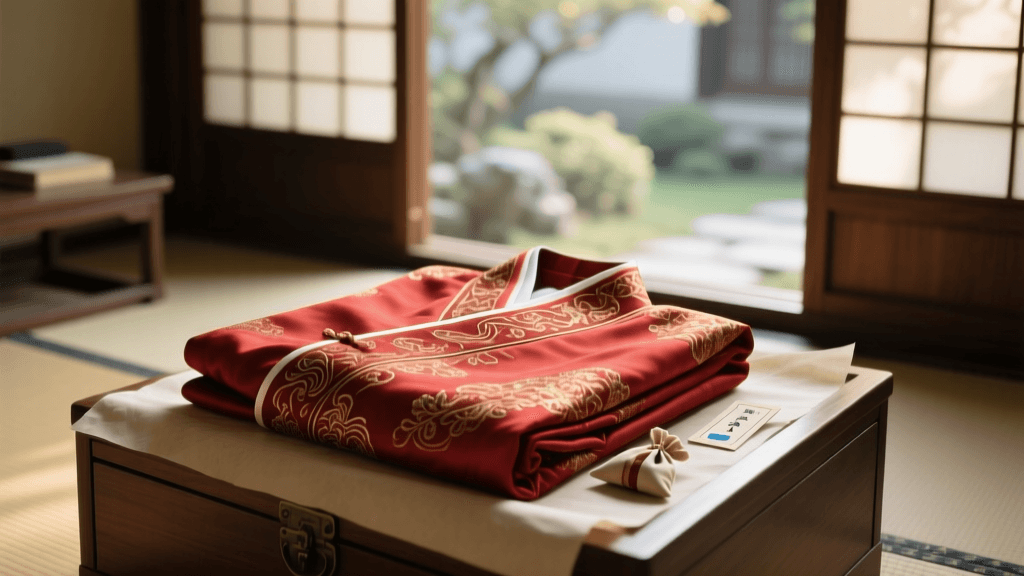
Folding is the safest method for heavy skirts and structured jackets, as it prevents gravitational stress on the seams. The golden rule of archival folding is to avoid sharp, hard creases along the warp and weft of the fabric, as repeated folding on the same line will eventually cause the silk to shatter. Use unbuffered, acid-free tissue paper (pH 7.0 to 8.5) to cushion every fold. Crumple the tissue paper slightly before placing it inside the sleeves, bodice, and skirt pleats to provide soft, rounded support. Wrap the entire garment in a final layer of tissue or unbleached cotton muslin before placing it in an archival storage box.
When to Use Suspension Hanging
Lightweight outerwear, such as the Song dynasty Beizi or long silk cloaks, are best stored on hangers to maintain their drape and prevent permanent creasing. Never use wire or bare wooden hangers, as wood emits acidic vapors that will stain and degrade silk. Instead, use wide, contoured hangers wrapped in layers of unbleached cotton batting and covered with a washed muslin slip. Protect the suspended garment with a breathable, unbleached cotton garment bag. Avoid plastic dry-cleaning bags entirely, as they trap moisture and emit volatile organic compounds (VOCs) that accelerate textile decay.
Micro-Climate Control and Pest Management
Modern Dehumidification Solutions
Maintaining a stable relative humidity (RH) between 45% and 55% is critical. In 2026, smart home integration makes this easier than ever. Utilize Wi-Fi-enabled smart hygrometers to monitor the micro-climate inside your wardrobe or storage room. If humidity spikes above 60%, the risk of mold germination increases exponentially. For enclosed wardrobe spaces, renewable silica gel dehumidifier cassettes are highly effective. For larger walk-in closets, a dedicated, energy-efficient desiccant dehumidifier set to maintain 50% RH will protect your entire collection during humid summer months.
Natural Pest Deterrents
Carpet beetles and clothes moths are the natural predators of silk and wool. Avoid traditional naphthalene mothballs, which are highly toxic, leave a pervasive odor, and can actually cause chemical reactions that yellow light-colored silks. Instead, rely on natural deterrents like untreated cedarwood blocks and dried lavender sachets. Place these sachets in the corners of your storage boxes or hang them in the wardrobe, but ensure they never come into direct contact with the fabric, as the essential oils can cause lipid stains on delicate silk gauze.
Adhering to Museum Conservation Standards
For collectors with investment-grade, antique, or highly intricate replica Hanfu, adopting institutional conservation standards is highly recommended. The Canadian Conservation Institute advises that textiles should be stored in the dark, as light damage is cumulative and irreversible. If your storage area has windows, apply UV-blocking window films to eliminate ultraviolet radiation.
Furthermore, if you suspect a garment has been exposed to pests, the recommended museum protocol is isolation and freezing. Seal the affected Hanfu in a polyethylene bag, remove as much air as possible, and place it in a deep freezer at -20°C (-4°F) for at least 72 hours. This process safely eradicates all life stages of textile pests without the use of harmful chemicals. After freezing, allow the bag to return to room temperature slowly before opening it to prevent condensation from forming on the cold silk fibers.
Conclusion
Preserving a Hanfu collection in 2026 requires a blend of traditional respect for the garments and modern conservation science. By implementing a strict seasonal rotation schedule, utilizing archival-quality storage materials, and maintaining a stable micro-climate, you ensure that these beautiful expressions of Asian heritage remain vibrant and intact. Treat your Hanfu not merely as clothing, but as historical artifacts worthy of the highest standard of care.