Kyoto Kimono Apprenticeships vs Modern Schools in 2026
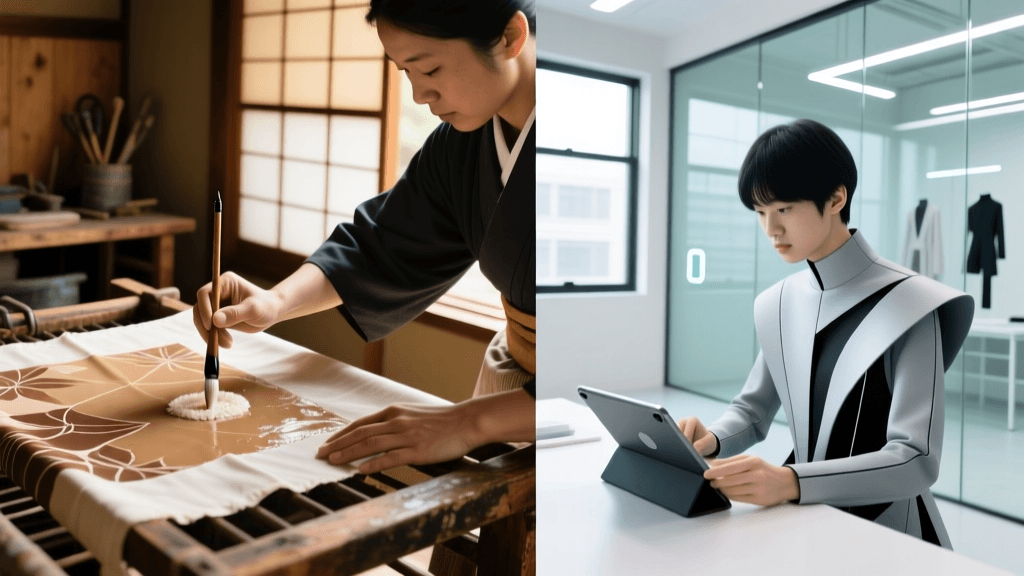
The Crossroads of Japanese Garment Education in 2026
The landscape of Japanese fashion education in 2026 presents a fascinating dichotomy for aspiring designers and textile artisans. On one hand, the ancient deshi (apprenticeship) system in Kyoto continues to produce master craftspeople capable of hand-painting exquisite Yuzen silk and weaving intricate Nishijin brocades. On the other hand, modern academic institutions like Tokyo's Bunka Fashion College are merging centuries-old textile theory with cutting-edge 3D digital design and sustainable engineering. For international and domestic students alike, choosing between these two distinct pathways requires a deep understanding of costs, time commitments, cultural nuances, and long-term career outcomes. This comprehensive guide breaks down the realities of Japanese fashion education and traditional garment apprenticeships in 2026, helping you decide which route aligns with your sartorial ambitions.
The Traditional Path: Kyoto Yuzen Dyeing Apprenticeships
The traditional apprenticeship model, deeply rooted in the Edo period, remains the absolute gold standard for mastering specialized, intangible cultural techniques like Kyo-Yuzen silk painting, Shibori tie-dyeing, and hand-loom weaving. In 2026, the Japanese government, through the Ministry of Economy, Trade and Industry (METI), has heavily subsidized these apprenticeships to combat the severe shortage of aging master artisans. According to the official METI Traditional Crafts portal, new initiatives introduced this year provide monthly living stipends to accepted deshi, easing the historical financial burden of what was once largely unpaid or underpaid labor.
The Reality of the Deshi System
An apprenticeship in a Kyoto atelier is an immersive, all-consuming lifestyle rather than a simple educational program. The first year is notoriously grueling, often referred to as shugyo (austere training). Apprentices spend months preparing tools, mixing natural dyes, washing brushes in the cold waters of the Kamo River, and maintaining the studio before they are permitted to touch premium Tango chirimen silk. The master-apprentice relationship relies heavily on ishi-dentetsu (learning by watching and stealing the technique), rather than formalized lectures. There are no syllabi or graded exams; progress is measured entirely by the master's approval of your physical output. By year three, apprentices begin executing foundational patterns using yuzen-nori resist paste, and by year five, they may be entrusted with custom bridal kimono commissions.
Financial Realities and 2026 Government Subsidies
Historically, the financial barrier to entering a Kyoto atelier was immense, as apprentices were expected to survive on meager allowances while dedicating 80-hour weeks to the craft. However, the 2026 METI Craft Preservation Grant has shifted this dynamic. Accepted apprentices now receive a baseline stipend of 180,000 JPY per month, which covers modest living expenses in Kyoto's suburban wards. While this is not a path to immediate wealth, it allows dedicated artisans to focus entirely on their sensory education—mastering the exact tension of silk stretching and the precise humidity required for natural indigo fermentation—without the distraction of secondary employment.
The Modern Academic Path: Bunka Fashion College and Tokyo Institutions
Conversely, Tokyo’s fashion schools offer a structured, fast-paced, and globally recognized academic environment. Bunka Fashion College, consistently ranked among the top fashion schools worldwide, has updated its 2026 curriculum to address the modern luxury market's demand for hybrid designers who understand both heritage and innovation. Students in the Fashion Craft and Textile departments study traditional Japanese garment construction—such as the zero-waste, straight-line cutting method of the kimono—alongside advanced CAD software, CLO 3D digital draping, and sustainable textile engineering.
Curriculum Highlights for 2026
The modern fashion school experience is highly collaborative and technologically integrated. Key modules in the 2026 academic year include:
- Heritage Geometry: Deconstructing the mathematical precision of traditional kimono pattern making and applying it to modern modular streetwear.
- Digital Textile Simulation: Using advanced software to simulate the drape and weight of heavy silk brocades before cutting physical fabric, reducing material waste by up to 40%.
- Global Supply Chain Ethics: Sourcing sustainable alternatives to traditional animal-based dyes and synthetic resist pastes while maintaining historical color accuracy.
- Industry Collaboration: Participating in joint projects with major European luxury houses looking to integrate Japanese artisanal techniques into their upcoming resort collections.
The financial commitment for Bunka Fashion College in 2026 is substantial but transparent. International students enrolling in the two-year advanced diploma program can expect tuition and facility fees to total approximately 2.4 million JPY (roughly $16,500 USD, depending on current exchange rates). Unlike the isolated nature of a Kyoto atelier, Bunka offers robust career placement services, industry networking events during Tokyo Fashion Week, and direct pipelines into global corporate design roles. For comprehensive admission requirements, portfolio guidelines, and international dormitory applications, prospective students should consult the Bunka Fashion College official English portal.
Head-to-Head Comparison: Apprenticeship vs. Fashion School
To help visualize the stark differences between these two educational paradigms, we have compiled a direct comparison based on 2026 data, industry standards, and student outcomes.
| Feature | Kyoto Deshi (Apprenticeship) | Bunka Fashion College (Tokyo) |
|---|---|---|
| Duration | 3 to 7 years (until master grants independence) | 2 to 4 years (structured degree/diploma) |
| Primary Focus | Mastery of one specific intangible craft (e.g., Yuzen dyeing) | Broad design theory, digital tools, and global fashion business |
| Learning Style | Observation, repetition, ishi-dentetsu (stealing the art) | Lectures, studio critiques, digital labs, and group projects |
| 2026 Cost/Funding | Subsidized via METI grants (approx. 180k JPY/month stipend) | Out-of-pocket tuition (approx. 1.2M JPY/year) plus living costs |
| Career Outcome | Independent artisan, atelier owner, or designated Living National Treasure track | Corporate fashion designer, brand founder, or digital textile engineer |
| Language Requirement | JLPT N1 or native fluency (highly nuanced dialects and terminology) | JLPT N2 for standard tracks; English-track foundations available |
Navigating Visas and International Access in 2026
For international students, Japan's immigration framework has adapted significantly to the urgent need for craft preservation. The 2026 expansion of the Specified Skilled Worker (Tokutei Ginou) visa now includes specific, fast-tracked categories for traditional textile manufacturing, dyeing, and weaving. This means that foreign nationals who complete a recognized three-year apprenticeship in Kyoto can more easily transition to long-term working visas than in previous decades. However, language remains a formidable barrier. While Tokyo fashion schools offer English-track foundation courses, advanced technical classes and Kyoto apprenticeships strictly require a minimum of JLPT N2 proficiency—and often N1—to understand nuanced instructions regarding dye chemistry, silk tension, and historical aesthetics. Immersion in the local culture and daily conversational Japanese is just as critical as the technical skills themselves.
Actionable Steps for Aspiring Artisans
Whether you are drawn to the quiet, incense-filled ateliers of Kyoto or the neon-lit, high-tech design labs of Tokyo, preparation is key. Follow these actionable steps to begin your journey in 2026:
- Build a Hybrid Portfolio: Even if applying for a traditional apprenticeship, masters want to see your foundational understanding of form, color theory, and dedication. Include high-resolution photographs of your physical hand-stitching, natural dyeing experiments, and detailed sketches of traditional garment silhouettes.
- Secure Language Certification Early: Do not wait until you arrive in Japan to study the language. Enroll in intensive Japanese courses in your home country and aim to pass the JLPT N2 at least six months before your intended application date.
- Visit the Kyoto Traditional Industries Fureaikan: If you are currently in Japan, spend time at the Fureaikan museum and workshop center in Kyoto. It is the premier networking hub for aspiring apprentices to meet active masters, observe live demonstrations, and inquire about open deshi positions for the upcoming season.
- Explore METI Grant Eligibility: International applicants must verify their visa status eligibility for the 2026 METI Craft Preservation Grants. Consult with the local municipal office or an immigration lawyer specializing in Japanese cultural visas to ensure your paperwork aligns with the new stipend requirements.
'The kimono is not merely a garment; it is a canvas of Japanese philosophy, demanding that the maker understand the flow of water, the weight of the earth, and the patience of the seasons. Whether you learn this through a university lecture or by sweeping the floors of a master's studio, the silk ultimately demands your absolute reverence.' — Master Artisan Yuzen Dyer, Kyoto, 2026.
Ultimately, the choice between a Kyoto apprenticeship and a Tokyo fashion school depends on your ultimate vision. If your goal is to become a globally recognized fashion director blending Japanese motifs with Western silhouettes, the academic and technological resources of Bunka Fashion College are unparalleled. However, if your soul calls you to preserve the exact, meticulous hand-painted brushstrokes of the Edo period and dedicate your life to the sensory mastery of silk, the Kyoto deshi path remains the most profoundly rewarding journey in the world of Asian traditional garments.