Decoding Kimono Patterns in Ukiyo-e Woodblock Prints
The Intersection of Fashion and Woodblock Art
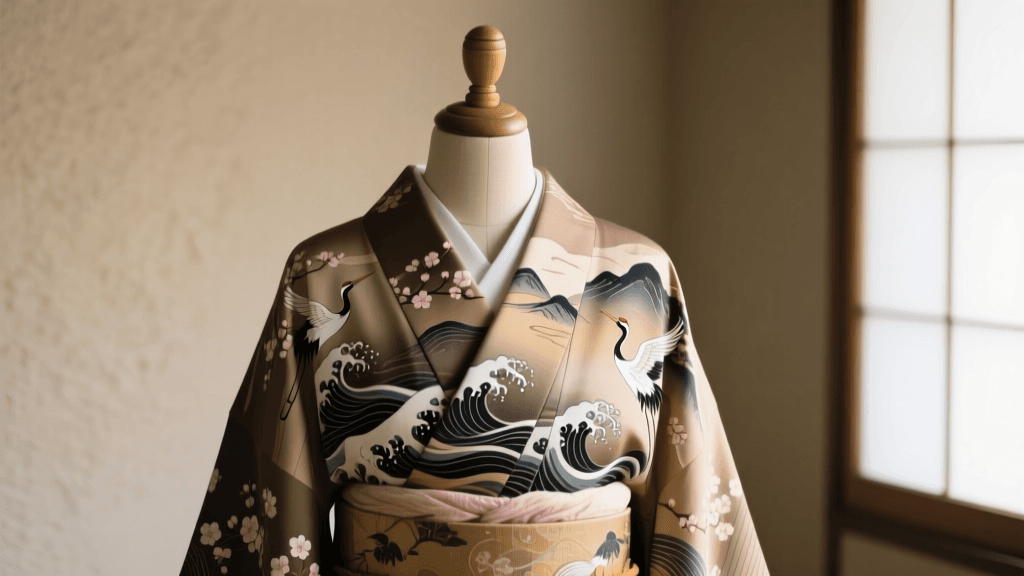
When global audiences think of ukiyo-e, the immediate images that spring to mind are often Hokusai’s towering waves or Hiroshige’s sweeping landscapes. However, the literal translation of ukiyo-e is 'pictures of the floating world,' and during the Edo period (1603–1867), the 'floating world' was intrinsically linked to the pleasure quarters, kabuki theaters, and the relentless pursuit of fashion. The kimono was not merely clothing; it was the ultimate canvas for personal expression, social signaling, and artistic innovation. For modern enthusiasts, collectors, and wearers of traditional Japanese garments, understanding how kimono patterns were depicted in woodblock prints offers a masterclass in historical styling, textile symbolism, and the subtle rebellion of Edo-period aesthetics.
According to insights from the Victoria and Albert Museum's landmark exhibition on the Kimono, the evolution of the garment from the simple kosode of the Muromachi period to the highly structured, heavily patterned kimono of the Genroku era was heavily documented and propelled by woodblock artists. These prints served as the fashion magazines of their day, dictating trends from Edo (Tokyo) to Kyoto.
Reading the Canvas: Social Status Through Kimono Layers
To decode an ukiyo-e print, one must first understand the rigid social hierarchy of the Edo period and the sumptuary laws enacted by the Tokugawa shogunate. Merchants (chonin) held the lowest social rank despite possessing immense wealth. Forbidden from wearing ostentatious silks or bright colors in public, they developed the aesthetic concept of iki—a subdued, hidden elegance.
'The floating world was not merely a place of transit, but a theater of sartorial rebellion, where the cut of a sleeve and the hidden lining of a hem spoke louder than the edicts of the shogun.'
In ukiyo-e portraits of wealthy merchants and high-ranking courtesans (oiran), artists like Kitagawa Utamaro masterfully depicted this rebellion. Look closely at the hems and the inner layers (juban and hakkake) of the garments in these prints. While the outer kimono might appear as a muted, dark indigo or charcoal grey (often woven in a subtle lattice or komon pattern), the inner linings are frequently painted in vibrant crimsons, golds, and intricate tie-dye (shibori) motifs. This layering technique allowed the wearer to flash a glimpse of forbidden luxury with every step, a styling cue that remains highly relevant in formal modern kimono wearing.
Table: Common Ukiyo-e Kimono Motifs and Their Meanings
Woodblock artists did not paint patterns at random; every motif carried specific seasonal, poetic, or auspicious meanings. Below is a guide to identifying these patterns in historical prints and applying them to modern garment choices.
| Motif Category | Specific Pattern | Symbolic Meaning | Target Demographic in Ukiyo-e |
|---|---|---|---|
| Floral | Peony (Botan) | Wealth, prosperity, bravery | High-ranking courtesans, wealthy merchants |
| Floral | Chrysanthemum (Kiku) | Longevity, rejuvenation, nobility | Samurai class, autumn season wearers |
| Botanical | Pine, Bamboo, Plum (Shochikubai) | Resilience, endurance, auspicious beginnings | New Year celebrations, bridal trousseaus |
| Nature | Water/Stream (Kawa) | Purity, the flow of time, cooling effect | Summer wear, kabuki actors on stage |
| Geometric | Asanoha (Hemp Leaf) | Healthy growth, warding off evil | Children's garments, young unmarried women |
Practical Guide: Dating Prints by Garment Evolution
For collectors and art historians, the way a kimono is depicted is one of the most reliable methods for dating an ukiyo-e print, especially when censorship seals are damaged or missing. Here is how to read the structural evolution of the garment:
- The Keicho/Kanbun Eras (Early 17th Century): Prints and surviving garments from this era feature the 'Kanbun kosode' style. The obi was a thin, narrow cord tied at the front. Because the sash did not disrupt the visual field, artists depicted massive, asymmetrical, sweeping patterns that stretched diagonally across the entire back and shoulders of the garment.
- The Genroku Era (Late 17th to Early 18th Century): As the obi widened into a brocade sash and moved to the back, it visually bisected the kimono. Ukiyo-e artists adapted by designing distinct, complementary patterns for the upper body (shoulders and sleeves) and the lower body (hem), often separated by negative space.
- The Late Edo Period (19th Century): The obi became exceptionally wide, and the outer kimono patterns became more repetitive and smaller in scale (komon or yuzen dyeing). Artists began to focus heavily on the intricate patterns of the inner collars (haneri) and the visible under-kimono layers.
Actionable Advice: Collecting and Preserving Ukiyo-e
Acquiring authentic Edo-period woodblock prints requires an understanding of historical textile pigments, which directly impacts the garment's appearance in the art today. When evaluating a print featuring kimono patterns, consider the following actionable metrics:
1. Identifying Fugitive Pigments
Early ukiyo-e relied on organic dyes that mirrored the actual dyes used in kimono textiles. The vibrant red (beni) was derived from safflower, and the delicate blue (aigami) from dayflower. Both are highly fugitive. If you are examining a print where the red kimono patterns have faded to a dull mustard or brown, or where the blue stream motifs have vanished entirely, you are likely looking at an early, authentic impression. Conversely, if the blue is stark and unfading, it may be a later Meiji-era reprint utilizing synthetic aniline dyes or imported Prussian blue.
2. Standard Measurements and Formats
When purchasing or framing, verify the size. The standard oban format, popularized in the late 18th century for actor and beauty portraits, measures approximately 39 cm by 26 cm (15.3 x 10.2 inches). Prints trimmed significantly smaller than this have likely been cut down to remove damaged edges, reducing their collector value by up to 40%.
3. Cost Expectations
Original Edo-period prints in good condition range from $500 to $5,000+, with masterworks by Utamaro or Sharaku fetching tens of thousands. For those seeking the aesthetic without the archival burden, museum-quality reproductions from institutions like the Adachi Institute of Woodblock Prints cost between $100 and $800 and offer exact color matching using traditional pigments.
Translating Ukiyo-e Aesthetics to Modern Kimono Wearing
You do not need to be an art collector to benefit from ukiyo-e research; modern kimono wearers can directly apply these historical styling techniques to elevate their personal kitsuke (dressing). To recreate the sophisticated iki aesthetic seen in merchant-class prints, pair a subdued, dark tsumugi (pongee silk) kimono with a vibrant, patterned haori lining or a contrasting silk haneri (collar cover). This mimics the Edo-period practice of hiding luxury beneath a modest exterior.
Furthermore, pay attention to seasonal motif placement. Just as ukiyo-e artists painted cherry blossoms on the shoulders and hem (representing falling petals) but never across the waist (which would imply the wearer was cutting the tree in half), modern wearers should respect the 'flow' of their kimono patterns. Ensure that continuous motifs, like streams or bamboo groves, wrap logically around the body and align at the side seams.
Where to View Authentic Ukiyo-e Garment Art
To study the intricate textile patterns of the floating world firsthand, digital and physical archives are invaluable. The Metropolitan Museum of Art's Asian Art collection offers high-resolution digital access to thousands of ukiyo-e prints, allowing you to zoom in on the micro-patterns of the garments depicted. Additionally, the British Museum's extensive ukiyo-e archives provide excellent contextual essays on the intersection of Japanese textile arts and printmaking. By studying these primary sources, you bridge the gap between historical artifact and living tradition, ensuring the sartorial poetry of the Edo period continues to inform and inspire modern Asian fashion.