The Ultimate Hanfu & Qipao Care Guide: Washing Silk & Brocade
The Delicate Nature of Traditional Asian Textiles
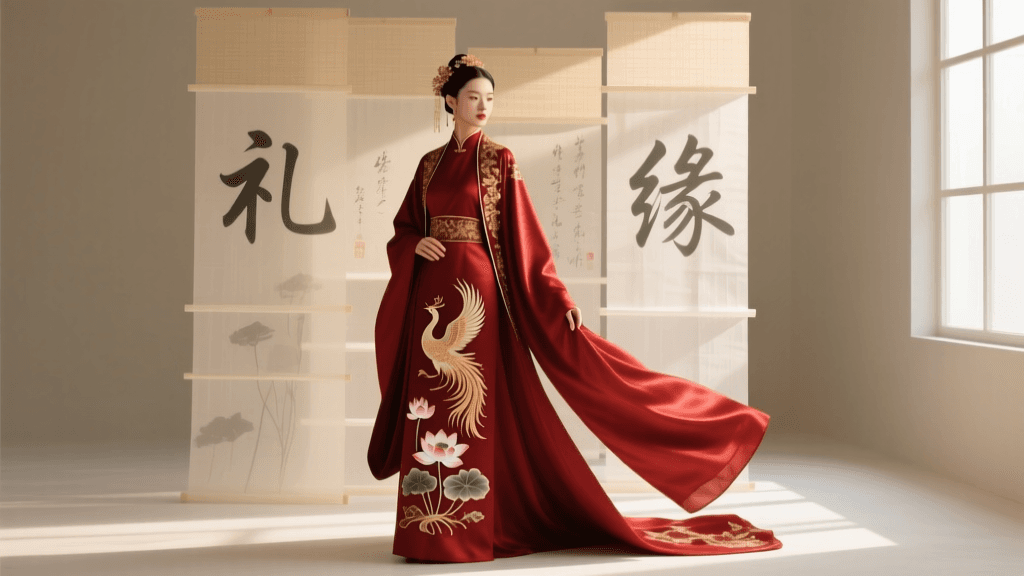
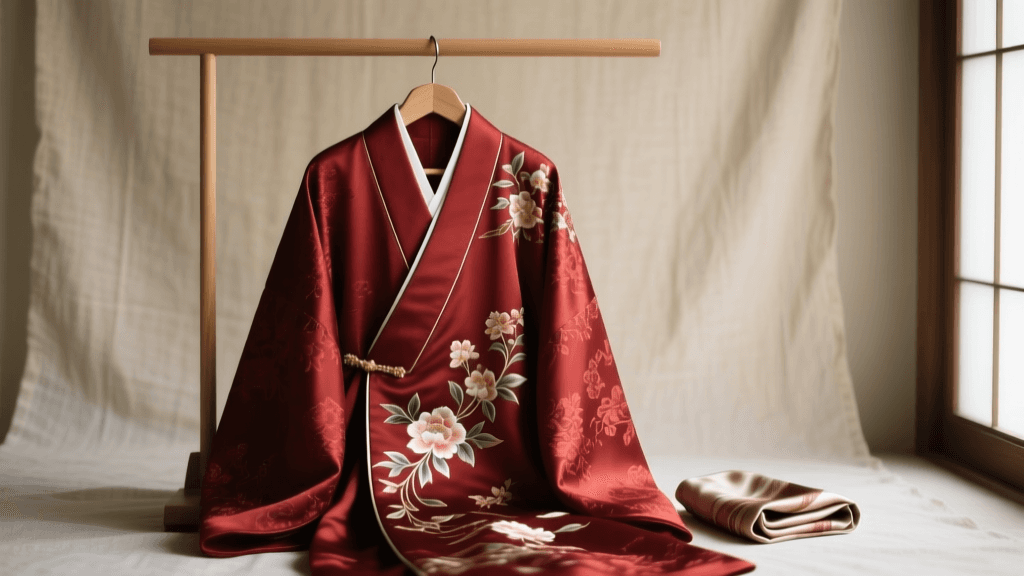
The global resurgence of traditional Chinese clothing, from the flowing silhouettes of Ming dynasty mamianqun (horse-face skirts) to the tailored elegance of the Republican-era qipao, has brought exquisite textiles back into everyday wardrobes. However, investing in high-quality hanfu and qipao means taking on the responsibility of caring for delicate, historically significant fabrics. Unlike modern synthetic blends, traditional materials like mulberry silk, Song brocade (Songjin), and ramie require highly specific care protocols to maintain their structural integrity, vibrant dyes, and lustrous finishes.
Silk is a natural protein fiber produced by the Bombyx mori silkworm. Because it is a protein, it is highly sensitive to alkaline substances, excessive heat, and ultraviolet light. Brocade, on the other hand, often incorporates metallic threads, complex jacquard weaves, and supplementary weft patterns that can easily snag, warp, or tarnish if subjected to aggressive mechanical washing. According to the Smithsonian Museum Conservation Institute, improper cleaning and storage are the leading causes of irreversible damage to historical and delicate textiles. This comprehensive guide will walk you through the exact measurements, products, and techniques needed to preserve your traditional garments for generations.
Understanding Your Fabrics: Silk, Brocade, and Ramie
Before introducing water or detergents to your garments, it is crucial to identify the fiber content. Traditional Asian garments generally fall into three categories:
- Mulberry Silk (Sangcan Si): The most common and luxurious fiber used in hanfu and qipao. It is smooth, highly absorbent, and prone to water-spotting and UV degradation.
- Brocade (Zhi Jin): Including Yun brocade and Shu brocade. These are heavy, intricately woven fabrics often featuring gold or silver foil threads. The metallic elements are highly susceptible to oxidation and friction.
- Ramie and Linen (Ma): Plant-based cellulose fibers used in summer hanfu. These are much more durable, can withstand higher temperatures, and actually become softer with repeated washing.
Step-by-Step Washing Guide for Silk Hanfu and Qipao
While many modern care labels suggest 'Dry Clean Only,' professional textile conservators often note that gentle hand-washing is actually safer for silk than the harsh chemical solvents (like perchloroethylene) used in commercial dry cleaning, which can strip the silk's natural sericin coating over time. However, garments with metallic brocade threads, structured qipao with heavy interfacing, or hand-painted motifs must always be professionally dry cleaned.
1. Preparation and Colorfastness Testing
Always test for color bleeding before fully submerging a garment. Dampen a cotton swab with cool water and press it against an inconspicuous seam allowance. If dye transfers to the swab, the garment must be dry cleaned. For colorfast garments, turn the hanfu or qipao inside out to protect the outer weave from friction.
2. Selecting the Right Detergent and Water Temperature
Silk requires a pH-neutral or slightly acidic detergent. Standard laundry detergents are highly alkaline (pH 9-11) and will dissolve silk fibers over time, causing them to become brittle and yellow. Use a specialized delicate wash such as Eucalan, The Laundress Delicate Wash, or a mild baby shampoo. The water temperature must never exceed 30°C (86°F). Hot water opens the fiber cuticles, leading to severe shrinkage and dye loss.
3. The 'Press and Soak' Technique
Never rub, twist, or wring silk. Submerge the garment in the detergent solution and gently press the water through the fabric with your hands. Allow it to soak for no more than 3 to 5 minutes. Prolonged soaking can cause dyes to migrate. Rinse thoroughly in cool water until the water runs completely clear. To restore the silk's natural luster and remove any residual alkalinity, add one tablespoon of distilled white vinegar to the final rinse water.
Drying and Ironing: Preventing Heat and UV Damage
The drying process is where many traditional garments suffer irreversible damage. Photo-oxidation from direct sunlight will permanently yellow white silk and fade vibrant reds and blues. Furthermore, the weight of wet silk can cause the garment to stretch out of shape if hung on a standard hanger.
The Towel Roll Method
Lay a clean, dry, colorfast cotton towel flat on a surface. Place the wet hanfu or qipao flat on top of the towel. Roll the towel and the garment together into a tight cylinder, pressing gently to allow the towel to absorb the excess moisture. Unroll and transfer the damp garment to a padded hanger or a flat mesh drying rack in a well-ventilated room away from direct sunlight and heat sources.
Ironing Protocols
Silk should be ironed while it is still slightly damp. Set your iron to the lowest heat setting (usually marked 'Silk' or 110°C / 230°F). Never apply the iron directly to the fabric. Always use a clean, white cotton pressing cloth between the iron and the garment. Crucially, use distilled water in your iron's steam function; tap water contains minerals that can leave permanent white calcium deposits on dark silk. For heavily embroidered areas or brocade, iron from the reverse side over a thick, plush towel to prevent crushing the three-dimensional embroidery threads.
Archival Storage Solutions for Heirloom Garments
Proper storage is essential for preventing pest damage, mold, and fiber degradation. The Victoria and Albert Museum recommends strict environmental controls for textile preservation, principles that can be adapted for home storage.
- Humidity Control: Maintain a relative humidity (RH) between 45% and 55%. Environments above 65% RH invite mold and silverfish, while environments below 40% cause silk fibers to desiccate and shatter.
- Acid-Free Tissue Paper: When folding a qipao or mamianqun for long-term storage, pad the folds with unbuffered acid-free tissue paper. Buffered tissue (which contains an alkaline reserve) is suitable for cotton and ramie but can damage protein fibers like silk over time.
- Pest Deterrents: Avoid traditional mothballs, which contain toxic naphthalene that leaves a persistent odor and can melt synthetic trims. Instead, use aromatic cedar blocks or dried lavender sachets. Ensure these natural deterrents do not touch the silk directly, as their essential oils can cause lipid stains.
- Hangers: Never use wire or thin plastic hangers. Heavy hanfu jackets and structured qipao should be stored on wide, padded wooden hangers to support the shoulder seams and prevent stretching.
Fabric Care Comparison Chart
Use the following structured guide to quickly reference the specific care requirements for the most common traditional Asian textiles.
| Fabric Type | Washing Method | Ironing Temperature | Storage Requirement |
|---|---|---|---|
| Mulberry Silk | Hand wash (cool, pH-neutral) | Low (110°C) with pressing cloth | Padded hanger, unbuffered tissue |
| Song / Yun Brocade | Professional Dry Clean Only | Low (reverse side, plush towel) | Flat storage, cedar blocks |
| Ramie / Linen | Machine wash (gentle, warm) | High (200°C) while damp | Folded, buffered tissue acceptable |
| Cotton Blends | Machine wash (cool, mild detergent) | Medium (150°C) | Padded hanger or folded |
Dealing with Stains and Mishaps
Accidents happen, but rapid, incorrect responses can set a stain permanently. For oil-based stains (such as makeup or food grease) on silk, do not use water. Instead, immediately cover the spot with a generous mound of cornstarch or talc-free baby powder. Let it sit for 12 to 24 hours to absorb the lipid, then gently brush it away with a soft makeup brush. For water spots, which occur when minerals in the water dry on the fabric, lightly steam the entire garment or wash it entirely to re-distribute the moisture evenly.
'The key to textile conservation is preventive care. Minimizing exposure to light, dust, and fluctuating environments will preserve a garment far better than any restorative cleaning process.'
— Adapted from guidelines by the Canadian Conservation Institute
Conclusion
Caring for hanfu and qipao is an act of cultural preservation. By understanding the biological and chemical nature of traditional fabrics like silk and brocade, you can avoid the common pitfalls of modern laundry routines. Investing in pH-neutral detergents, utilizing the towel-roll drying method, and committing to archival storage practices will ensure that your traditional Asian garments remain as vibrant, structured, and beautiful as the day they were first tailored. Treat your garments with the respect their history demands, and they will serve as enduring heirlooms for years to come.