Hanfu Secondhand Market & Vintage Collecting Guide 2026
The Evolution of the Hanfu Secondhand Market in 2026
The Hanfu movement has undergone a radical transformation over the last two decades. What began in the early 2000s as a niche internet forum hobby dedicated to reconstructing pre-Qing dynasty Han Chinese clothing has blossomed into a mainstream global fashion phenomenon. By 2026, the primary market is saturated with both high-end artisanal workshops and ultra-fast-fashion conglomerates producing millions of garments annually. Consequently, the Hanfu secondhand market has emerged as a vital ecosystem for collectors, sustainability advocates, and enthusiasts seeking rare, discontinued, or historically significant garments. Navigating this secondary market requires a keen eye for textile quality, an understanding of historical construction techniques, and familiarity with modern digital resale platforms.
Defining 'Vintage' in the Hanfu Revival
In Western fashion, 'vintage' typically refers to garments that are at least 20 years old. However, the timeline for collectible Hanfu operates on a compressed, highly specific chronology tied to the modern revival movement. In 2026, the vintage Hanfu market is distinctly categorized into three tiers: Early Revival (2004–2012), Mid-Revival Custom (2013–2018), and True Antiques (pre-1912).
Early Revival pieces are highly sought after by movement historians and textile archivists. These garments, often handmade by pioneering enthusiasts who relied on archaeological sketches and museum archives before commercial patterns existed, feature unique, sometimes experimental, flat-cutting (pingmian) techniques. Mid-Revival pieces represent the golden era of independent Taobao artisans who utilized premium natural fibers like xiangyunsha (gambiered Canton gauze) and genuine silk brocades before mass-market polyester blends dominated the industry. Collectors prize these mid-2010s pieces for their uncompromising dedication to historical accuracy and superior natural dyes.
2026 Hanfu Secondhand Valuation Matrix
Understanding the financial landscape of the secondary market is crucial for both buyers and sellers. The following table outlines the average resale values and collector demand for various Hanfu categories in 2026.
| Garment Era/Category | Defining Characteristics | 2026 Avg. Resale Value (USD) | Collector Demand |
|---|---|---|---|
| Early Revival (2004-2012) | Experimental cuts, handmade, forum-documented, natural fibers | $300 - $800+ | Highest (Museum/Archive level) |
| Mid-Revival Artisan (2013-2018) | Independent studios, premium silks, accurate historical patterns | $150 - $400 | High (Enthusiast wear) |
| Mass-Market Modern (2019-2025) | Polyester blends, factory-made, fused interlining, zippers | $20 - $60 | Low (Budget/Beginner) |
| True Antique (Qing/Republic) | Historical Han women's wear, fragile silks, intricate embroidery | $500 - $5,000+ | Specialized (Textile collectors) |
Authentication: Spotting Early Revival vs. Modern Fast Fashion
As the value of early revival Hanfu has skyrocketed, the market has seen an influx of artificially distressed modern replicas marketed as 'vintage.' Authenticating these pieces requires a close examination of the garment's internal structure. Traditional and high-end revival Hanfu utilize laifeng (flat-felled seams) or meticulous hidden stitching, ensuring the inside of the garment is as clean and finished as the outside. Fast-fashion Hanfu, conversely, often uses overlocked (serged) edges to save time and money.
Next, examine the interlining and hardware. Early and artisan pieces use silk, cotton, or traditional paste-stiffening to maintain the structure of collars and cuffs. Modern cheap versions use synthetic fusible interfacing that tends to bubble or stiffen unnaturally after a few wash cycles. Furthermore, authentic traditional garments rely entirely on woven ties (jiandai) and hidden fabric buttons. The presence of modern metal zippers, plastic snaps, or elastic waistbands immediately dates a piece to the commercialized late-2010s or later, drastically reducing its collector value.
Sourcing Antiques and Navigating Xianyu in 2026
Xianyu (Idle Fish) remains the undisputed titan of the Chinese secondhand market in 2026, boasting advanced AI image-search capabilities and integrated authentication services for high-value textiles. For international collectors, utilizing proxy services with built-in image search and real-time AI translation is essential. When searching Xianyu, use specific Chinese terminology: search for '早年汉服' (early years Hanfu) or '绝版汉服' (out-of-print/discontinued Hanfu) rather than just '二手汉服' (secondhand Hanfu) to filter out modern mass-market dumps.
For true antiques, such as late Qing dynasty Han women's aoqun (jacket and skirt sets) or Republic-era transitional garments, specialized auction houses and curated vintage textile dealers on global platforms are safer, albeit more expensive, avenues. The Victoria and Albert Museum's Asian collections serve as an excellent digital reference point for verifying the embroidery motifs, weave structures, and color palettes of genuine 19th-century pieces before making a high-stakes purchase.
International Shipping and Proxy Agent Protocols
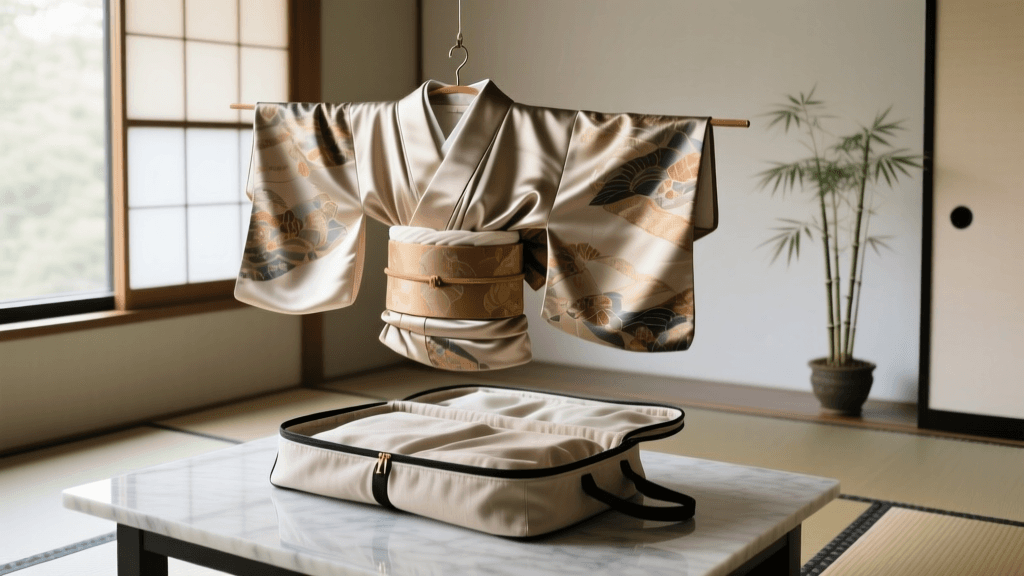
When purchasing fragile vintage Hanfu through proxy agents like Superbuy or CSSBuy, standard shipping protocols are insufficient. Vintage silks and aged embroidery threads are highly susceptible to friction, moisture, and temperature fluctuations during international transit. In 2026, top-tier proxy agents offer specialized 'Textile Conservation Packaging' add-ons. Always request that the garment be wrapped in acid-free tissue paper before being placed in a waterproof, vacuum-sealed barrier bag. Avoid standard bubble wrap directly against the fabric, as the plastic can trap humidity and cause mold growth on natural protein fibers. Opt for insured, climate-controlled shipping routes whenever possible, especially when importing xiangyunsha silks, which can crack if subjected to extreme cold and dry cabin pressures.
Preservation and Storage for Secondhand Silks
Caring for secondhand and antique silk requires strict adherence to museum-grade conservation standards. The Metropolitan Museum of Art's conservation guidelines emphasize that historical silks are highly susceptible to light damage, humidity fluctuations, and acidic environments. Never store vintage Hanfu in plastic dry-cleaning bags, which trap moisture and emit harmful off-gassing chemicals that degrade fibers over time.
Instead, wrap the garments in unbleached, acid-free muslin or archival tissue paper. Store them flat in cedar chests or acid-free textile boxes; hanging heavy, multi-layered Ming or Song dynasty replica skirts can cause irreversible stress and tearing at the waistband. If a secondhand xiangyunsha silk piece arrives with the distinct earthy scent of the river mud and gambier dyeing process, air it out in a shaded, well-ventilated room. Never expose it to direct sunlight, which will rapidly fade the natural dyes and degrade the protein structure of the silk.
Restoration Ethics: Conservation vs. Alteration
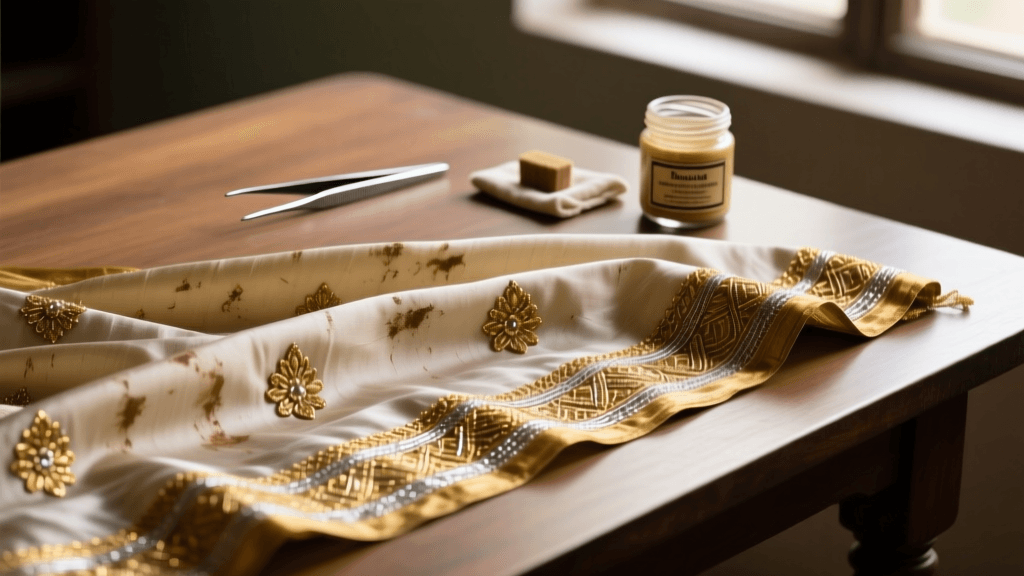
When acquiring damaged antique Hanfu or early revival pieces with minor tears, collectors must navigate the ethical divide between restoration and conservation. In the textile collecting community, the prevailing ethos in 2026 is 'conservation over restoration.' This means stabilizing the garment to prevent further degradation—such as placing a supportive archival mesh behind a fraying embroidered cuff—without attempting to recreate missing elements or dye over faded areas. Altering the historical integrity of a piece by replacing original ties with modern ribbons or re-dyeing sun-faded silk drastically diminishes its historical and monetary value.
The Circular Economy of Traditional Dress
The rise of the Hanfu secondhand market aligns perfectly with global sustainability goals and the growing demand for ethical fashion. As highlighted by the Ellen MacArthur Foundation's research on circular fashion, extending the life of a garment by just nine months reduces its carbon, water, and waste footprints by approximately 20-30%. In 2026, buying pre-owned Hanfu is not merely a cost-saving measure or a niche collector's pursuit; it is an active participation in the circular economy. By recirculating these garments, enthusiasts preserve the immense water, agricultural, and artisanal labor resources required to produce traditional jacquard brocades and natural-dyed silks, ensuring the Hanfu movement remains as culturally respectful as it is environmentally conscious.