Restoring Banarasi Silk Sari Zari Tarnish Guide 2026
The Legacy and Challenge of Banarasi Silk Saris
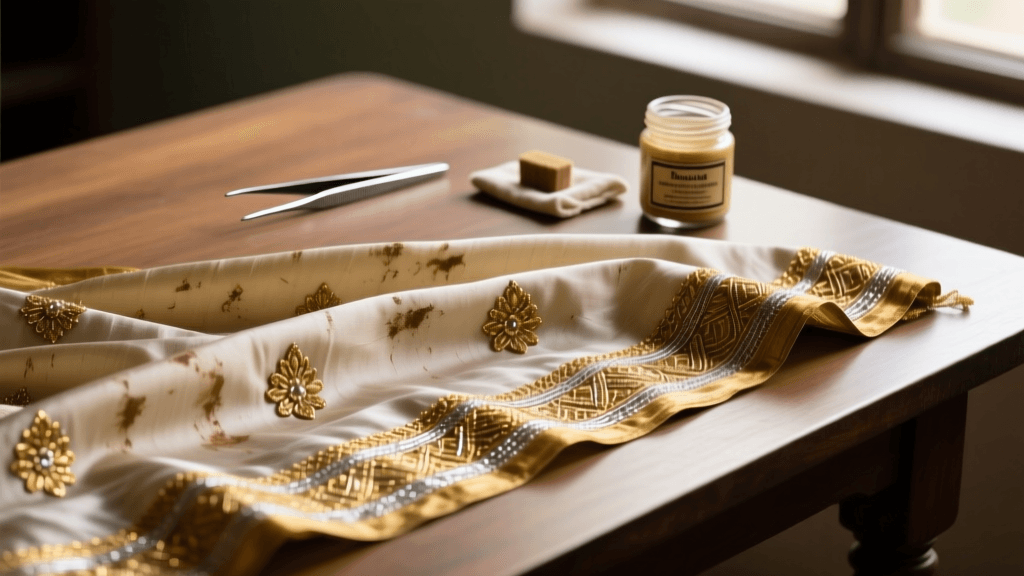
The Banarasi silk sari is one of the most revered garments in South Asian traditions, celebrated for its opulent silk weave and intricate metallic thread work known as zari. Passed down through generations as heirloom pieces, these garments carry immense cultural and emotional weight. However, preserving the metallic luster of zari threads has always been a significant challenge for collectors and families alike. As we navigate the varying global climates of 2026, the acceleration of tarnish on vintage and contemporary Banarasi saris has become a pressing concern for textile enthusiasts. The intersection of high humidity, atmospheric pollutants, and improper storage can quickly turn brilliant gold and silver threads into dull, blackened wires.
In 2026, the approach to Asian garment care has evolved significantly. We now have access to advanced conservation-grade materials, smart climate-control storage solutions, and a deeper understanding of textile chemistry. This comprehensive guide explores the modern, safe techniques for restoring tarnished zari on Banarasi silk saris, ensuring these magnificent pieces of Asian heritage remain vibrant for future generations.
Understanding Zari: Pure vs. Imitation Threads
Before attempting any restoration, it is crucial to identify the type of zari used in your sari. Historically, pure zari was crafted by wrapping flattened strips of real silver or gold around a silk or cotton core thread. Today, the market features a wide spectrum of zari types, each reacting differently to environmental factors and cleaning agents.
- Pure Zari (Real Gold/Silver): Contains a high percentage of precious metals. Silver-based pure zari is highly susceptible to tarnishing (forming silver sulfide), turning black or dark brown over time. Gold-based zari rarely tarnishes but can accumulate surface dirt.
- Tested Zari (Half-Fine): Uses a copper or brass core that is electroplated with a thin layer of silver or gold. When the plating wears off or reacts with moisture, the underlying copper oxidizes, creating a green or dark brown tarnish that is notoriously difficult to reverse without damaging the thread.
- Imitation Zari (Plastic/Synthetic): Made from metallic-coated polyester or nylon. These do not tarnish in the traditional chemical sense but can suffer from coating degradation, flaking, or discoloration due to UV exposure and heat.
Identifying your zari type in 2026 is easier than ever. While traditional methods involved the magnet test or visual inspection of the thread core, modern collectors often use portable, non-destructive X-ray fluorescence (XRF) analyzers available at specialized textile conservation clinics to determine the exact metal composition before applying any restoration treatment.
The Chemistry of Tarnish on Metal Threads
Tarnish is not merely dirt; it is a chemical reaction. When silver threads are exposed to sulfur compounds in the air—which can emanate from polluted urban environments, certain types of wood used in wardrobes, or even the natural proteins in the silk itself—silver sulfide forms on the surface. This compound creates a dark, matte layer that obscures the reflective quality of the metal. Copper-based tested zari undergoes a similar process, forming copper oxide or copper carbonate when exposed to moisture and oxygen. Understanding this chemistry is vital, as aggressive mechanical polishing can strip away the delicate metal layer entirely, especially on tested zari where the precious metal is only a microscopic plating.
Step-by-Step Zari Restoration Techniques for 2026
Restoring zari requires a delicate balance between removing tarnish and preserving the structural integrity of the underlying silk core and the surrounding Banarasi weave. Always test these methods on a small, inconspicuous area of the sari, such as the inner pallu, before proceeding.
1. Surface Dusting and Dry Preparation
Never apply liquid or chemical treatments to a dusty garment, as this will create an abrasive mud that can scratch the metal and stain the silk. Use a soft, natural-hair conservation brush to gently sweep away surface particulate. In 2026, many conservators recommend using specialized anti-static microfiber brushes designed specifically for fragile textiles, which lift dust without creating friction.
2. The Conservation Eraser Method
For mild surface dullness and light oxidation on pure silver zari, a vulcanized rubber conservation eraser is highly effective. Unlike standard pencil erasers, these are acid-free and do not leave behind damaging residues. Gently roll the eraser over the tarnished zari threads—do not rub back and forth, as this can fray the metal strips. The sulfur compounds bind to the rubber and lift away from the metal. Afterward, brush away the eraser crumbs with a soft brush.
3. Mild Organic Acid Swabs for Stubborn Tarnish
For heavier silver sulfide tarnish on pure zari, a highly diluted organic acid solution can be used. In 2026, textile conservators frequently utilize a 2% citric acid solution mixed with deionized water. Dip a cotton swab into the solution and squeeze out all excess moisture; the swab should be barely damp. Carefully dab the tarnished zari threads, avoiding the silk fabric entirely. The mild acid dissolves the silver sulfide. Immediately follow up with a second swab dampened only with deionized water to neutralize the acid, and gently blot dry with a clean, lint-free muslin cloth. Warning: Never use this method on tested or imitation zari, as the acid will strip the thin metallic plating and ruin the copper core.
Comparison Chart: Zari Types and Care Protocols
| Zari Type | Core Composition | Tarnish Appearance | Safe 2026 Cleaning Agent | Storage Requirement |
|---|---|---|---|---|
| Pure Silver Zari | Silk/Cotton + Silver | Black/Dark Brown (Silver Sulfide) | Conservation Eraser, 2% Citric Acid Swab | Acid-free tissue, low sulfur environment |
| Pure Gold Zari | Silk/Cotton + Gold | Surface Dirt (Rarely tarnishes) | Soft brush, mild deionized water dab | Standard archival muslin wrap |
| Tested Zari (Half-Fine) | Copper + Silver Plating | Green/Dark Brown (Copper Oxide) | Dry brushing only; professional solvent | Strict humidity control (below 50% RH) |
| Imitation Zari | Polyester + Metallic Paint | Flaking, Yellowing, Dullness | Dry microfiber cloth; no chemicals | UV-protected storage, avoid high heat |
Modern Archival Storage Solutions for 2026
Restoration is only half the battle; proper storage is essential to prevent future tarnish. The traditional South Asian practice of storing saris with naphthalene balls (mothballs) is strongly discouraged by modern textile experts. Naphthalene releases volatile organic compounds that can react with metallic threads and degrade silk proteins over time. According to the Victoria and Albert Museum's textile care guidelines, proper environmental control is the cornerstone of preserving delicate historic garments.
In 2026, the gold standard for storing Banarasi saris involves the following protocols:
- Archival Wrapping: Wrap the sari in unbleached, washed cotton muslin or acid-free tissue paper. Never store silk directly in plastic bins or dry-cleaning bags, as plastic traps moisture and emits plasticizers that can melt into synthetic zari coatings.
- Folding vs. Rolling: To prevent the zari threads from snapping or cracking at the fold lines, pad the folds with crumpled acid-free tissue. For highly valuable vintage pieces, rolling the sari around an acid-free cardboard tube covered in muslin is the preferred method to eliminate creases entirely.
- Smart Climate Control: Maintaining a stable environment is critical. The ideal storage condition for silk and metal threads is a temperature of 18°C to 20°C (64°F to 68°F) with a relative humidity (RH) of 45% to 50%. In 2026, many collectors utilize smart wardrobe dehumidifiers and IoT-enabled hygrometers that send alerts to their smartphones if the humidity inside the storage cabinet fluctuates outside the safe zone.
- Sulfur Scavengers: To combat airborne sulfur that causes silver tarnish, place activated charcoal sachets or specialized silver anti-tarnish strips (which absorb sulfur compounds) inside the storage drawer or wardrobe. These strips are widely available from conservation suppliers and remain effective for up to a year.
When to Seek Professional Textile Conservation
While DIY methods are suitable for light maintenance, heavily tarnished, fragile, or historically significant Banarasi saris require professional intervention. If the zari threads are brittle, snapping when touched, or if the silk base has begun to shatter (a common issue with weighted vintage silks), do not attempt home restoration. The American Institute for Conservation recommends consulting a certified textile conservator for heirloom pieces to ensure that any chemical or mechanical treatment does not compromise the artifact's longevity.
In 2026, professional textile conservation for a heavily tarnished Banarasi sari typically ranges from $150 to $400 USD, depending on the extent of the damage and the specific micro-vacuuming and solvent treatments required. Conservators use specialized, non-aqueous solvents that can lift severe copper oxidation from tested zari without causing the underlying silk to bleed or watermark.
Conclusion
Preserving the intricate zari work of a Banarasi silk sari is a meticulous process that bridges traditional appreciation with modern material science. By understanding the specific composition of your metallic threads, utilizing gentle, conservation-approved restoration techniques, and investing in smart, archival-grade storage, you can halt the progression of tarnish. As we continue through 2026, these advanced care methodologies ensure that the brilliant gold and silver weaves of Asian heritage garments remain as luminous and culturally resonant as the day they were first woven.