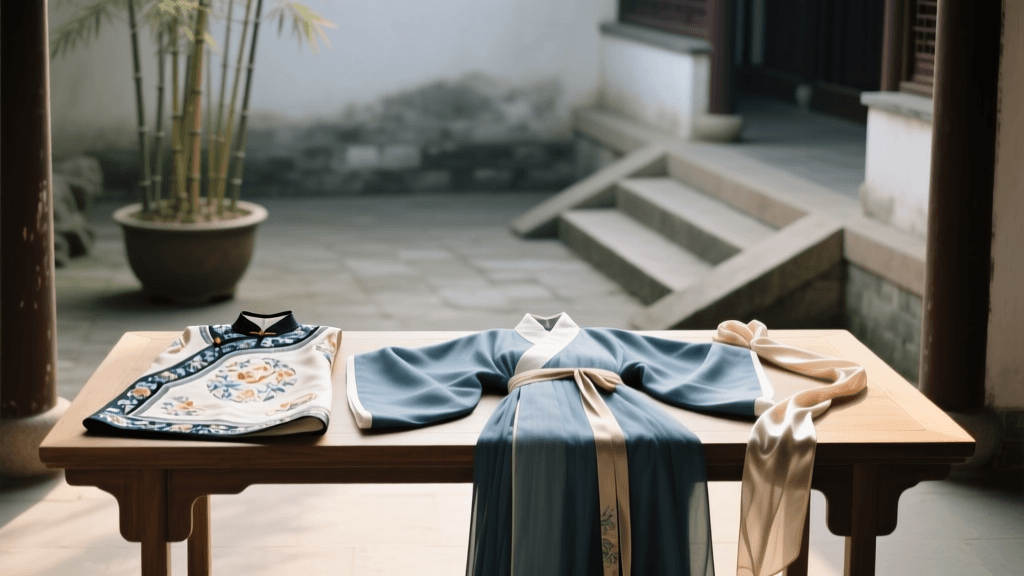
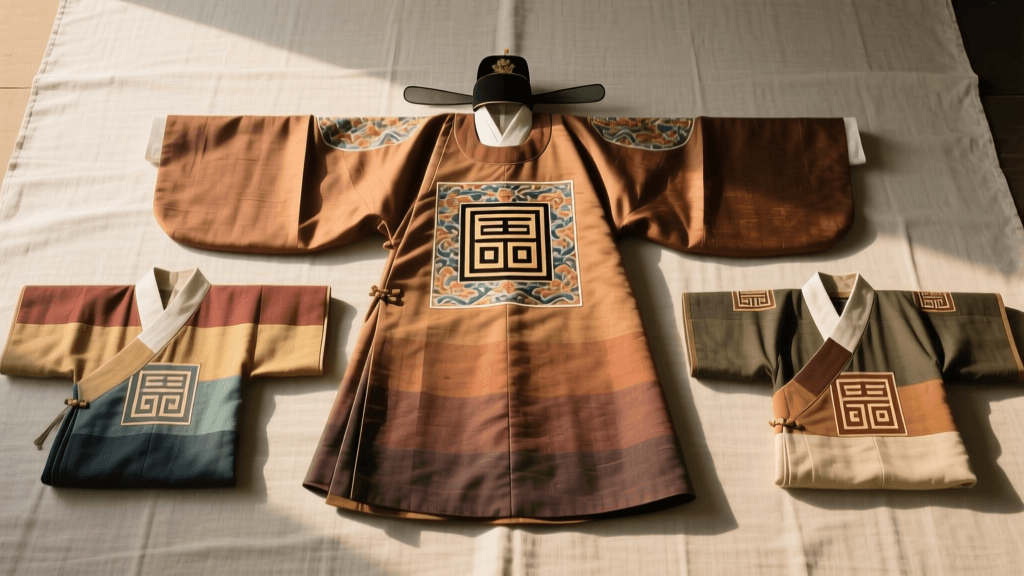
Hanfu Wardrobe Rotation & Seasonal Care Guide 2026
Introduction to Hanfu Preservation in 2026
As the global appreciation for traditional Chinese clothing continues to surge in 2026, the Xin Zhongshi (new Chinese style) and Hanfu movements have evolved from niche hobbies into mainstream cultural expressions. With collectors and enthusiasts investing in museum-quality reproductions, intricate silk brocades, and hand-pleated Mamianqun (horse-face skirts), proper garment care has never been more critical. Unlike modern fast fashion, traditional Hanfu garments utilize natural fibers and complex structural tailoring that demand specialized storage and seasonal rotation strategies.
Transitioning your Hanfu wardrobe between seasons is not merely about swapping out lighter fabrics for heavier ones; it is a meticulous process of cleaning, climate control, and structural preservation. This comprehensive 2026 guide will walk you through the best practices for maintaining your Hanfu collection, ensuring that your silk Ruqun, linen Aoqun, and winter Doupeng remain in pristine condition for generations.
Understanding Hanfu Fabric Profiles
Before implementing a rotation strategy, it is essential to understand the unique properties of the fabrics used in traditional Hanfu. According to guidelines from the Canadian Conservation Institute, natural fibers react differently to humidity, light, and tension, requiring tailored storage environments.
- Mulberry Silk (Sangcan Si): The cornerstone of formal Hanfu. Silk is a protein fiber that is highly susceptible to moisture, direct sunlight, and acidic environments. It requires breathable storage and strict humidity control to prevent mold and fiber degradation.
- Zhuanghua Brocade: Often used for heavy winter jackets and ceremonial outerwear, this complex weave incorporates metallic threads and dense silk. Brocade must be stored flat or loosely rolled to prevent permanent creasing and the snapping of metallic yarns.
- Ramie and Linen (Xia Bu): Popular for summer garments due to their breathability. These cellulose fibers are more resilient than silk but can become brittle if stored in overly dry conditions or folded along the same lines for extended periods.
The 2026 Seasonal Rotation Strategy
A successful Hanfu wardrobe relies on a bi-annual rotation system. In 2026, smart home climate control has made it easier than ever to maintain ideal storage conditions, but the physical handling of the garments remains a manual, careful art.
Spring to Summer Transition (March - April)
As you pack away your winter Doupeng (cloaks) and lined Ao (jackets), the primary goal is to ensure they are impeccably clean before entering long-term storage. Body oils and invisible perspiration can oxidize over the summer months, leading to permanent yellowing on silk linings.
- Cleaning: Always opt for professional dry cleaning for brocade and heavily embroidered items. For unlined silk garments, use a pH-neutral, silk-specific detergent and hand wash in cool water. Never wring silk; instead, roll it in a clean, dry cotton towel to absorb excess moisture before air-drying in the shade.
- Airing Out: Before storing, allow garments to rest in a well-ventilated, shaded room for 24 hours to ensure all residual moisture has evaporated.
Autumn to Winter Storage (October - November)
When transitioning to heavier garments, your summer Ruqun and lightweight Shan (shirts) must be protected from the upcoming dry indoor heating and potential pest invasions.
- Inspection: Examine every seam and hemline for signs of stress or minor tears. Address these immediately before storing, as the tension of folding can exacerbate small rips.
- Refolding: Never store a garment folded in the exact same position for two consecutive seasons. Shift your fold lines by an inch or two to prevent permanent fiber breakage and crease marks.
Special Focus: Preserving the Mamianqun Pleats
The Mamianqun, or horse-face skirt, is arguably the most iconic and structurally complex garment in the modern Hanfu wardrobe. Characterized by its flat front and back panels with heavily pleated sides, maintaining the crispness of these pleats during storage is a common challenge for enthusiasts in 2026.
To preserve the high-temperature set pleats of a Mamianqun, avoid hanging the skirt for long-term storage, as the weight of the fabric will eventually pull the pleats out of alignment. Instead, utilize the "accordion folding" method:
- Lay the skirt completely flat on a clean, padded surface.
- Align the flat front and back panels perfectly.
- Gently fold the pleated sides inward, following the existing crease lines exactly.
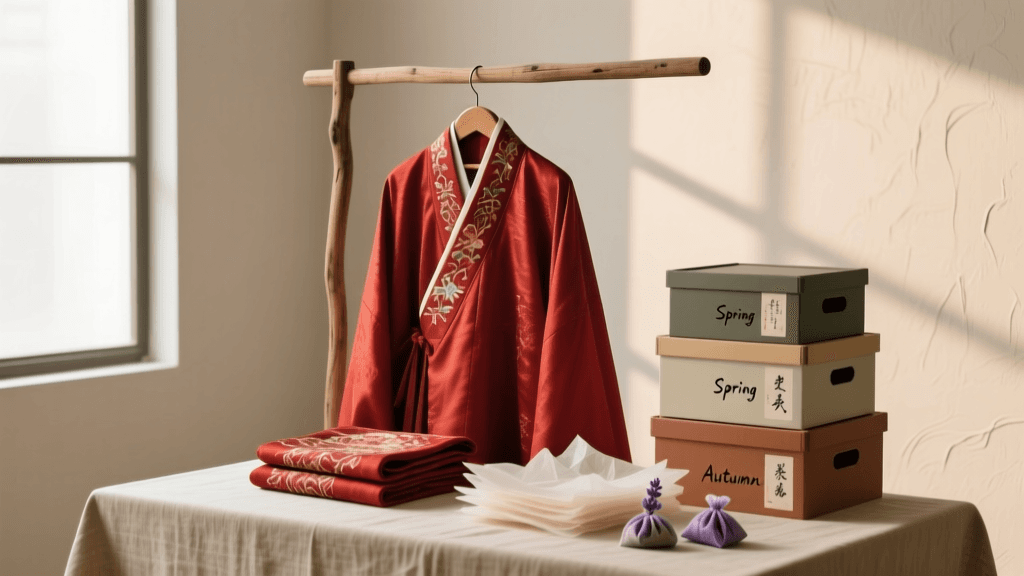
- Place acid-free tissue paper between the layers to reduce friction and absorb ambient moisture.
- Store the folded skirt in a breathable cotton garment box, placing a lightweight cedar board on top to apply gentle, even pressure that keeps the pleats compressed and sharp.
Essential Storage Materials & Smart Climate Control
The materials you use to house your Hanfu collection are just as important as the garments themselves. The Metropolitan Museum of Art's conservation department emphasizes that archival-quality storage materials are non-negotiable for preserving historical and delicate textiles.
| Hanfu Garment Type | Ideal Storage Method | Cleaning Frequency | Target Humidity (RH) |
|---|---|---|---|
| Silk Ruqun / Shan | Archival Box with Acid-Free Tissue | After every 2-3 wears | 45% - 55% |
| Brocade Winter Ao | Padded Hangers in Cotton Garment Bags | End of winter season | 40% - 50% |
| Mamianqun (Pleated) | Flat Accordion Fold in Cedar Chest | After every wear (spot clean) | 45% - 55% |
| Ramie Summer Garments | Loose Rolling or Wide Padded Hangers | After every wear | 50% - 60% |
2026 Climate Control Innovations
In 2026, relying solely on traditional silica gel packets is considered outdated for serious collectors. Modern preservation utilizes renewable, plug-in silica dehumidifiers (such as the latest Eva-Dry Mini units) placed inside the wardrobe's lower compartments to safely pull moisture without the risk of chemical leaks. Additionally, Bluetooth-enabled smart hygrometers are now standard; these devices send real-time alerts to your smartphone if the relative humidity (RH) inside your Hanfu storage cabinet drops below 40% or spikes above 60%, allowing you to adjust your room's humidifier or dehumidifier before damage occurs.
Pest Prevention and Natural Deterrents
Silk and wool are prime targets for clothing moths and carpet beetles. Chemical mothballs are strictly forbidden in Hanfu care, as their harsh fumes can degrade protein fibers and leave a permanent, noxious odor in the fabric.
Instead, adopt a natural, multi-layered pest prevention strategy:
- Eastern Red Cedar: Use unfinished cedar blocks or rings. The natural oils in the wood repel insects. Sand the blocks lightly every six months to refresh the scent and efficacy.
- Mugwort and Lavender Sachets: Traditional Chinese medicine herbs like dried mugwort (Ai Cao) have been used for centuries to deter pests. Combine them with dried lavender in breathable muslin bags and tuck them into the corners of your storage drawers.
- Routine Vacuuming: Pests are attracted to dust and microscopic food particles. Vacuum the interior of your Hanfu wardrobes and the surrounding room monthly, paying special attention to baseboards and dark corners.
Conclusion
Maintaining a Hanfu wardrobe in 2026 is a rewarding practice that bridges the gap between ancient textile arts and modern preservation science. By understanding the unique needs of silk, brocade, and ramie, implementing a strict bi-annual rotation, and utilizing smart climate monitoring, you ensure that your garments remain vibrant and structurally sound. Treat your Hanfu not just as clothing, but as wearable cultural heritage, and it will continue to drape beautifully and tell its story for many years to come.