Hanfu Storage Rotation & Seasonal Care Guide 2026: Expert Tips
The Evolution of Hanfu Wardrobes in 2026
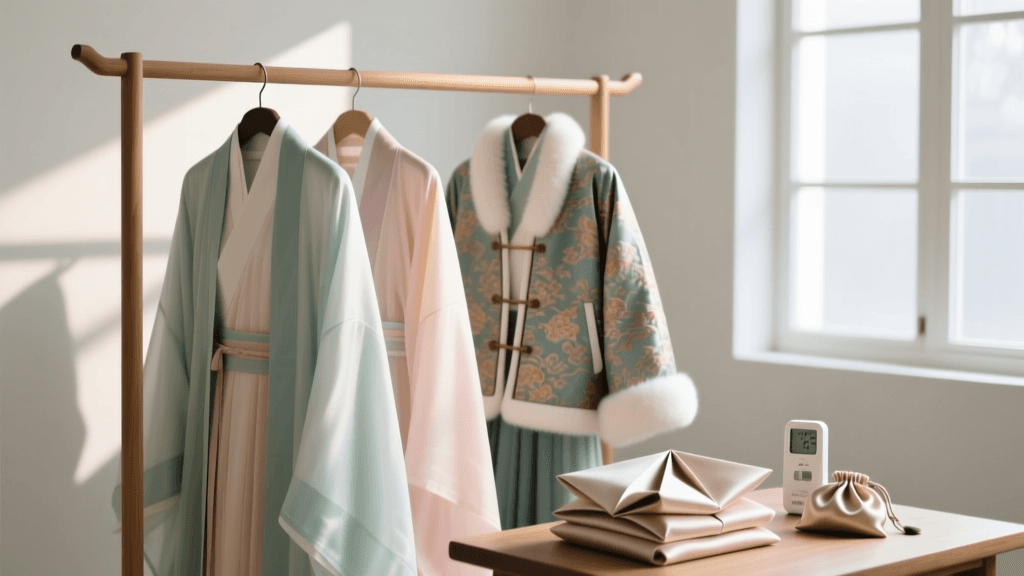
As the global appreciation for traditional Asian garments continues to expand in 2026, the modern Hanfu wardrobe has evolved from a niche hobby into a comprehensive lifestyle practice. With the rise of the Xin Zhongshi (new Chinese style) movement, enthusiasts are no longer collecting just one or two ceremonial sets; they are curating extensive, season-specific wardrobes. A dedicated collector today might own lightweight ramie Ruqun for the humid summer months, heavily embroidered brocade Mamianqun for winter festivals, and versatile Song-style daily wear for transitional weather. However, this expansive collection brings a significant challenge: proper storage, seasonal rotation, and long-term textile maintenance. Without a systematic approach, delicate natural fibers like silk, linen, and traditional blends can succumb to humidity, pest damage, and structural degradation. This comprehensive guide outlines the best practices for rotating and maintaining your Hanfu collection in 2026, ensuring your garments remain pristine for generations.
Core Principles of Archival Textile Conservation
Before diving into seasonal rotation, it is essential to understand the fundamental rules of textile preservation. According to the Victoria and Albert Museum's textile conservation guidelines, the three greatest enemies of historical and traditional garments are light, fluctuating humidity, and biological pests. While modern Hanfu is often produced with contemporary dyes and slightly more resilient weaves than ancient artifacts, the underlying natural fibers remain highly susceptible to environmental stress. Silk, in particular, is a protein fiber that can become brittle and shatter if exposed to prolonged direct sunlight or excessively dry conditions. Conversely, plant-based fibers like cotton, linen, and ramie are prone to mold and mildew in high-humidity environments. By treating your 2026 Hanfu collection with the same respect and archival methodology used by museum conservators, you can drastically extend the lifespan of your garments.
The Seasonal Rotation System
A successful Hanfu wardrobe relies on a bi-annual rotation system, typically executed during the transitional months of early spring (March) and late autumn (October). This process is not merely about swapping out clothes; it is an opportunity for deep inspection, cleaning, and reorganization.
Spring Transition: Storing Winter Garments
Before storing heavy winter garments such as lined Ao (jackets), velvet-trimmed capes, and thick brocade skirts, every piece must be professionally cleaned or gently hand-washed according to its specific fabric requirements. Invisible stains from sweat, oils, or food can oxidize over the summer months, leading to permanent yellowing and attracting pests. Once cleaned, winter garments should be stored in breathable, unbleached cotton muslin bags or archival-quality acid-free boxes. Avoid plastic dry-cleaning bags entirely, as they trap moisture and emit off-gassing chemicals that degrade silk fibers over time.
Autumn Transition: Preparing Summer Textiles
Summer Hanfu, often made from highly breathable but delicate materials like Xia Bu (summer cloth/ramie) and lightweight gauze silks, requires careful handling before being put away for the winter. These garments are often subjected to high sweat and sunscreen exposure. Ensure all summer pieces are thoroughly washed and completely bone-dry before storage. Even a microscopic amount of trapped moisture can lead to devastating mold growth when stored in dark, unventilated spaces during the colder months.
Fabric-Specific Storage and Care Matrix
Different fibers require distinct microclimates and handling techniques. The following matrix provides a quick-reference guide for storing the most common Hanfu fabrics in 2026.
| Fabric Type | Ideal Humidity (RH) | Storage Method | Pest Deterrent |
|---|---|---|---|
| Mulberry Silk (Satin/Crepe) | 45% - 55% | Acid-free tissue stuffing, flat storage or padded hangers | Cedarwood blocks, dried lavender |
| Ramie / Linen (Xia Bu) | 40% - 50% | Loosely rolled or folded in cotton muslin bags | Neem leaves, regular airing out |
| Brocade / Damask (Zhi Jin) | 45% - 55% | Flat storage to prevent metallic thread snapping | Airtight archival bins with silica gel |
| Cotton Blends (Daily Wear) | 35% - 50% | Standard folding in breathable drawers | Standard closet sachets |
Preserving the Structure: Mamianqun and Pleated Skirts
The Mamianqun (horse-face skirt) is a staple of the Hanfu wardrobe, renowned for its intricate, knife-pleated structure and heavy decorative waistbands. Improper storage can permanently ruin the pleats and cause the waistband to warp. According to the Metropolitan Museum of Art's textile conservation department, heavy garments with structural pleats should ideally be hung to prevent permanent creasing at the fold lines. However, standard wire or thin wooden hangers will damage the heavy waistband.
For your 2026 Mamianqun collection, invest in wide, velvet-padded skirt hangers with adjustable clips. Always clip the hanger to the sturdy cotton or linen waistband, never directly onto the delicate silk body or the metallic trims. If hanging space is limited, the alternative archival method is rolling. Lay the skirt flat, align the pleats perfectly, and roll it around an acid-free cardboard tube padded with unbleached cotton muslin. Never fold a Mamianqun for long-term storage, as the weight of the fabric will eventually cause the pleats to relax and the fibers to break along the fold lines.
Climate Control: Smart Monitoring for 2026
Modern technology has made it easier than ever to protect traditional garments. In 2026, smart home integration is a standard practice for serious textile collectors. Utilizing Wi-Fi-enabled smart hygrometers, such as the latest Govee or SwitchBot environmental sensors, allows you to monitor the temperature and relative humidity (RH) of your storage space in real-time via your smartphone. The ideal environment for a mixed Hanfu wardrobe is a stable temperature of 18°C to 20°C (64°F to 68°F) with an RH between 45% and 55%.
If your storage area is prone to high humidity (common in coastal or subtropical regions), integrate a smart dehumidifier that automatically activates when the RH exceeds 60%. For extremely dry climates, where silk can become brittle, consider placing shallow trays of distilled water or using specialized humidifiers in the room to maintain the minimum 45% RH threshold. Consistency is key; rapid fluctuations in humidity cause fibers to expand and contract, leading to micro-tears in delicate weaves.
Folding Techniques and Archival Materials
While hanging is preferred for heavy or structured garments, many lightweight Hanfu tops (Shan, Ao) and accessories are best stored flat to prevent shoulder distortion. The American Institute for Conservation emphasizes the importance of mitigating hard creases when folding historical and delicate textiles. To achieve this, use acid-free, unbuffered tissue paper.
When folding a silk top, lay it flat on a clean surface. Place a sheet of acid-free tissue paper over the garment, and fold the sleeves inward. As you make each subsequent fold, place a small roll or crumpled sheet of tissue paper inside the fold line. This creates a soft, rounded edge rather than a sharp, hard crease, preventing the silk fibers from fracturing over time. Finally, wrap the entire folded garment in an additional layer of tissue or place it inside a breathable cotton envelope before placing it in your storage drawer or archival box.
Pest Prevention Without Chemical Damage
Biological pests, particularly clothes moths and carpet beetles, are a severe threat to protein-based fibers like silk and wool. However, traditional chemical mothballs (naphthalene or paradichlorobenzene) are highly toxic, leave a lingering, noxious odor, and can actually melt or stain synthetic blends and delicate dyes. In 2026, the standard for safe pest prevention relies on natural deterrents and environmental control.
Use blocks of untreated cedarwood or sachets of dried lavender and neem leaves in your storage containers. These natural options repel insects without off-gassing harmful chemicals. It is crucial to remember that cedarwood loses its aromatic oils over time; lightly sand the blocks every six months during your seasonal rotation to refresh the scent. If you suspect an active infestation in a specific garment, do not use chemical sprays. Instead, place the dry garment in a sealed plastic bag and freeze it for 72 hours. This deep-freezing method safely eliminates all life stages of textile pests without damaging the fabric or dyes.
Conclusion
Maintaining a Hanfu wardrobe in 2026 is a rewarding practice that bridges the gap between historical appreciation and modern garment care. By implementing a strict seasonal rotation, utilizing smart climate monitoring, and adhering to archival folding and storage techniques, you protect not just the financial value of your collection, but the cultural heritage embedded in every stitch. Whether you are preserving a hand-embroidered Ming-style jacket or a lightweight, daily-wear Xin Zhongshi dress, treating your garments with mindful, proactive care ensures they will remain vibrant, structurally sound, and ready to be worn for many years to come.