Chinese Wedding Attire Guide: Qipao, Qungua, and Hanfu Explained

Introduction to Chinese Ceremonial Wedding Garments
Planning a traditional Chinese wedding involves navigating a rich tapestry of cultural heritage, symbolism, and sartorial elegance. For modern brides and grooms, selecting the right ceremonial attire is a profound way to honor ancestral traditions while expressing personal style. The three most prominent garments in contemporary Chinese weddings are the Qungua (often referred to as Kwa), the Qipao (Cheongsam), and the historically inspired Hanfu. According to the Metropolitan Museum of Art, the evolution of Chinese dress reflects centuries of dynastic shifts, regional influences, and modern revivals, making each garment a unique canvas of cultural storytelling.
This comprehensive guide breaks down the history, structure, and practical considerations for choosing your Chinese wedding attire, complete with budgeting, tailoring timelines, and styling advice to ensure your ceremonial wardrobe is flawless.
The Qungua (Kwa): The Ultimate Traditional Bridal Jacket
The Qungua (裙褂) is the pinnacle of traditional Cantonese and broader Southern Chinese bridal wear. It is a two-piece ensemble consisting of a fitted, flared-sleeve jacket (Gua) and a pleated or A-line skirt (Qun). The defining feature of the Qungua is its intricate embroidery, traditionally executed in gold and silver metallic threads on a heavy red silk base. The most coveted motif is the Longfeng (dragon and phoenix), symbolizing the balance of yin and yang and marital harmony.
Brides often choose between varying densities of embroidery. A standard Qungua might feature 50% to 70% embroidery coverage, while the highly prestigious Xiuhefu or Xiaowufu boasts nearly 100% coverage, where the red silk base is entirely obscured by dense, raised goldwork. Because of the immense labor involved—often requiring hundreds of hours of hand-embroidery by master artisans—a custom, high-density Qungua can cost anywhere from $5,000 to over $20,000. For this reason, many modern brides opt to rent these heirloom-quality garments for the day of the tea ceremony.
The Qipao (Cheongsam): Elegant and Form-Fitting
Originating in 1920s Shanghai, the Qipao (旗袍) or Cheongsam transitioned from a loose, modest Manchu robe into a form-fitting, elegant silhouette that celebrated the modern woman. As noted by the Victoria and Albert Museum, the Qipao became a global icon of Chinese fashion, characterized by its mandarin collar, asymmetrical front opening secured by handmade Pankou (frog) knots, and daring side slits.
For weddings, brides typically select a floor-length Qipao crafted from luxurious silk brocade, velvet, or Xiangyunsha (a rare, mud-dyed silk from Guangdong). While red remains the standard for the main banquet or tea ceremony, modern brides frequently incorporate pastel hues, deep burgundies, or even white and gold for secondary events or engagement dinners. The Qipao is unforgiving in its fit, demanding precise tailoring. Custom Qipaos generally range from $800 to $3,000, depending on the fabric origin and whether the embroidery is done by hand or machine.
Hanfu: The Historical Revival for Ceremonial Weddings
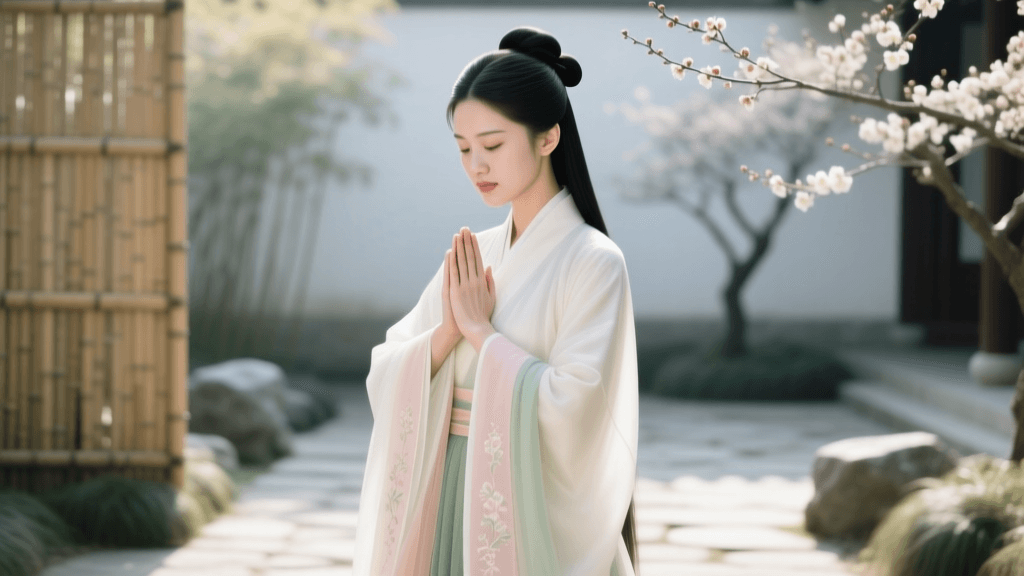
The Hanfu movement has seen a massive resurgence among younger generations seeking to reconnect with pre-Qing dynasty Han Chinese heritage. For weddings, the most popular choice is the Ming Dynasty-inspired ceremonial attire, specifically the Fengguan Xiapei (phoenix crown and rosy cape). The bride wears a sweeping, pleated Mamianqun (horse-face skirt) paired with a voluminous, wide-sleeved Ao (jacket) or Yuanlingpao (round-collar robe).
The silhouette is majestic, modest, and deeply layered, often utilizing rich color palettes like crimson, emerald green, and sapphire blue. The craftsmanship of these garments relies heavily on traditional silk weaving and embroidery techniques, many of which are safeguarded as UNESCO Intangible Cultural Heritage. A complete, high-quality Hanfu wedding set, including the elaborate headpiece and embroidered cloud shoulders, typically costs between $1,500 and $4,500.
Symbolism in Chinese Wedding Textiles
When selecting your garment, understanding the embroidery motifs is crucial, as they convey specific blessings for the marriage:
- Peony: Known as the king of flowers, it represents wealth, honor, and prosperity.
- Lotus: Symbolizes purity, harmony, and a peaceful union, as it rises unstained from muddy waters.
- Bat: The Chinese word for bat (fu) is a homophone for good fortune and happiness.
- Pomegranate: Packed with seeds, it is a traditional wish for fertility and many children.
- Magpie and Plum Blossom: Represents joy and the arrival of good news.
Comparison Chart: Qungua vs. Qipao vs. Hanfu
| Garment | Pieces & Silhouette | Best For | Average Cost (Custom) | Lead Time |
|---|---|---|---|---|
| Qungua (Kwa) | Two-piece; boxy jacket, A-line skirt | Morning Tea Ceremony, family portraits | $5,000 - $20,000+ | 6 - 12 months |
| Qipao (Cheongsam) | One-piece; form-fitting, side slits | Banquet, cocktail hour, engagement | $800 - $3,000 | 2 - 4 months |
| Hanfu (Ming Style) | Multi-layered; wide sleeves, pleated skirt | Main ceremony, historical reenactments | $1,500 - $4,500 | 3 - 6 months |
Practical Guide: Tailoring, Timing, and Budgeting
Achieving the perfect look requires meticulous planning. Follow this actionable timeline and preparation guide to ensure your attire is flawless.
Essential Measurements for Custom Tailoring
Unlike Western gowns that focus heavily on bust and waist, traditional Chinese garments require a comprehensive set of measurements to accommodate high collars and precise silk draping. Provide your tailor with:
- Shoulder Width & Armhole Depth: Crucial for the Qipao to prevent pulling at the underarm.
- Neck Circumference: The Mandarin collar must sit snugly without choking the wearer.
- Hollow-to-Hem: Measured while wearing your exact wedding shoes to ensure the side slits of the Qipao or the hem of the Mamianqun fall correctly.
- Wrist & Bicep: Necessary for Hanfu and Qungua to ensure the voluminous sleeves drape elegantly without swallowing your hands.
The Bridal Timeline
- 6 Months Out: Decide on your garment style. If renting a high-end Qungua, book it now, as premium heirloom pieces are reserved up to a year in advance.
Finalize fabrics and submit measurements for custom Qipaos or Hanfu. Order your custom Pankou knots or embroidered shoes. - 2 Months Out: First fitting. Check the structural integrity of the collar and the alignment of embroidery motifs across seams.
- 1 Month Out: Final fitting with your exact undergarments and shoes. Practice sitting, kneeling for the tea ceremony, and walking up stairs.
Undergarments and Styling Secrets
The foundation of your outfit dictates its final silhouette. For the Qipao, invest in high-waisted, seamless shapewear and silicone inserts (colloquially known as 'chicken cutlets') to fill out the bust and create a smooth line under the unforgiving silk. Avoid lace underwear, as the texture will show through thin crepe fabrics. For the Hanfu and Qungua, wear a breathable cotton slip or traditional white inner garments (zhongyi) to absorb sweat and protect the expensive silk outer layers from skin oils.
"In Chinese wedding traditions, the attire is not merely clothing; it is an armor of blessings. Every stitch of gold thread and every woven lotus is a tangible wish from the ancestors for a prosperous, enduring union."
Conclusion
Whether you choose the structured elegance of the Qungua, the modern sophistication of the Qipao, or the majestic historical depth of the Hanfu, your Chinese wedding attire is a powerful connection to your heritage. By understanding the distinct features, costs, and tailoring requirements of each garment, you can make an informed decision that honors tradition while making you feel extraordinary on your wedding day. Plan early, invest in precise tailoring, and wear your cultural heritage with pride.