Hanfu Travel Wardrobe 2026: Packing Essentials Guide
The Rise of Hanfu Cultural Tourism in 2026
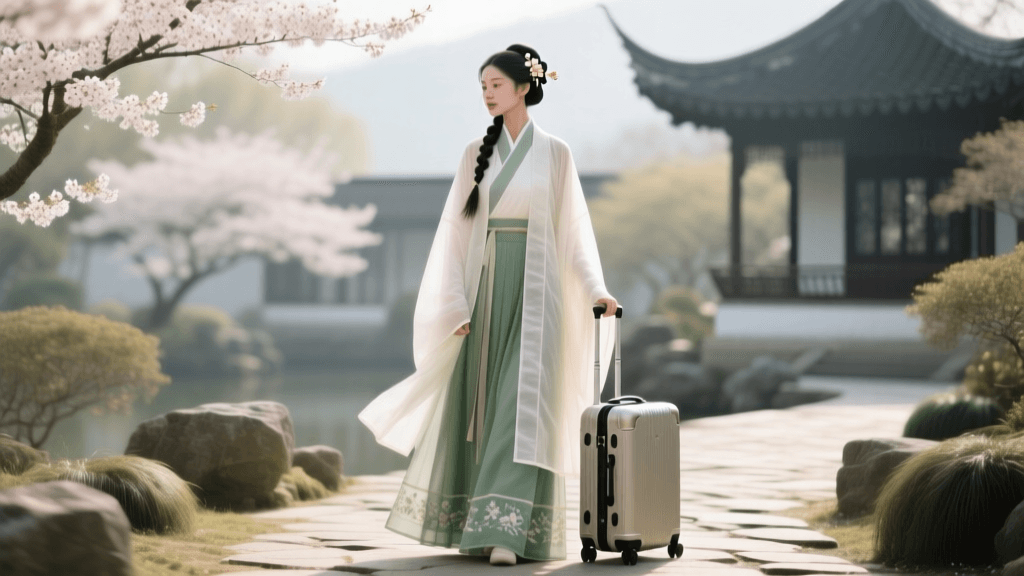
By 2026, the Hanfu movement has transcended niche internet communities to become a cornerstone of global cultural tourism. Travelers exploring China’s historical capitals and scenic water towns are no longer just observing history; they are actively participating in it by wearing traditional garments. However, traveling with Hanfu presents unique logistical challenges. The voluminous sleeves, intricate pleats, and delicate fabrics of traditional Chinese clothing require strategic planning to ensure your garments remain pristine from the airplane cabin to the photography studio.
Whether you are preparing for a Tang dynasty-inspired photoshoot in Luoyang or a serene Song dynasty tea ceremony in Suzhou, building a functional, travel-ready Hanfu wardrobe is essential. This comprehensive guide covers the latest 2026 fabric innovations, structural undergarments, and packing techniques designed specifically for the modern Hanfu traveler.
Choosing Travel-Ready Fabrics for the Modern Traveler
Historically, authentic Hanfu was crafted from pure mulberry silk, ramie, or heavy brocades. While breathtaking, these materials are notoriously difficult to maintain on the road. Pure silk wrinkles if you look at it the wrong way, and heavy winter brocades add excessive weight to your luggage. In 2026, the market is dominated by 'travel-ready' heritage fabrics that offer the drape and luster of traditional textiles without the high maintenance.
- Tencel-Linen Blends: Ideal for Song dynasty Beizi (long jackets) and summer tops. These blends offer the breathable, textured aesthetic of ancient ramie but with modern wrinkle-resistance and softness.
- Crepe-Resistant Polyester-Silk Organza: Perfect for Tang dynasty Qixiong Ruqun (chest-high skirts) and layering shawls. It catches the sunlight beautifully for photography but can be stuffed into a carry-on and shaken out completely wrinkle-free.
- Memory-Shape Jacquard: The gold standard for Ming dynasty Mamianqun (horse-face skirts). This 2026 textile innovation holds sharp, knife-like pleats permanently, even after being rolled up in a suitcase for a 14-hour flight.
The 2026 Hanfu Capsule Wardrobe Matrix
To maximize outfit combinations while minimizing luggage space, adopt a modular capsule wardrobe approach. By mixing and matching separates across different historical eras and color palettes, you can create a week's worth of distinct looks with just a few core pieces.
| Garment Type | Historical Era | Best Destination Vibe | 2026 Fabric Recommendation |
|---|---|---|---|
| Mamianqun (Horse-face skirt) | Ming Dynasty | Beijing, Xi'an (Imperial architecture) | Memory-Shape Jacquard |
| Qixiong Ruqun (Chest-high skirt) | Tang Dynasty | Luoyang, Dunhuang (Desert/Grottoes) | Lightweight Chiffon or Tencel |
| Beizi (Long open jacket) | Song Dynasty | Suzhou, Hangzhou (Water towns) | |
| Jiaoling Ruqun (Cross-collar top/skirt) | Han/Wei Jin | Chengdu, Wudang Mountains (Nature) | Bamboo-fiber Jersey |
Pro Tip: Stick to a cohesive color palette (e.g., jade greens, muted terracottas, and ivory) so that any top can be paired with any skirt, effectively doubling your outfit options.
Essential Packing Gear & Structural Undergarments
The secret to a flawless Hanfu silhouette lies in what you wear underneath. Traditional garments were layered heavily, but modern travel requires streamlined, ergonomic solutions.
Structural Undergarments
For Qixiong Ruqun, the chest-high skirt relies on tension to stay up. In 2026, specialized Hanfu under-corsets with silicone grip-lining and adjustable side-hooks have replaced the uncomfortable elastic bands of the past. Pack at least two of these grip-corsets to ensure your skirt stays securely in place during long days of walking. Additionally, anti-chafing bamboo shorts are a must-have for wearing under voluminous Mamianqun skirts, especially during humid summer months in southern China.
On-the-Go Steaming & Maintenance
Even with wrinkle-resistant fabrics, a steamer is non-negotiable for achieving the crisp, elegant drape required for Hanfu. The latest 2026 dual-voltage ultrasonic misting travel steamers are small enough to fit in a toiletry bag and heat up in under 30 seconds. Pair this with a small bottle of botanical fabric refresher spray to eliminate odors from street food and incense after a long day of sightseeing.
Hair Accessories & Ronghua
Delicate velvet flowers (Ronghua) and metal Buyao (dangling hairpins) are easily crushed in standard luggage. Invest in a hard-shell, velvet-lined roll-up jewelry case specifically designed for Hanfu accessories. These cases feature individual elastic loops for hairpins and padded compartments to protect the delicate silk and velvet petals of your floral headpieces.
Destination-Specific Styling & Photography
Matching your Hanfu style to the architectural and historical context of your destination elevates your travel photography from a simple costume shoot to a deeply immersive cultural experience.
Luoyang and the Tang Dynasty Aesthetic
Luoyang, the ancient eastern capital of the Tang dynasty, is famous for its opulent, bold, and colorful aesthetics. When visiting the magnificent Longmen Grottoes UNESCO World Heritage site, opt for a vibrant Qixiong Ruqun in saffron, crimson, or emerald green. The Tang era embraced voluminous sleeves, floral motifs, and elaborate shawls (Pibo). The dramatic scale of the carved limestone Buddhas provides a breathtaking, monumental backdrop that perfectly complements the sweeping, grand silhouettes of Tang-style garments.
Suzhou and the Song/Ming Dynasty Elegance
For a more subdued, intellectual, and elegant aesthetic, the classical gardens of Suzhou are unparalleled. According to the Suzhou Travel Guide, the city's intricate pavilions, koi ponds, and moon gates demand a refined approach to dress. Choose a Song dynasty Beizi layered over a narrow-sleeved cross-collar top and a solid-colored pleated skirt. Earth tones, celadon, and soft pearlescent whites photograph beautifully against the dark wood and lush green bamboo of the Humble Administrator's Garden. As noted by Lonely Planet's China Travel Guide, Suzhou's intimate garden spaces are best explored in lightweight, breathable layers that allow for graceful movement through narrow, winding corridors.
The 'Core-Wrap' Packing Technique for Pleated Skirts
The Mamianqun is notorious for losing its sharp, knife-pleated structure if folded incorrectly. To preserve the pleats without needing hours of steaming upon arrival, utilize the 'Core-Wrap' method:
- Align the Pleats: Lay the skirt flat on a clean surface and ensure every single pleat is perfectly aligned and flat.
- The Core: Take a lightweight, cylindrical object (like a clean, empty cardboard wrapping paper tube or a specialized inflatable packing cylinder) and place it at the waistband.
- Roll, Don't Fold: Tightly roll the skirt around the cylinder, following the natural direction of the pleats. This prevents hard creases from forming across the fabric.
- Secure: Wrap the rolled skirt in a smooth silk scarf or a dedicated cotton garment bag, and secure it with soft ribbon ties. Never use rubber bands or tight clips, which will dent the fabric.
By treating your Hanfu not just as clothing, but as portable cultural artifacts, you ensure that your 2026 travel wardrobe remains as stunning on the final day of your trip as it was on the first. Safe travels, and may your historical journeys be as beautiful as the garments you wear.