Top Chinese Natural Dye Plants For Eco-Friendly Hanfu 2026
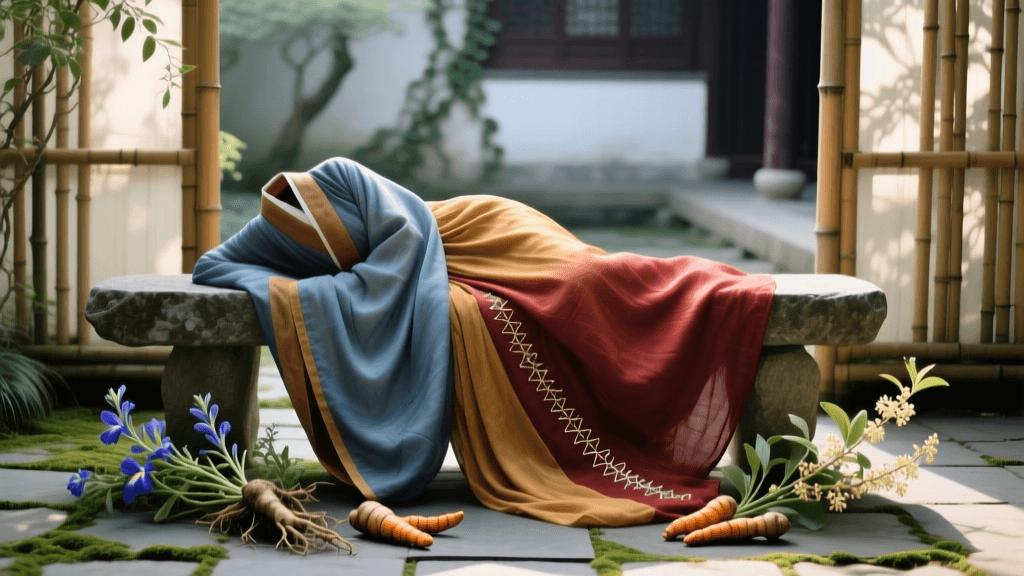
The Renaissance of Cao Mu Ran in 2026
The global revival of traditional Asian garments has reached a critical inflection point in 2026, with the Hanfu movement leading the charge in sustainable fashion. As enthusiasts and designers increasingly reject the environmental toll of synthetic azo dyes, the ancient Chinese practice of Cao Mu Ran (plant-based dyeing) has experienced a massive resurgence. According to the United Nations Environment Programme (UNEP), the shift toward botanical dyes is one of the most effective ways to reduce the microplastic and heavy metal pollution associated with modern textile manufacturing. For the contemporary Hanfu maker, mastering Chinese natural dye plants is no longer just a historical pursuit; it is a vital eco-friendly practice that aligns with 2026's stringent sustainability standards.
This comprehensive guide explores the most vital Chinese natural dye plants, provides actionable, step-by-step dyeing instructions, and analyzes the current market data for sourcing these botanicals sustainably.
The 'Big Four' Chinese Natural Dye Plants
While hundreds of plants can yield color, traditional Chinese textile arts rely heavily on a core group of botanicals known for their vibrant hues, cultural significance, and relative color fastness. Here are the essential plants for your 2026 eco-friendly Hanfu wardrobe.
1. Lan Cao (Chinese Indigo - Persicaria tinctoria)
Unlike tropical indigo varieties, Lan Cao thrives in the temperate climates of southern China. The leaves contain indican, which, through fermentation and oxidation, produces the iconic deep blues seen in Ming and Song dynasty garments. In 2026, organic Persicaria tinctoria is highly prized for its lower water footprint compared to synthetic indigo, which requires toxic reducing agents like sodium dithionite. Natural indigo vat dyeing relies on fructose or henna as eco-friendly reducing agents, making the wastewater entirely safe for agricultural reuse.
2. Qian Cao (Chinese Madder - Rubia cordifolia)
For centuries, the roots of the Qian Cao plant have been the primary source of red in Chinese textiles. Rich in purpurin and munjistin, madder yields colors ranging from soft terracotta to deep crimson, depending on the mordant and water temperature. Modern eco-dyers in 2026 favor madder because it can be harvested sustainably from the root without destroying the entire plant ecosystem, and it grows abundantly in the loess soils of northern China.
3. Huai Hua (Pagoda Tree - Styphnolobium japonicum)
The unopened flower buds of the Pagoda Tree, known as Huai Hua, are the premier source of brilliant, lightfast yellow in traditional Chinese dyeing. As documented by botanical experts at Kew Gardens, the tree is remarkably resilient and drought-tolerant. The buds contain rutin, a flavonoid that binds exceptionally well to protein fibers like silk and wool, making it the perfect choice for dyeing luxurious Hanfu silks without the need for harsh chemical fixatives.
4. Zi Cao (Gromwell - Lithospermum erythrorhizon)
Historically reserved for imperial and high-ranking ceremonial garments, Zi Cao roots produce stunning shades of violet and purple. The active dye compound, shikonin, is unique because it does not require a metallic mordant; it is a substantive dye that binds directly to the fiber. However, it is highly sensitive to alkalinity and heat, requiring precise temperature control during the dyeing process.
2026 Sourcing and Sustainability Data
As the demand for authentic, plant-dyed Hanfu has surged, the agricultural supply chain has adapted. Below is a comparative look at the 2026 market data for these natural dye plants, highlighting their environmental impact and cost-effectiveness for independent dyers and boutique studios.
| Plant (Common/Chinese) | Botanical Name | Target Color | Preferred Mordant | 2026 Avg Cost (per kg) | Water Footprint |
|---|---|---|---|---|---|
| Chinese Indigo (Lan Cao) | Persicaria tinctoria | Deep Blue | None (Vat dye) | $28.00 USD | Low (Rain-fed) |
| Chinese Madder (Qian Cao) | Rubia cordifolia | Red / Crimson | Alum / Iron | $42.00 USD | Moderate |
| Pagoda Tree (Huai Hua) | Styphnolobium japonicum | Bright Yellow | Alum | $35.00 USD | Very Low (Drought-tolerant) |
| Gromwell (Zi Cao) | Lithospermum erythrorhizon | Purple / Violet | None (Substantive) | $65.00 USD | Low |
Step-by-Step Eco-Friendly Dyeing Process
Achieving museum-quality color fastness on Hanfu silks and linens requires strict adherence to traditional methodologies, updated with 2026's eco-friendly bio-enzyme technologies. Follow this actionable guide for a standard 100-gram batch of silk fabric.
Phase 1: Bio-Scouring and Preparation
Natural fibers contain oils, waxes, and sericin (in the case of silk) that block dye absorption. Instead of using harsh synthetic alkalis, modern eco-dyers use bio-enzyme scouring agents.
- Measurement: Use 2 grams of pectinase bio-enzyme per 100 grams of fabric.
- Liquor Ratio: Maintain a 1:20 ratio (2 liters of water for 100g of fabric).
- Process: Heat the water to exactly 50°C (122°F). Submerge the fabric and hold the temperature for 45 minutes. Rinse thoroughly in cool water. This prepares the fiber while keeping the wastewater completely biodegradable.
Phase 2: Eco-Mordanting
Mordants act as the chemical bridge between the plant dye and the textile fiber. For 2026 sustainable practices, we avoid heavy metals like chrome and tin, relying instead on food-grade alum and plant-based tannins.
- Alum Mordant (for bright colors): Dissolve 15 grams of Potassium Aluminum Sulfate (alum) and 5 grams of Cream of Tartar in warm water. Add to a pot with 2 liters of water.
- Process: Simmer the scoured fabric in the mordant bath at 80°C for one hour. Allow the fabric to cool in the bath overnight for maximum fiber penetration.
- Tannin Mordant (for darker, muted tones): Use 20 grams of powdered Myrobalan (a traditional Chinese tannin source) simmered for an hour. This is particularly effective for cellulose fibers like hemp and cotton used in everyday Hanfu.
Phase 3: Extraction and Dyeing
The extraction of color requires patience and precise temperature control to avoid burning the delicate botanical compounds.
- Extraction: For roots (Madder) or buds (Pagoda Tree), use 100 grams of dried plant material per 100 grams of fabric. Simmer the plant material in 3 liters of water at 70°C for two hours. Strain the liquid through a fine mesh cloth to remove all particulate matter.
- Dyeing: Add the mordanted, damp fabric to the dye bath. Maintain a gentle heat of 60°C for Madder, or 80°C for Pagoda Tree. Agitate gently every 15 minutes to ensure even color distribution.
- Oxidation: Once the desired depth of color is achieved (usually after 1 to 2 hours), remove the fabric. Hang it in a shaded, well-ventilated area to oxidize and dry. Do not expose wet, freshly dyed silk to direct sunlight, as UV rays can cause immediate, uneven fading.
Overcoming Color Fastness and Washability Challenges
One of the most persistent criticisms of natural dyes is their susceptibility to fading. However, as noted by the Food and Agriculture Organization (FAO) in their comprehensive reports on non-wood forest products and natural dyes, proper post-dye treatments can dramatically improve wash fastness. In 2026, the integration of soy milk protein finishes and natural beeswax emulsions has revolutionized how plant-dyed Hanfu is cared for.
After the final dye bath and rinse, submerge your Hanfu silk in a bath of diluted, unflavored soy milk (1 part soy milk to 4 parts water) for 30 minutes. The proteins in the soy bind to any remaining unattached dye molecules, locking them into the fiber matrix. This traditional technique, newly validated by modern textile science, creates a soft, natural hand-feel while providing a robust barrier against UV degradation and gentle hand-washing.
Water Conservation in the 2026 Dye Studio
Sustainability extends beyond the choice of plants; it encompasses the entire lifecycle of the dye studio. Traditional dyeing is notoriously water-intensive. To combat this, 2026's leading eco-conscious Hanfu ateliers have adopted closed-loop water systems. By utilizing natural flocculants like crushed Moringa oleifera seeds, dyers can clarify and reuse their exhaust dye baths up to three times before the water must be safely returned to the soil. Furthermore, the spent plant matter from Madder and Pagoda Tree extractions is now routinely composted or repurposed as a nutrient-rich mulch for indigo fields, ensuring a zero-waste circular economy.
Conclusion
The integration of Chinese natural dye plants into modern Hanfu production represents a beautiful synthesis of ancestral wisdom and contemporary ecological responsibility. By utilizing Lan Cao, Qian Cao, Huai Hua, and Zi Cao, artisans are not merely recreating the past; they are actively designing a sustainable future for Asian traditional garments. Whether you are an independent crafter dyeing your first silk Ruqun or a boutique studio scaling up production, embracing these eco-friendly botanical methods ensures that the vibrant colors of Chinese heritage will endure for generations to come, without costing the earth.