The Hanfu Revival: A Practical Guide to Building Your Wardrobe
The Genesis and Growth of the Hanfu Revival Movement
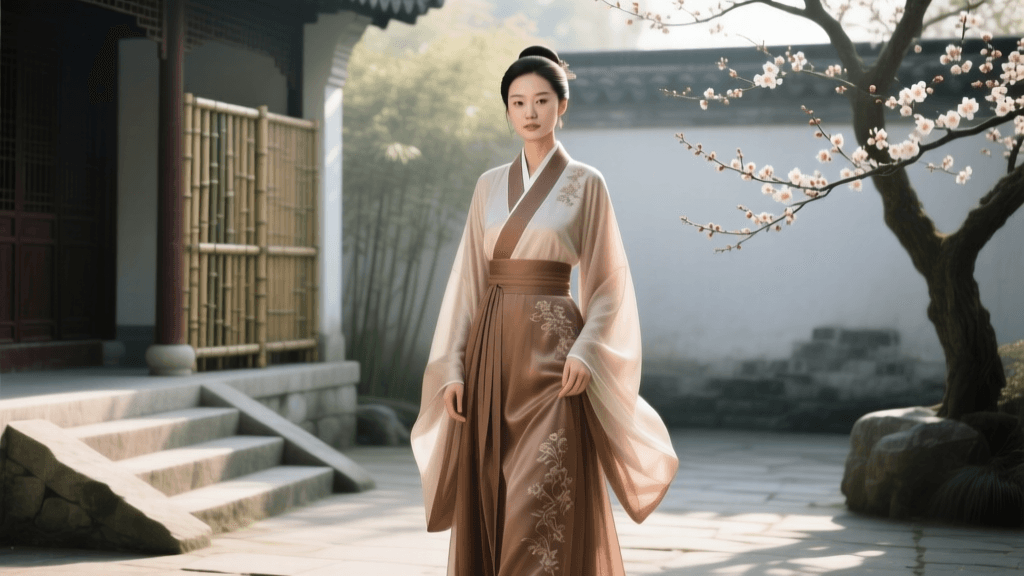
The Hanfu Revival Movement, known natively as the Hanfu Yundong, is one of the most significant cultural phenomena of the 21st century in Asia. What began in 2003 when a man named Wang Letian walked the streets of Zhengzhou in a historically reconstructed Han Chinese robe has blossomed into a multi-billion-dollar industry. Today, millions of young Chinese and global diaspora enthusiasts—affectionately called Tongpao (robe companions)—are reclaiming their sartorial heritage. According to cultural analyses by Sixth Tone, this movement is not merely about fashion; it is a profound reclamation of a severed cultural lineage and a living expression of Chinese aesthetics.
For newcomers, navigating the vast ocean of traditional Chinese clothing can be overwhelming. The market is flooded with everything from historically accurate museum-grade replicas to mass-produced fantasy costumes. This guide provides actionable, practical advice for building an authentic Hanfu wardrobe, understanding traditional tailoring, and integrating these garments into modern life.
The Anatomy of Authenticity: Core Philosophies
Before purchasing your first garment, it is crucial to understand the structural philosophies that define authentic Hanfu, distinguishing it from modern Western tailoring or Qing Dynasty-era costumes.
- Jiaoling Youren (Crossing the Collar to the Right): The left side of the collar must always cross over the right side, forming a 'y' shape. The reverse is traditionally reserved for the deceased.
- Pingmian Caijian (Flat Cutting): Unlike Western clothing, which uses darts and curved seams to contour the body, traditional Hanfu is cut flat from whole pieces of fabric. This preserves the integrity of the woven patterns and creates a flowing, draped silhouette.
- Zhongfeng (Center Seam): A prominent seam running down the center back of the garment, symbolizing the Confucian virtue of uprightness and moral integrity.
Decoding the Dynasties: Which Style Suits You?
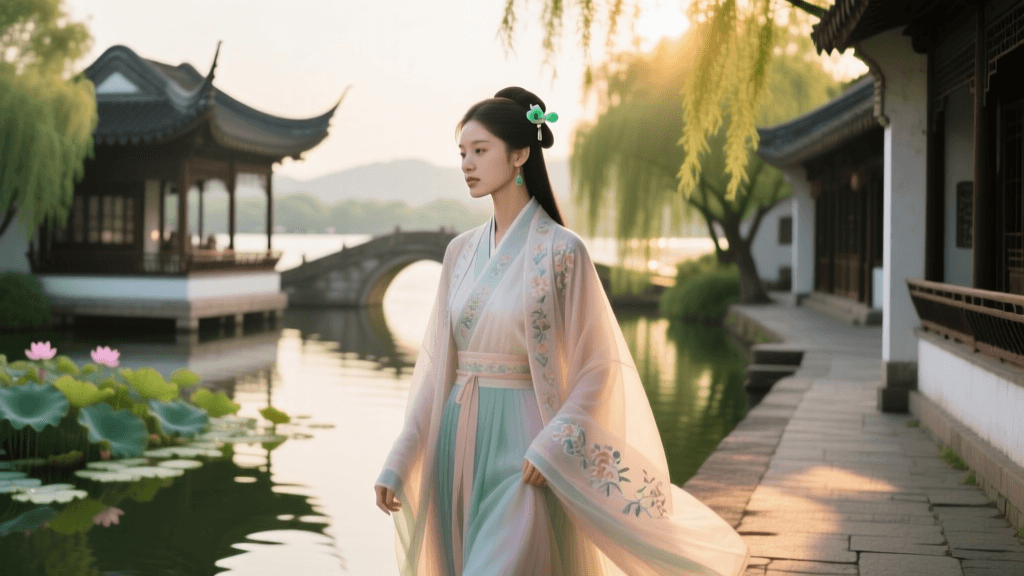
The Hanfu revival primarily focuses on three major dynastic aesthetics: Tang, Song, and Ming. Each offers a distinct silhouette, fabric preference, and seasonal suitability. The Metropolitan Museum of Art's extensive archives on Chinese silhouettes and textiles highlight how deeply regional and dynastic shifts influenced the drape and structure of these garments.
| Dynasty | Signature Piece | Silhouette & Vibe | Ideal Season | Est. Cost (USD) |
|---|---|---|---|---|
| Tang (618-907) | Qixiong Ruqun (Chest-high skirt) | Voluminous, opulent, romantic | Summer | $40 - $150 |
| Song (960-1279) | Beizi (Long coat) & Pleated Skirt | Slender, minimalist, intellectual | Spring/Autumn | $60 - $180 |
| Ming (1368-1644) | Mamianqun (Horse-face skirt) & Ao | Structured, regal, A-line | Autumn/Winter | $80 - $500+ |
Actionable Advice for Beginners
If you are building your first wardrobe, start with a Song Dynasty Beizi set for warm weather, or a Ming Dynasty Mamianqun for cooler months. The Ming horse-face skirt is incredibly versatile and can easily be paired with modern knitwear or blouses for a fusion 'Hanfu-lite' daily look.
Navigating the Market: Sourcing and the Taobao Ecosystem
The epicenter of the Hanfu market is Taobao, China's largest e-commerce platform. As reported by Reuters, the dedication of Hanfu fans has created a robust, specialized supply chain that operates differently from fast fashion.
Understanding 'Yushou' (The Pre-Order System)
Authentic Hanfu brands rarely hold large inventories. Instead, they utilize the Yushou (pre-sale) model to fund the weaving of custom brocades and small-batch tailoring. Here is how to navigate it:
- Deposit (Dingjin): You pay a non-refundable deposit (usually $10-$30) when the design is unveiled.
- Waiting Period: Production takes anywhere from 45 to 120 days, depending on the complexity of the weaving (e.g., real gold-leaf brocade takes months).
- Balance (Weikuan): Once the garments are finished, you pay the remaining balance before shipping.
Top Tier Brands to Watch
- Ming Huatang: The gold standard for Ming dynasty accuracy. Known for museum-grade replicas and luxurious fabrics. Price: $200 - $1,500+.
- Shisan Yu (Thirteen Yu): Excellent for beginners. They offer historically grounded Song and Ming designs with modern, wearable color palettes. Price: $50 - $150.
- Zhongling: Budget-friendly, everyday Hanfu with a focus on durable cotton and linen blends. Price: $30 - $80.
Mastering the Measurements: How to Order
Because Hanfu relies on flat cutting, Western sizing (S, M, L) is often inadequate. When ordering from Taobao or specialized international vendors, you will need to provide specific measurements. Keep a measuring tape handy and record the following in centimeters:
- Height & Weight: Used to determine the overall length and drape of the skirt.
- Bust & Waist: Crucial for the fit of the Ao (jacket) and the waistband of the skirt.
- Tongxiu (Wingspan): This is unique to traditional Chinese tailoring. It measures from the center back of the neck, over the shoulder, down to the desired cuff length. This ensures the iconic long sleeves cover the hands gracefully when arms are resting.
Pro Tip: When buying a Ming Dynasty Mamianqun, the waist measurement is less critical than the hip measurement, as the skirt is designed to sit flat against the hips and flare out via structured pleats. Always size up if you are between sizes to ensure the pleats do not pull open.
Styling and Accessorizing for Modern Wear
Integrating Hanfu into a contemporary lifestyle requires a balance of traditional respect and modern practicality. You do not need a full historical makeup and hair regimen to wear Hanfu authentically.
Footwear
Historically, Hanfu was worn with cloud-toe shoes (Yunxie) or flat cloth boots. Today, many enthusiasts pair Ming dynasty skirts with minimalist leather loafers, Mary Janes, or clean white sneakers. Avoid overly chunky or modern athletic shoes, as they disrupt the elegant vertical line of the garment.
Hair and Accessories
A simple half-up hairstyle secured with a single Zanzan (hair stick) made of wood, jade, or resin is sufficient for daily wear. For formal events, you might incorporate a Buyao (dangling hairpin) or a velvet flower (Ronghua) headpiece. Avoid plastic, mass-produced costume jewelry; opt for carved wood, brass, or freshwater pearls to maintain an elevated aesthetic.
Building Your First Wardrobe: A Step-by-Step Budget Plan
If you have a budget of $200 to start your Hanfu journey, here is the most practical allocation:
- The Foundation ($70): Purchase a versatile, solid-colored or subtly patterned Ming Dynasty Mamianqun in a mid-weight polyester-cotton blend. It is easy to wash, holds pleats well, and works year-round.
- The Top ($60): Invest in a Song Dynasty Beizi (long open-front coat) in a breathable linen or cotton blend. This can be worn over a modern camisole or a traditional inner shirt.
- Accessories ($40): Buy a set of traditional hairpins and a simple fabric waist sash.
- Shipping & Agents ($30): If buying directly from China via an agent like Superbuy or Wegobuy, allocate funds for international shipping and domestic transit.
Conclusion
The Hanfu Revival Movement is a testament to the enduring power of cultural memory. By understanding the structural philosophies of flat cutting, respecting the dynastic contexts, and navigating the modern pre-order market, you can build a wardrobe that is not only historically grounded but deeply personal. Whether you are attending a traditional tea ceremony, exploring a museum, or simply walking through a modern city park, wearing Hanfu is a profound way to carry centuries of Asian artistry into the present day.