Dressing the Divine: A Guide to Mythology-Inspired Hanfu
Bringing Ancient Legends to Life
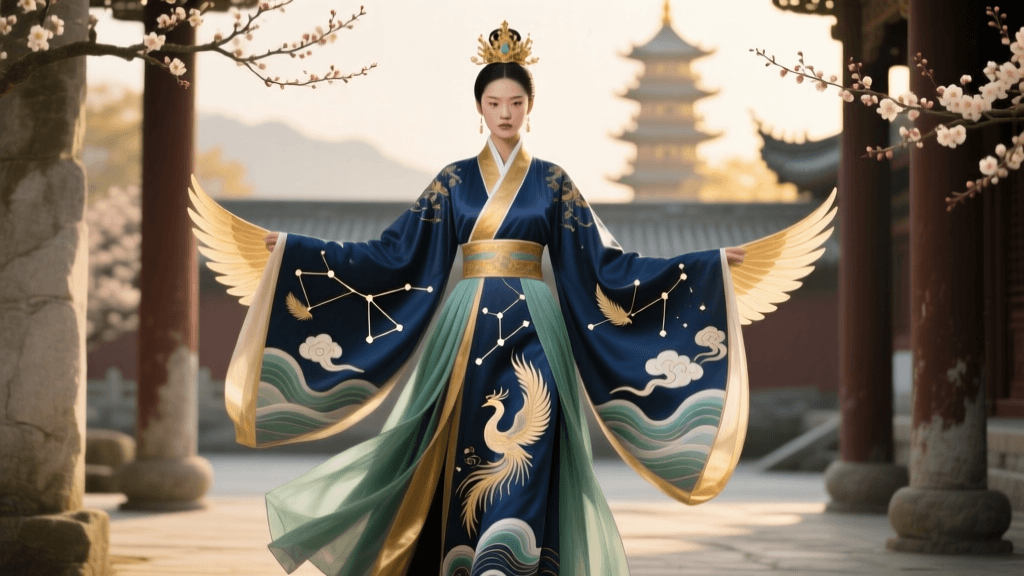
The intersection of Chinese mythology and modern fashion has given rise to one of the most visually stunning subgenres within the Hanfu movement: mythology-inspired traditional clothing. Drawing from ancient texts like the Shanhaijing (Classic of Mountains and Seas) and beloved epics like Journey to the West, enthusiasts and cosplayers are recreating the wardrobes of gods, demons, and celestial beings. This niche goes beyond historical accuracy, venturing into the realm of Xianxia (immortal heroes) and Shenhua (mythology), where garments are designed to evoke magic, flight, and divine authority.
Whether you are preparing for a cultural convention, a themed photoshoot, or a theatrical performance, dressing as a mythological figure requires a deep understanding of symbolic textiles, dramatic silhouettes, and specialized styling. This comprehensive guide will walk you through the practical steps of sourcing, sewing, and styling mythology-inspired Hanfu.
Decoding the Wardrobes of the Gods
Mythological figures in Chinese folklore are instantly recognizable by specific garment archetypes and color palettes. Unlike everyday historical Hanfu, deity garments prioritize dramatic movement, ethereal layering, and symbolic motifs. Below is a breakdown of popular mythological archetypes and their signature wardrobe elements.
| Mythological Figure | Archetype | Signature Garment | Modern Fabric Recommendation |
|---|---|---|---|
| Chang'e (Moon Goddess) | Celestial Deity | Pibo (Ribbon Scarf) & Qixiong Ruqun | Silk Organza, Pearl Chiffon |
| Sun Wukong (Monkey King) | Warrior Sage | Suoyizi Jia (Chainmail Armor) & Pheasant Feathers | Faux Leather, Metallic Brocade |
| Bai Suzhen (White Snake) | Spirit / Demon | Daxiushan (Large Sleeve Shirt) | Jacquard Silk, Heavy Satin |
| Ao Guang (Dragon King) | Water Deity | Mang Pao (Dragon Robe) & Guan (Crown) | Heavy Brocade, Gold Thread |
| Nine-Tailed Fox (Daji) | Yokai / Spirit | Ruqun with Faux Fur Trim & Layered Skirts | Crushed Velvet, Silk Charmeuse |
Sourcing and Sewing: Practical Advice for Mythic Garments
Creating a mythological Hanfu ensemble requires specific measurements and fabric yardage to achieve that otherworldly, gravity-defying look. If you are commissioning a tailor or sewing the garments yourself, keep these actionable metrics in mind:
1. The Ethereal Pibo (Ribbon Scarf)
The Pibo is essential for celestial maidens and immortals, designed to mimic the floating ribbons seen in Dunhuang cave murals.
- Measurements: For a dramatic, floor-sweeping effect, cut your Pibo to at least 300 cm in length and 30 cm in width.
- Hemming: Use a narrow rolled hem (2 mm) on chiffon or organza to prevent fraying while maintaining a lightweight drape.
- Draping Technique: Drape the center back over the nape of the neck, cross the ends over the chest, and let them hang over the inner elbows. Use a hidden safety pin at the waistband to secure it during active convention walking.
2. The Daxiushan (Large Sleeve Shirt)
Worn by high-ranking spirits and deities, the Daxiushan features massive, sweeping sleeves that create a silhouette of grandeur.
- Measurements: The sleeve wingspan should be a minimum of 150 cm (from wrist to wrist when arms are extended). The sleeve opening should be at least 60 cm wide.
- Fabric Yardage: You will need approximately 5 to 6 yards of fabric, depending on the width of the bolt.
- Lining: Because mythological garments often feature contrasting colors, line the sleeves with a complementary satin. For example, a white outer shell with a deep crimson lining mimics the White Snake Spirit's dual nature.
Budgeting for Your Ensemble
Costs can vary wildly based on your sourcing method. Off-the-rack Xianxia-style Hanfu from platforms like Taobao or AliExpress typically range from $40 to $90. However, these often use cheap polyester that lacks the divine sheen required for high-quality cosplay. For custom-tailored garments using genuine silk brocade or high-grade jacquard, expect to budget between $250 and $500. A middle-ground approach is to buy base garments off-the-rack and spend $50 to $100 upgrading the accessories and adding custom embroidery patches.
Textiles that Transcend: Choosing the Right Fabrics
The illusion of divinity relies heavily on how fabric interacts with light and wind. The intricate techniques required to mimic these heavenly textiles are rooted in centuries of sericulture. As recognized by UNESCO's Intangible Cultural Heritage list, Chinese silk craftsmanship involves complex weaving and dyeing processes that modern Hanfu makers often strive to replicate using jacquard looms and synthetic blends.
'To dress as an immortal is to wear the clouds and the wind. The fabric must not merely cover the body; it must extend the spirit into the space around it.' — Modern Xianxia Tailoring Proverb
When selecting textiles, avoid matte cottons or heavy linens. Instead, opt for:
- Silk Organza: Stiff, sheer, and highly reflective. Perfect for outer layers, Pibo scarves, and creating structural volume without weight.
- Jacquard Brocade: Ideal for armor bases, bodices, and dragon robes. The raised metallic threads catch convention lighting beautifully.
- Pearl Chiffon: A modern synthetic that mimics the iridescent sheen of a pearl. Excellent for layered skirts where you want translucency and movement.
The flowing silhouettes seen on celestial maidens in ancient murals heavily influence today's mythology-inspired Hanfu. The Metropolitan Museum of Art notes that Chinese silk has been a cornerstone of cultural expression and trade for millennia, allowing for the creation of lightweight, translucent fabrics that give the illusion of flight. Emulating this historical mastery of lightweight textiles is the key to a successful mythological cosplay.
Styling, Hair, and Makeup for Deities
A mythological garment is incomplete without the accompanying crown, hairpieces, and ethereal makeup. Historical Hanfu hairstyles were complex, but mythological styling allows for exaggerated, fantasy-driven interpretations.
Hair Accessories (Toumian)
Deities and spirits are often depicted wearing elaborate Guan (crowns) or cascading Buyao (dangling hairpins).
- The Dragon King's Crown: Look for resin or lightweight metal crowns featuring the Long (dragon) motif. When recreating the armor or robes of dragon deities, understanding the cultural weight of the dragon is essential. According to Encyclopedia Britannica, the Chinese dragon represents potent and auspicious powers, particularly control over water and weather, which is why dragon-motif robes and crowns heavily utilize deep blues, jade greens, and metallic golds.
- Securing Heavy Pieces: Use U-shaped hairpins and a sturdy wig cap. If using your natural hair, create a structural base using hair donuts and braids before pinning the heavy metal or resin pieces.
Ethereal Makeup
Mythological makeup often features Huadian (forehead decals) and Dianchun (lip and cheek accents).
- Huadian Application: Instead of painting the forehead decal, use spirit gum to apply pre-cut gold leaf or rhinestone decals. This catches the light better in photography and lasts longer during sweaty convention days.
- Eye Styling: Use white or gold eyeliner in the inner corners and extend the outer wing sharply upward to mimic the fierce, alluring gaze of spirits like the Nine-Tailed Fox.
Navigating Conventions in Celestial Garb
Wearing a five-layer Xianxia Hanfu ensemble at a crowded comic convention or cultural festival presents unique logistical challenges. The sweeping sleeves and floor-length skirts that look majestic in a photoshoot can become hazardous in a crowded exhibit hall.
Survival Tips for Mythological Cosplayers
- Skirt Clips and Bustles: Invest in specialized cosplay skirt clips or use a hidden waist chain to temporarily hitch up the back of your skirt when navigating stairs or escalators.
- Sleeve Management: For Daxiushan sleeves, sew a hidden, clear elastic loop inside the sleeve opening. Slip your middle finger through the loop to keep the fabric from dragging on the ground or dipping into food.
- Anti-Slip Spray: Silk and chiffon Pibo scarves will constantly slide off your shoulders. Apply a light mist of anti-slip spray (used for strapless dresses) to the inside of the scarf where it rests on your collarbone.
- Hydration and Cooling: Layering jacquard and organza traps body heat. Wear a moisture-wicking, skin-toned compression shirt underneath your base layer, and bring a portable neck fan disguised within your garments.
Conclusion
Dressing in mythology-inspired Hanfu is more than just cosplay; it is a vibrant, wearable homage to the rich tapestry of Chinese folklore. By understanding the historical roots of silk weaving, adhering to the dramatic measurements of celestial garments, and mastering the art of ethereal styling, you can step out of the mortal realm and bring the legends of the Shanhaijing to life. Whether you are embodying the serene grace of the Moon Goddess or the fierce power of the Dragon King, the right textiles and techniques will ensure your divine presence is felt the moment you enter the room.