The Hanfu Revival Movement: A Practical Guide to Modern Styling
The Rise of the Hanfu Revival Movement
Over the past two decades, the Hanfu revival movement has transformed from a niche internet subculture into a mainstream cultural phenomenon across China and the global diaspora. Driven primarily by Generation Z and Millennials, this movement is not merely about historical reenactment; it is a dynamic reclamation of Han Chinese identity, aesthetics, and sartorial heritage. According to industry reports, the Hanfu market has exploded in value, with millions of young consumers integrating these traditional garments into their daily wardrobes, university life, and professional environments. As noted by BBC News, the movement represents a profound shift in how young Chinese people connect with their pre-Qing dynasty history, viewing Hanfu not as a static museum relic, but as a living, breathing fashion statement.
For those looking to participate in the Hanfu revival movement, navigating the vast array of historical eras, garment structures, and modern manufacturing standards can be overwhelming. This practical guide provides actionable advice on sourcing, styling, and wearing Hanfu in the modern world, ensuring that your transition into traditional dress is both culturally respectful and seamlessly integrated into contemporary life.
Core Wardrobe Essentials: Choosing Your First Hanfu
When building a modern Hanfu wardrobe, it is essential to understand the distinct silhouettes of different dynasties. The revival community generally categorizes everyday wear into three highly popular styles, each offering unique benefits for modern living.
1. Ming Dynasty Mamianqun (Horse-Face Skirt)
The Mamianqun is arguably the most versatile and popular garment in the modern Hanfu revival. Characterized by its flat front and back panels with pleated sides, it closely resembles a modern midi or maxi skirt, making it incredibly easy to pair with contemporary blouses, knitwear, or traditional Ao (jackets).
- Measurements: For a standard height of 165cm (5'5'), look for a skirt length of 105cm to 110cm to ensure it grazes the ankle without dragging. The waistband is typically 6cm to 8cm wide.
- Fabrics: For winter, opt for heavy jacquard or wool blends. For summer, lightweight chiffon or Xiangyunsha (gambiered Canton gauze) provides breathability and a luxurious rustling sound.
- Pleat Width: Modern manufacturers offer pleat widths ranging from 2cm to 5cm. A 3cm pleat offers the best balance of volume and structure for daily commuting.
2. Song Dynasty Beizi (Long Jacket) and Baidiequn
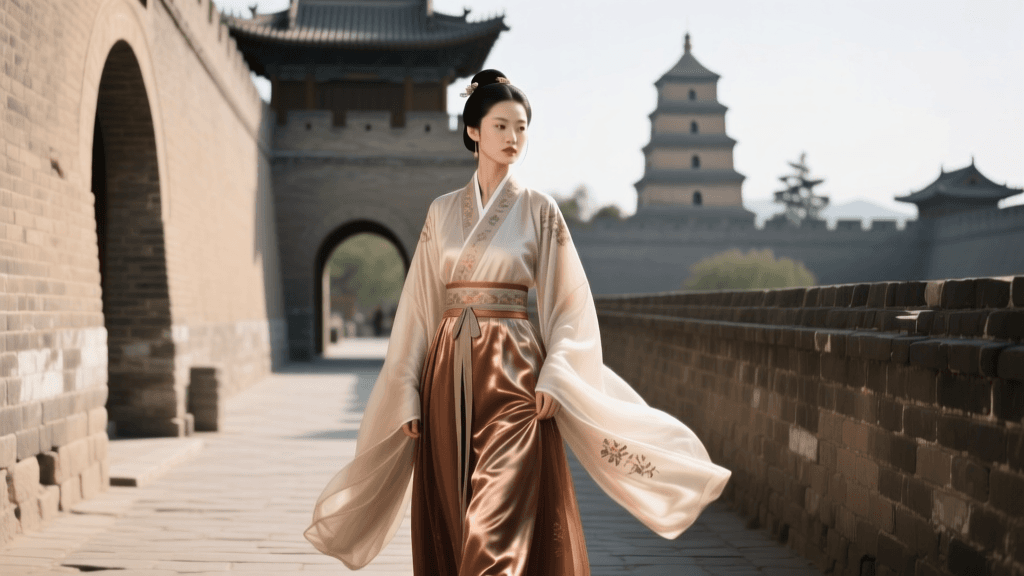
The Song Dynasty aesthetic is revered for its minimalism, slender silhouettes, and understated elegance. The Beizi is a long, open-front jacket with side slits that reach the mid-thigh or knee, usually worn over a camisole and a pleated Baidiequn (hundred-pleat skirt).
- Measurements: The Beizi should fall just below the knees. Sleeve widths are traditionally narrow (around 15cm to 20cm at the cuff), making it highly practical for typing, cooking, and office work.
- Styling: This style is perfect for spring and autumn. It layers beautifully over modern turtlenecks in cooler weather.
3. Tang Dynasty Qixiong Ruqun (Chest-High Skirt)
Known for its romantic, flowing silhouette, the Qixiong Ruqun features a skirt tied high across the chest, paired with a short-sleeved or long-sleeved Shan (blouse). While visually stunning, it is less practical for rigorous daily activity due to the risk of the skirt slipping.
- Actionable Tip: To prevent wardrobe malfunctions, modern revivalists use anti-slip silicone grips sewn into the inner waistband or wear a modern strapless bra with high friction. Always tie the ribbons using a secure double-knot at the side rather than the front.
Sourcing and Budgeting: Where to Buy Authentic Hanfu
The epicenter of the Hanfu market is Taobao, where thousands of specialized brands operate. Understanding the tier system is crucial for balancing quality, historical accuracy, and budget. As highlighted by Sixth Tone, the commercialization of Hanfu has led to a sophisticated supply chain that caters to both casual enthusiasts and strict historical purists.
Brand Tiers and Pricing
- Premium / Historical Accuracy (e.g., Minghuatang, Zijing): Prices range from $150 to over $500 USD per garment. These brands invest heavily in textile research, utilizing real gold-woven threads (Zhijin), authentic loom widths, and meticulous historical patterning. Expect to wait 30 to 45 days for production, as items are often made-to-order.
- Mid-Tier / Everyday Wear (e.g., Shisanyu, Lanzhuo): Priced between $50 and $120 USD. These brands offer excellent durability, machine-washable fabrics, and modernized sizing that accommodates contemporary body types. They are the best entry point for serious beginners.
- Budget / Fast Fashion (e.g., Chuanhua, various Taobao indie shops): Priced from $20 to $50 USD. While affordable and visually appealing for photography, the fabrics are often synthetic (polyester), and the historical patterning may be inaccurate or mixed with fantasy elements.
Timing Your Purchases
To maximize your budget, align your purchases with China's major e-commerce festivals. The 618 Shopping Festival (mid-June) and Double 11 (November 11th) offer the steepest discounts, often including cross-store满减 (spend-and-save) coupons that can reduce your total cart cost by 15% to 20%. Additionally, many brands release exclusive seasonal collections around the Spring Festival and Mid-Autumn Festival.
Comparison Chart: Hanfu Styles for Beginners
| Dynasty / Style | Silhouette & Vibe | Wearability & Comfort | Avg. Cost (Mid-Tier) | Best Season |
|---|---|---|---|---|
| Ming Mamianqun | Structured, elegant, A-line | High (easy to mix with modern tops) | $60 - $120 | Autumn / Winter |
| Song Beizi Set | Slender, minimalist, layered | Very High (narrow sleeves, light) | $45 - $90 | Spring / Autumn |
| Tang Qixiong | Romantic, voluminous, flowing | Moderate (requires secure tying) | $40 - $85 | Summer |
Accessorizing: Completing the Modern Hanfu Look
A successful Hanfu outfit relies heavily on accessories to bridge the gap between historical dress and modern aesthetics. You do not need to undergo a two-hour historical hair styling session to participate in the revival movement.
Hair and Headwear
For daily wear, a simple low bun secured with a modern claw clip and accented with a single Zanzi (hair stick) made of sandalwood, jade, or resin is perfectly acceptable within the community. For more formal outings, consider a Guan (crown) or a velvet scrunchie designed to mimic traditional silk ribbons. Avoid overly elaborate, wired hairpieces for commuting, as they can catch on doors and public transit seats.
Footwear
Historically, Hanfu was worn with cloth boots or straw sandals. Today, the revival community embraces practicality. Leather Mary Janes, embroidered canvas slip-ons, and even clean, minimalist white sneakers are widely accepted for everyday street style. If you prefer traditional aesthetics, look for Qiaotou shoes (upturned toe shoes) made with modern rubber soles for arch support and durability on concrete pavements.
Bags and Carrying Essentials
Traditional Hanfu lacks deep, secure pockets. To carry a smartphone, keys, and wallet, invest in a modernized Hebao (drawstring pouch) or a small, structured leather crossbody bag. Woven bamboo or rattan handbags also complement the natural textures of Hanfu fabrics beautifully.
Navigating Cultural Etiquette and Modern Integration
The Hanfu revival movement is deeply rooted in respect for the culture. As Reuters reported, the visibility of Hanfu in public spaces has normalized the garments, but certain etiquettes remain important to practitioners.
- The Left-Over-Right Rule: The most critical rule in Hanfu is the Jiaoling Youren (intersecting collar, right lapel). The left side of the collar must always cross over the right side. Reversing this (left lapel under right) is traditionally reserved for the deceased and is considered highly inauspicious.
- Posture and Movement: While you do not need to walk in a stylized, theatrical manner, be mindful of your sleeves. For garments with wide sleeves (Daxiushan), practice folding your hands in front of your waist or gently resting them on your lap when sitting to avoid knocking over drinks or dipping sleeves into food.
- Handling Public Attention: Wearing Hanfu in Western countries or non-tourist areas will inevitably draw stares and compliments. View this as an educational opportunity. Many revivalists carry a small card or have a digital photo album on their phone ready to explain the dynasty, the fabric, and the history of their outfit to curious onlookers.
Ultimately, the Hanfu revival movement is about personal connection to heritage. Whether you are wearing a meticulously researched Ming Dynasty jacket to a corporate meeting or a lightweight Song Dynasty skirt for a weekend coffee run, the goal is to make these ancient textiles a vibrant, functional part of your modern life.