The Hanfu Revival: Building Your First Authentic Wardrobe
The Roots of the Hanfu Revival Movement
Over the past two decades, the streets of China’s major cities—and increasingly, global cultural festivals—have witnessed a vibrant sartorial renaissance. The Hanfu revival movement, or Hanfu Yundong, is not merely a fleeting fashion trend; it is a profound cultural awakening. Driven by a younger generation seeking to reconnect with their pre-Qing dynasty heritage, this movement has transformed traditional Han Chinese clothing from museum relics into living, breathing everyday wear. According to a comprehensive analysis by Sixth Tone, the Hanfu market has exploded into a multi-billion-yuan industry, fueled by social media platforms like Douyin and a growing sense of cultural confidence known as guochao (national trend).
The modern movement traces its roots back to 2003, when a man named Wang Letian walked the streets of Zhengzhou wearing a self-made traditional Han Chinese robe, an act that sparked intense online debate and eventually galvanized a community of historians, tailors, and enthusiasts. Today, navigating the nuances of historical accuracy, modern manufacturing, and proper styling can be daunting for newcomers. This guide provides actionable, practical advice for building your first authentic Hanfu wardrobe, complete with sizing metrics, budgeting tips, and dynasty-specific recommendations.
Choosing Your Dynasty: A Style Comparison
Hanfu is not a monolith; it encompasses thousands of years of evolution, regional variations, and class distinctions. When building a wardrobe, it is essential to understand the distinct silhouettes of different dynasties. The Tang, Song, and Ming dynasties offer the most accessible and well-documented styles for modern wearers, each with its own unique aesthetic and practical use case.
| Dynasty | Key Garment | Silhouette & Vibe | Estimated Cost (USD) | Best For |
|---|---|---|---|---|
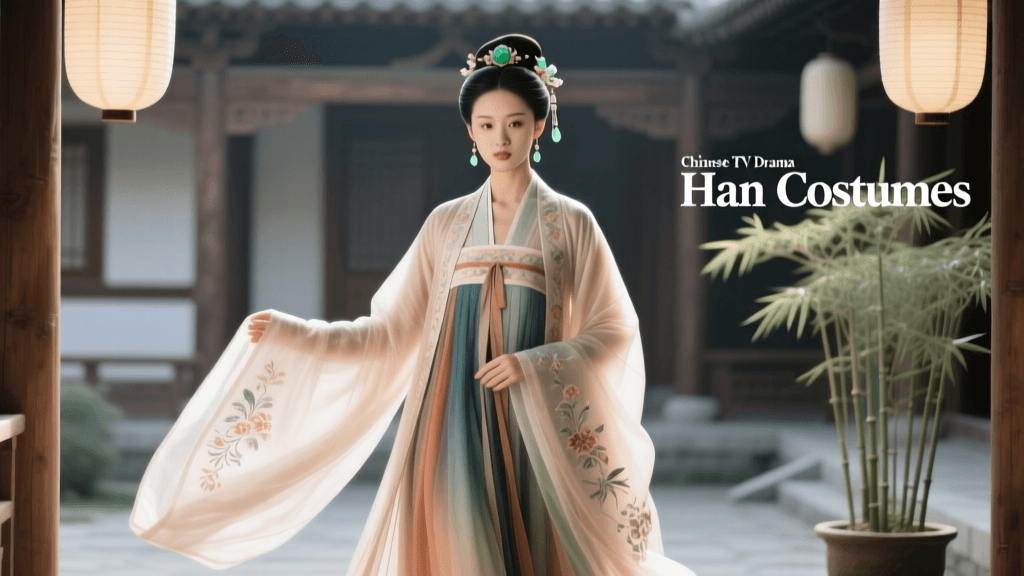
| Tang (618–907) | Qixiong Ruqun | High-waisted, voluminous, romantic | $40 - $120 | Summer, photography, festivals |
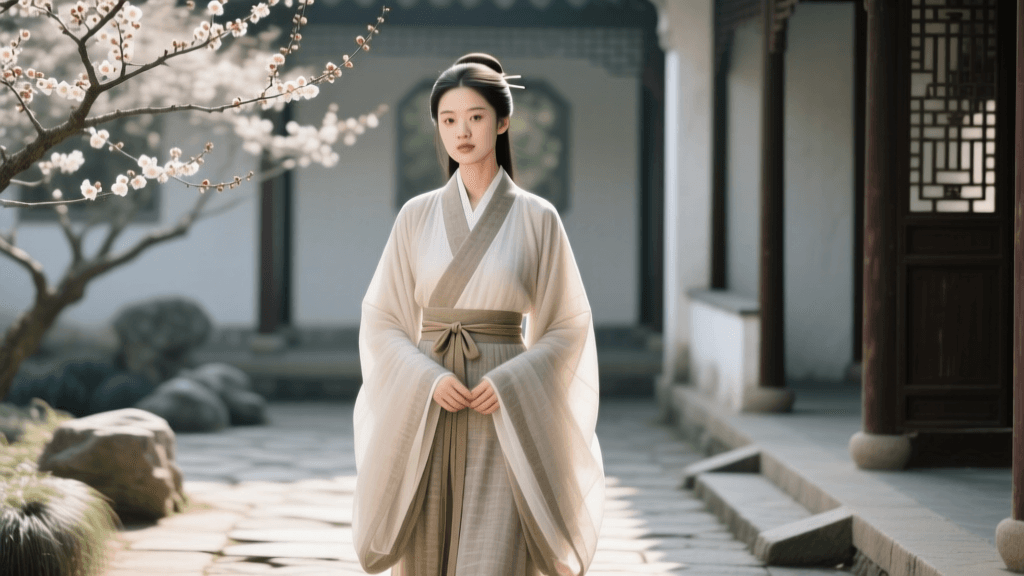
| Song (960–1279) | Beizi & Moqun | Slender, minimalist, elegant | $50 - $150 | Daily wear, office, layering |
| Ming (1368–1644) | Aoqun & Pifeng | Structured, dignified, heavily layered | $80 - $300+ | Winter, formal events, ceremonies |
For a beginner, the Song Dynasty Beizi (a long, open-front coat) paired with a pleated skirt (Moqun) is highly recommended. It closely resembles a modern duster or cardigan, making it incredibly easy to integrate into contemporary wardrobes without looking costumey. The clean lines and subtle embroidery of Song-style garments make them perfect for daily wear, tea ceremonies, or even professional environments when styled modestly.
Practical Sizing: The Art of Flat Cutting
One of the most common mistakes newcomers make is applying Western tailoring logic to Hanfu. Traditional Chinese garments utilize flat cutting (平面剪裁), meaning the fabric is cut in straight lines and relies on wrapping, tying, and layering to conform to the body, rather than darts, zippers, and tailored seams.
How to Measure for Hanfu
Forget your standard Western dress size. When ordering from Taobao, independent artisans, or international proxy sellers, you will need the following specific measurements:
- Arm Span (通袖长): Measure from the tip of one middle finger, across the back of the neck, to the tip of the other middle finger. This is crucial for Ming dynasty garments with extended sleeves (琵琶袖) to ensure the fabric drapes correctly at the wrist.
- Upper Chest (胸围): Measure around the fullest part of the bust, but add 10-15 cm for ease. Flat-cut tops require extra fabric to wrap securely across the chest without pulling or gaping.
- Waist to Floor (裙长): Measure from your natural waist (or where you intend to tie the skirt) down to your ankle or floor, depending on your preference and the heel height of the shoes you will wear.
Pro Tip: Always size up for the top (Shan or Ao). A traditional Hanfu collar should lie flat against the collarbone without choking the neck. If the chest measurement is too tight, the iconic cross-collar (交领) will gape open, breaking the traditional silhouette and exposing undergarments.
Fabric Selection for Modern Climates
Historical accuracy must often be balanced with modern comfort. While ancient nobility wore heavy silks and brocades, modern enthusiasts have a wider array of textile choices. For summer wear, look for ramie (苎麻) or linen blends. These natural fibers are highly breathable and provide a beautiful, slightly textured drape that mimics historical Song dynasty garments. Avoid cheap, shiny polyester satin, which traps heat and looks overly theatrical.
For winter and formal wear, woven jacquard (织金) and velvet are excellent choices. Ming dynasty Aoqun often feature intricate metallic woven patterns. When purchasing jacquard, check the fabric weight; a good quality winter skirt should weigh between 800g and 1200g to ensure it holds its pleats and provides adequate warmth.
Budgeting and Sourcing Authentic Pieces
The Hanfu market is vast, ranging from cheap, mass-produced costumes to meticulously researched, museum-grade replicas. As noted by the South China Morning Post, the surge in demand has led to a boom in specialized e-commerce brands that balance historical accuracy with modern manufacturing techniques, primarily operating out of hubs like Chengdu and Guangzhou.
Recommended Brands by Tier
- Entry-Level ($30 - $70): Shisanyu (十三余) and Han Shang Hua Teng. These brands focus on highly stylized, romanticized designs often inspired by video games and dramas. They are excellent for beginners and photography, though purists may note deviations from strict historical patterns.
- Mid-Tier ($80 - $180): Zhong Ling (钟灵记) and Luo Han Gu. These shops offer excellent fabric choices and adhere much more closely to historical garment structures, utilizing proper flat-cutting techniques and historically accurate collar proportions.
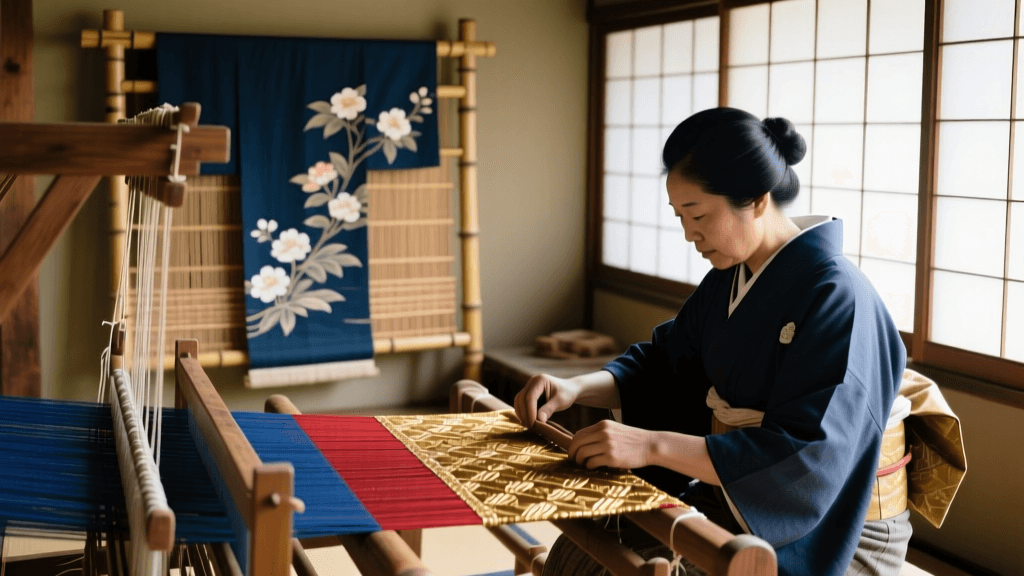
- High-End / Museum Grade ($250+): Minghuatang (明华堂). The gold standard for Ming dynasty Hanfu. They use authentic weaving techniques, real gold threads, and precise historical tailoring based on extant tomb artifacts. Be prepared for wait times of 6 to 12 months for custom pre-orders.
Essential Undergarments, Accessories, and Care
A beautiful Hanfu outer layer will fall flat without the proper foundational garments and accessories. The revival movement places heavy emphasis on the complete silhouette, from the innermost layers to the hair.
The Foundation: Zhongyi and Zhongku
Never wear Hanfu directly against the skin, especially if it is made of delicate silk or dry-clean-only brocade. You must invest in a Zhongyi (middle garment), which is a lightweight, usually white cotton or linen cross-collar top. This protects the outer garment from sweat and provides a crisp, white collar line that peeks out from the neckline—a hallmark of proper, layered Hanfu styling. Pair this with Zhongku (traditional wide-leg trousers) to wear beneath your skirt for modesty, especially on windy days.
Footwear: Cloud Shoes and Boots
Modern sneakers can clash with the drape of a traditional skirt. Look for Qiaotou Lu (翘头履), traditional upturned-toe shoes often embroidered with floral motifs. They cost between $20 and $50 on platforms like Taobao and AliExpress. The upturned toe historically served to hold the hem of long skirts, preventing tripping. For Ming dynasty winter wear, short leather or cloth boots are historically accurate and highly practical for modern city walking.
Garment Care and Storage
Proper maintenance is crucial for preserving the structural integrity of flat-cut garments. Always hand-wash cotton and linen pieces in cold water with a neutral pH detergent. Never wring out pleated Ming dynasty skirts (Mamianqun); instead, gently press the water out with a towel and hang them to dry using a skirt hanger with clips to maintain the knife pleats. Iron on a low setting with a pressing cloth to avoid scorching metallic jacquard threads.
Embracing the Culture Responsibly
The Hanfu revival is deeply tied to cultural identity, historical respect, and the preservation of intangible cultural heritage. As the movement grows globally, it offers a beautiful opportunity for cross-cultural appreciation. When purchasing, prioritize brands that credit their historical sources, support traditional weavers, and respect the craftsmanship of Chinese textiles. According to cultural researchers highlighted in Reuters, the modern Hanfu community is highly educated, often referencing ancient murals, tomb artifacts, and historical texts to ensure their garments are respectful and accurate.
Building a Hanfu wardrobe is a journey of discovery. Start with a versatile Song dynasty set, master the art of the cross-collar wrap, and slowly expand your collection as you delve deeper into the rich tapestry of Asian traditions. Whether you are walking through a modern metropolis, attending a cultural festival, or simply enjoying a quiet tea ceremony, wearing Hanfu is a powerful, tactile way to keep history alive, one stitch at a time.