Hanfu Travel Guide 2026: Packing Tips & Top Asian Destinations
The Rise of Hanfu Tourism in 2026
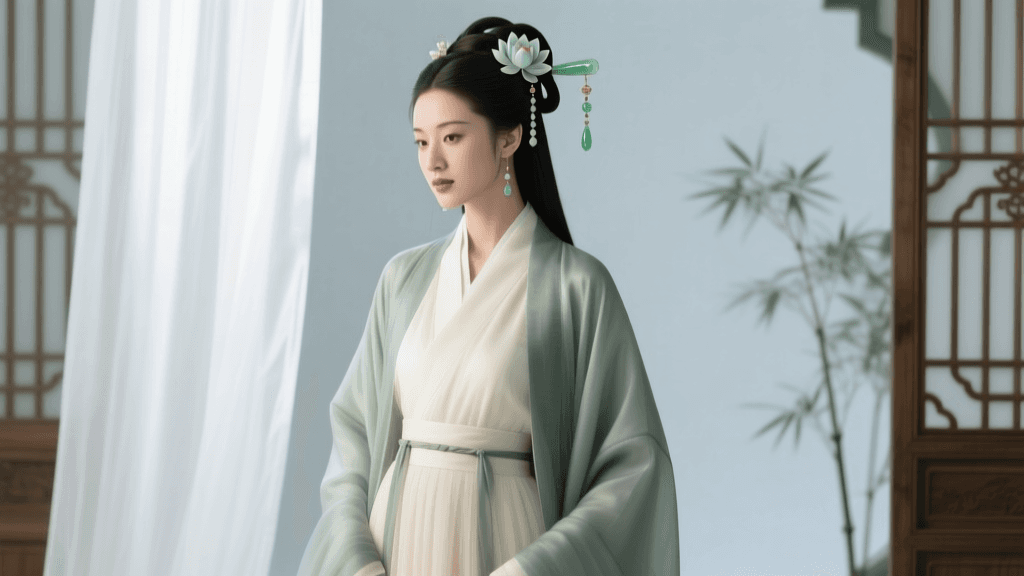
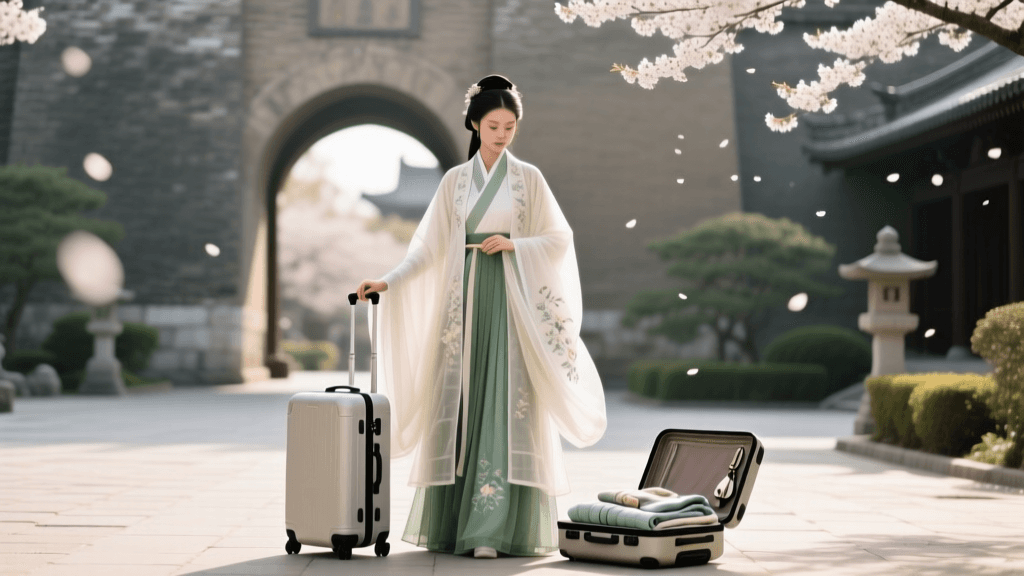
The global resurgence of traditional Chinese clothing has fundamentally transformed how enthusiasts explore Asia. What began as a niche historical interest has blossomed into a vibrant cultural movement, and as of 2026, traveling with Hanfu is a dedicated tourism niche. From the bustling night markets of Xi'an to the serene temple gardens of Kyoto, travelers are increasingly packing their luggage with flowing silks, intricate brocades, and meticulously pleated skirts to capture breathtaking photography and engage in deep cultural immersion.
However, traveling with traditional garments presents unique logistical challenges. Silk wrinkles, pleats lose their shape, and elaborate hair accessories can easily be crushed in a standard suitcase. This comprehensive 2026 guide provides actionable packing strategies, fabric care tips, and a curated list of the best Asian destinations for Hanfu enthusiasts this year.
Essential Hanfu Packing Guide for Travelers
Packing Hanfu requires a departure from standard rolling or folding techniques. The structural integrity of garments like the Mamianqun (horse-face skirt) and the delicate nature of silk Shan (upper garments) demand specialized care. In 2026, the integration of advanced travel gear and traditional textile preservation methods has made packing easier than ever.
Fabric Selection and Wrinkle Prevention
When curating your travel wardrobe, prioritize wrinkle-resistant fabrics. While pure mulberry silk is luxurious, it is notoriously difficult to maintain on the road. Instead, look for modern Hanfu crafted from high-quality polyester-silk blends, textured crepe, or heavy jacquard brocades. These materials drape beautifully, resist deep creasing, and can often be refreshed with a quick steam from a portable travel steamer.
For your most delicate, pure-silk pieces, utilize the 'bundle wrapping' technique. Lay the garment flat, place a core of soft clothing (like a rolled cotton t-shirt) in the center, and gently wrap the silk around it. This prevents hard fold lines. Always separate layers with acid-free tissue paper to prevent dye transfer and reduce friction.
The Ultimate 2026 Hanfu Travel Packing List
Investing in the right luggage organization tools is critical. The latest compression packing cubes designed specifically for delicate garments are a game-changer for Hanfu travelers. Below is a structured packing matrix to help you organize your traditional wardrobe efficiently.
| Garment / Accessory | Purpose & Context | Recommended Packing Method | Essential 2026 Gear |
|---|---|---|---|
| Mamianqun (Horse-face Skirt) | Versatile Ming Dynasty staple; excellent for walking and photography. | Fold strictly along existing pleat lines; secure with silk ribbons. | Rigid garment folder with velvet lining. |
| Zhongyi (Inner Garment) | Base layer to protect outer silks from sweat and oils. | Standard roll method to save space and prevent stretching. | Mesh compression packing cubes. |
| Pibo (Silk Scarf/Shawl) | Tang Dynasty aesthetic; adds movement to wind-swept photos. | Loose coil method; never fold tightly. | Zippered waterproof accessory pouch. |
| Hair Accessories (Guan/Zan) | Essential for completing the historical silhouette. | Wrap individually in microfiber cloths to prevent tarnishing. | Hard-shell EVA jewelry case. |
| Cloud Shoes (Yunxie) | Traditional embroidered footwear. | Stuff with tissue to maintain shape; place in shoe bags. | Silica gel packs to prevent moisture damage. |
Top 2026 Destinations for Hanfu Photography & Immersion
Choosing the right destination is just as important as packing the right garments. The following locations offer unparalleled historical resonance, supportive local infrastructure for traditional dress, and stunning backdrops for your 2026 travel journal.
Xi'an, China: The Tang Dynasty Dream
Xi'an remains the undisputed epicenter of Hanfu tourism. As the ancient starting point of the Silk Road, the city's architecture and atmosphere are perfectly suited for the opulent, wide-sleeved silhouettes of Tang Dynasty Hanfu. In 2026, the expanded 144-hour visa-free transit policies have made it incredibly accessible for international travelers to experience the city without the hassle of a full tourist visa.
The Datang Everbright City is a must-visit. This sprawling pedestrian district comes alive at night with lantern-lit streets, traditional music, and thousands of locals and tourists wearing Hanfu. For a more serene photography session, visit the Xi'an City Wall at sunrise. The wide, flat ramparts provide a dramatic, unobstructed backdrop for flowing skirts and Pibo scarves catching the morning breeze.
Kyoto, Japan: Cross-Cultural Silk Road Echoes
While Kyoto is globally renowned for the Kimono, it also holds deep historical connections to Chinese textile traditions. According to the UNESCO Silk Roads Programme, the maritime and overland routes facilitated a massive exchange of weaving techniques, dyes, and aesthetic philosophies between Tang Dynasty China and Nara/Heian Japan. Wearing Hanfu in Kyoto is a beautiful way to honor this ancient cross-cultural dialogue.
For Hanfu photography in Kyoto, avoid the crowded streets of Higashiyama during peak hours. Instead, head to Daigo-ji Temple or the moss gardens of Yoshimine-dera. The natural, untamed beauty of these locations complements the elegant drape of Song Dynasty Hanfu styles. Travelers should be mindful to respect local customs, ensuring that wearing Hanfu is framed as an appreciation of shared Silk Road heritage rather than a disruption of local traditional dress practices.
Gyeongju, South Korea: Ancient Silla Connections
Gyeongju, the ancient capital of the Silla Kingdom, is an often-overlooked gem for Hanfu travelers. The Silla Dynasty maintained robust trade and diplomatic relations with Tang China, leading to significant exchanges in fashion and textiles. The Metropolitan Museum of Art's Heilbrunn Timeline of Art History notes that the Silk Road was not merely a conduit for goods, but a vital artery for the transmission of artistic motifs, including the floral and geometric patterns found in both Chinese and Korean historical garments.
Wearing Hanfu amidst the ancient burial mounds of Daereungwon or the stone pagodas of Bulguksa Temple creates a visually striking narrative of East Asian historical interconnectedness. The local tourism board in 2026 has also introduced several heritage trails specifically designed for traditional dress photography, offering designated changing areas and secure luggage storage near major historical sites.
Xin Zhongshi: The Modern Transit Wardrobe
While full traditional Hanfu is perfect for destination photography, navigating airports, high-speed rail stations, and crowded transit hubs requires a more practical approach. This is where the Xin Zhongshi (New Chinese Style) movement becomes an essential part of your travel strategy.
Xin Zhongshi blends traditional Chinese design elements—such as the crossed collar (jiaoling), frog button closures, and Song-style color palettes—with modern, travel-friendly fabrics and silhouettes. For transit days in 2026, pack a Xin Zhongshi linen jacket paired with tailored, wide-leg trousers. This allows you to maintain a cultural aesthetic while enjoying the freedom of movement, deep pockets, and wrinkle resistance required for modern travel. It is the perfect bridge between your daily life and your historical immersion.
Navigating Cultural Etiquette and Respect
As Hanfu tourism grows globally, so does the responsibility to wear these garments with cultural literacy. When traveling internationally, it is vital to understand the distinction between Hanfu and the traditional dress of your host country. Never attempt to pass off Hanfu as local traditional dress (such as the Korean Hanbok or Japanese Kimono), and avoid mixing garments from different cultural traditions in a single outfit, as this can be viewed as culturally insensitive.
Furthermore, ensure your Hanfu is worn correctly. The 'left over right' collar rule (zuoren vs youren) is a fundamental aspect of Hanfu etiquette, with the left lapel crossing over the right for the living. Taking the time to learn proper layering, belt tying, and historical context not only elevates your photography but also demonstrates a deep, respectful engagement with Asian traditions.
Conclusion
Traveling with Hanfu in 2026 is a rewarding endeavor that bridges the gap between ancient artistry and modern exploration. By utilizing smart packing techniques, embracing the practicality of Xin Zhongshi for transit, and choosing destinations rich in Silk Road heritage, you can transform your next Asian vacation into a profound cultural journey. Pack your silks, respect the history, and step into the past.