Traveling With Hanfu In 2026: Packing Tips & Top Destinations
The 2026 Hanfu Travel Renaissance
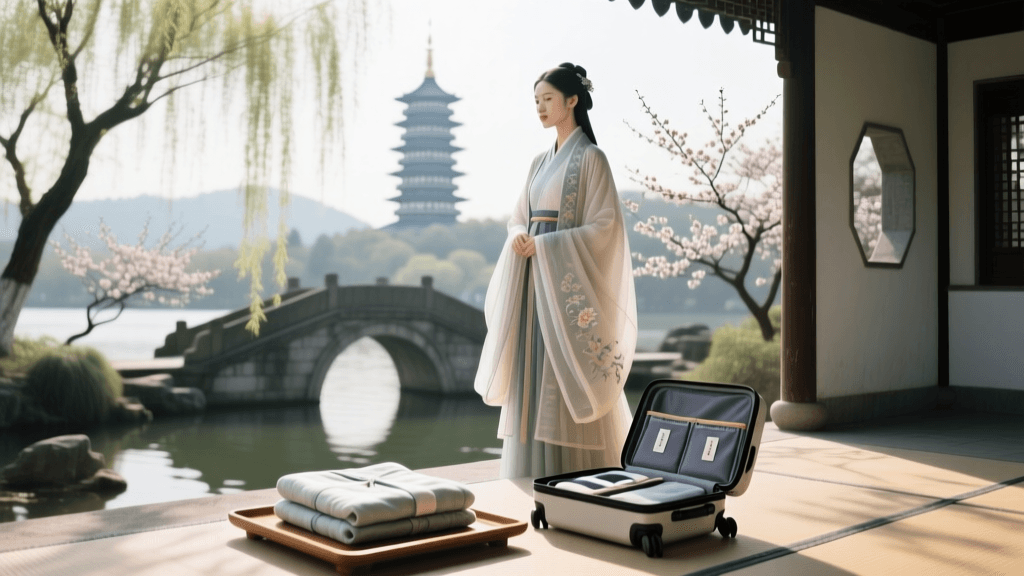
As we navigate through 2026, the global fascination with traditional Chinese garments has evolved from a niche hobby into a mainstream cultural movement. The integration of the Xin Zhongshi (new Chinese style) aesthetic into everyday travel has made packing and wearing Hanfu an essential part of the modern Asian heritage tourism experience. Whether you are embarking on a high-speed rail journey through China's ancient capitals or attending an international cultural exchange festival, traveling with delicate silks, structured brocades, and intricate accessories requires strategic planning. This comprehensive guide provides actionable packing techniques and highlights the premier destinations for Hanfu photography and cultural immersion in 2026.
Strategic Packing: Preserving Silk and Brocade on the Move
The most significant challenge when traveling with Hanfu is preventing deep-set wrinkles in natural fibers like silk, linen, and raw ramie, while also protecting the structured pleats of garments like the Mamianqun (horse-face skirt). In 2026, travelers are moving away from traditional folding methods and adopting specialized textile preservation techniques on the road.
The Tissue-Stuffing Method for Voluminous Sleeves
Garments with wide, flowing sleeves, such as the Daxiushan or Pibo, are prone to harsh creasing at the joints. To prevent this, use acid-free archival tissue paper. Gently stuff the sleeves and the bodice before folding. This maintains the garment's three-dimensional structure and prevents hard creases from forming during transit. Avoid using standard colored wrapping paper, as the dyes can transfer onto light-colored silk when exposed to the humidity fluctuations of airplane cabins or train compartments.
Pleat Preservation for the Mamianqun
The Mamianqun features intricate, knife-sharp pleats that are easily ruined by standard rolling or compression packing cubes. The best approach for 2026 travelers is the "Flat-Fold and Clip" method. Lay the skirt flat, align the pleats perfectly, and secure them using specialized fabric clips or wide, soft hair ties at the hem. Fold the skirt only once along the natural waistline and place it at the very top of your luggage, or better yet, carry it in a dedicated, rigid garment folder.
Portable Steaming Technology
Even with meticulous packing, natural fibers will require refreshing upon arrival. The latest 2026 travel steamers, such as the ultra-compact Rowenta Access Steam line, heat up in under 15 seconds and offer variable steam control. Always use the delicate setting for silk and organza, and hold the steamer at least two inches away from metallic threads and gold-leaf embroidery to prevent tarnishing or heat damage.
Hanfu Style vs. Packing Strategy
Different Hanfu silhouettes require distinct packing approaches. Use the table below to optimize your luggage space and garment care based on your wardrobe choices.
| Garment Style | Fabric Weight & Type | Recommended Packing Method | Wrinkle Risk |
|---|---|---|---|
| Ruqun (Qixiong/Qiyao) | Lightweight Silk / Chiffon | KonMari Roll (for skirts), Tissue-Stuff (for sleeves) | Medium |
| Mamianqun (Horse-Face) | Heavy Brocade / Jacquard | Flat-Fold with Pleat Clips, Rigid Garment Folder | High (Pleat loss) |
| Yuanlingpao (Round Collar) | Cotton / Linen Blends | Inside-Out Roll, Compression Cube | Low |
| Beizi (Long Outer Coat) | Raw Silk / Gauze | Hang in Breathable Cotton Garment Bag | High (Snagging) |
Top Destinations for Hanfu Enthusiasts in 2026
China's domestic tourism infrastructure has heavily catered to the Hanfu boom, creating immersive historical zones where traditional dress is not just welcomed, but celebrated. Here are the top destinations to showcase your wardrobe this year.
Luoyang: The Undisputed Hanfu Capital
Luoyang has fully embraced its identity as the epicenter of Hanfu culture. The Luoyi Ancient City offers a sprawling, meticulously recreated Tang and Song dynasty streetscape where thousands of visitors don traditional attire daily. In 2026, the city's nighttime illumination projects have been upgraded, providing spectacular backdrops for photography. Beyond the ancient city, the Longmen Grottoes offer a profound historical backdrop. Walking along the Yi River in a flowing Wei-Jin style Hanfu while viewing the ancient Buddhist carvings creates a deeply spiritual and visually stunning experience. For authoritative historical context on the region's cultural exchanges, the UNESCO Silk Roads Programme provides extensive documentation on how Luoyang served as a vital eastern terminus for global trade and textile exchange.
Dunhuang: Silk Road Elegance and Feitian Aesthetics
For those drawn to the exotic, wind-swept aesthetics of the ancient Silk Road, Dunhuang in Gansu province is unmatched. The Mogao Caves and the singing sand dunes of Mingsha Mountain are the perfect settings for the "Feitian" (Flying Apsaras) style of Hanfu. This style features ultra-long Pibo (silk ribbons), bare midriffs, and vibrant, jewel-toned silks that mimic the frescoes found inside the caves. Because Dunhuang is a desert environment, travelers must pack UV-protective parasols and hydrating mists to protect both their skin and their delicate silk garments from the arid, sun-baked winds.
Suzhou: Ming Dynasty Refinement and Garden Strolls
If your wardrobe leans toward the understated elegance of the Ming dynasty, Suzhou's classical gardens are your ideal canvas. The Humble Administrator's Garden and the Lingering Garden provide intimate, architecturally rich environments featuring moon gates, koi ponds, and intricate lattice windows. The Xin Zhongshi movement has heavily influenced Suzhou's local fashion scene, blending traditional Ming-style Aoqun (jacket and skirt) with modern, minimalist accessories. When visiting these UNESCO sites, opt for muted colors like celadon, ivory, and pale indigo to harmonize with the serene, monochromatic landscape of white-washed walls and dark timber.
Navigating Transit and Accessories
Traveling with Hanfu is not just about the garments; the accessories require equal attention. Intricate metal hairpins (Buyao), jade pendants, and embroidered cloud shoes (Yuntouxie) can easily be damaged or lost in transit.
Securing Hairpins and Jewelry
Never toss metal hairpins loosely into a suitcase. The prongs can bend, and the delicate enamel or velvet flower (Ronghua) accents can be crushed. Use a hard-shell sunglasses case lined with microfiber cloth to store your daily hairpin selection. For airport security, be prepared to remove large metal Buyao, as the elongated prongs and heavy metallic bases will almost certainly trigger security scanners.
Footwear Considerations
Traditional cloud shoes feature upturned toes and soft, often slippery, leather or cloth soles. While beautiful, they offer zero arch support and poor traction on modern polished stone or wet pavement. For 2026 travelers, the best practice is to wear comfortable, modern walking shoes during transit and while navigating crowded tourist sites, carrying your traditional embroidered shoes in a separate drawstring bag to change into specifically for photoshoots and seated tea ceremonies.
Cultural Etiquette and the Xin Zhongshi Blend
As Hanfu becomes more visible globally, understanding the etiquette of wearing it in various settings is crucial. While historical accuracy is prized by purists, the 2026 travel trend heavily favors the Xin Zhongshi approach—mixing traditional elements with modern convenience. Pairing a traditional Song dynasty Beizi with modern tailored trousers and leather loafers is not only acceptable but highly fashionable in urban centers like Shanghai and Chengdu. This hybrid approach significantly reduces packing bulk and makes navigating modern transit systems much easier.
When visiting active religious sites, such as working Buddhist or Taoist temples, ensure your Hanfu is modest. Avoid overly revealing cuts, and always carry a simple, opaque shawl to drape over your shoulders when entering main prayer halls. For deeper insights into the historical evolution of these modesty standards and garment structures, the Metropolitan Museum of Art's overview of Chinese dress offers a brilliant academic foundation that enriches the modern wearing experience.
Conclusion
Traveling with Hanfu in 2026 is a rewarding endeavor that bridges the gap between ancient artistry and modern exploration. By mastering specialized packing techniques, respecting the delicate nature of traditional textiles, and choosing destinations that celebrate this rich heritage, you can transform your travels into a living, breathing exhibition of Asian culture. Pack mindfully, dress respectfully, and let the flowing sleeves of your Hanfu catch the winds of history.