Hanfu Travel Wardrobe 2026: Packing Essentials & Destinations
The Rise of the Hanfu Traveler in 2026
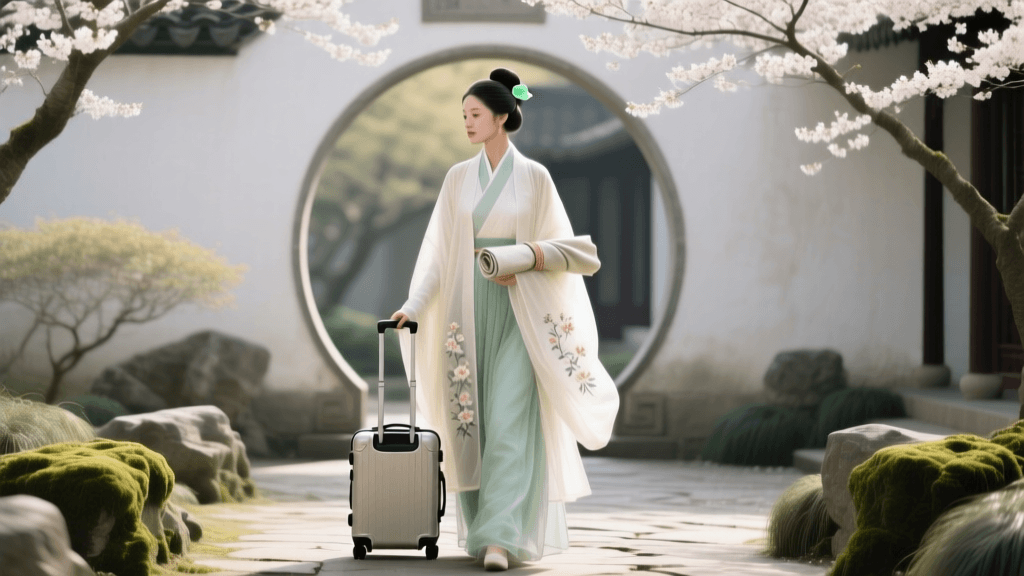
The global fascination with traditional Chinese clothing has evolved from a niche hobby into a mainstream travel lifestyle. In 2026, packing a Hanfu wardrobe for international and domestic trips is no longer considered an eccentric choice; it is a celebrated way to connect with heritage, capture stunning photography, and participate in the booming cultural tourism sector. Whether you are navigating the high-speed rail networks of China or exploring the historic temples of neighboring countries, traveling with traditional garments requires a strategic approach to fabric selection, packing techniques, and destination planning.
Unlike modern fast fashion, traditional garments carry historical weight and structural complexity. The flowing sleeves, intricate pleats, and delicate embroidery demand special attention when confined to a suitcase. Fortunately, the 2026 market has introduced a wave of travel-friendly innovations, from smart-weave anti-wrinkle synthetics that mimic the luster of mulberry silk to modular layering systems designed specifically for transit. This comprehensive guide will equip you with the knowledge to curate, pack, and confidently wear your Hanfu wardrobe anywhere in the world.
Selecting Travel-Ready Hanfu Silhouettes
When building a destination wardrobe, versatility and comfort must balance historical accuracy. The Hanfu movement offers dozens of historical silhouettes, but not all are suited for the rigors of travel, crowded transit hubs, or long days of sightseeing.
The Mamianqun (Horse-Face Skirt)
The Mamianqun remains the undisputed champion of the modern Hanfu travel wardrobe. Characterized by its flat front and back panels with intricately pleated sides, this skirt offers a remarkable range of motion. For 2026 travelers, the key is selecting a Mamianqun crafted from high-density jacquard polyester or treated cotton-linen blends. These materials hold their pleats exceptionally well even after being compressed in a carry-on bag. Furthermore, the waistband can be easily adjusted, and the skirt pairs seamlessly with modern knitwear or traditional tops, making it a highly versatile anchor piece for your suitcase.
Song Dynasty Beizi and Zhaixiu Tops
For upper-body garments, the Song Dynasty Beizi (a long, open-front jacket) is an indispensable layering piece. It functions similarly to a modern duster cardigan, providing elegance and sun protection without the restrictive bulk of heavier Ming Dynasty outerwear. Pair the Beizi with Zhaixiu (narrow-sleeve) tops or traditional blouses. Avoid Guixiu (ultra-wide, floor-dragging sleeves) for daytime travel, as they are impractical for navigating train doors, eating at bustling street markets, or managing luggage. Narrow sleeves maintain a refined historical profile while offering the utility required for modern exploration.
The 2026 Hanfu Packing Essentials Table
A well-curated packing list ensures you have everything needed for both casual daytime exploration and formal evening photography sessions. Below is the essential 2026 packing matrix for a seven-day cultural trip.
| Garment or Accessory | Primary Purpose | Recommended 2026 Material | Quantity |
|---|---|---|---|
| Mamianqun (Horse-Face Skirt) | Versatile base for photos and walking | Anti-wrinkle woven jacquard | 2 |
| Song Beizi (Open Jacket) | Layering, sun protection, transit comfort | Breathable linen-viscose blend | 1 |
| Zhaixiu Shan (Narrow Sleeve Top) | Everyday historical upper garment | Bamboo-cotton jersey | 3 |
| Moxiong (Tube Top Base) | Secure foundation for wrap skirts | Stretch silk-modal | 2 |
| Yunjian (Cloud Shoulder) | Instant elevation for evening portraits | Lightweight embroidered tulle | 1 |
| Portable Travel Steamer | On-demand wrinkle release | Dual-voltage compact steamer | 1 |
| Silk Garment Bags | Dust and friction protection in luggage | Mulberry silk or smooth nylon | 3 |
Masterful Packing Techniques for Pleats and Delicates
The greatest challenge of traveling with Hanfu is preserving the sharp, knife-pleats of the Mamianqun and preventing deep creases in delicate tops. The traditional folding method often results in stubborn horizontal lines that even heavy-duty steamers struggle to remove.
For pleated skirts, the roll-and-tissue method is highly recommended for 2026 travelers. Begin by laying the skirt completely flat. Place sheets of acid-free tissue paper or clean, lightweight cotton cloths over the pleated sections. Gently roll the skirt from the waistband down to the hem, keeping the tissue paper inside the roll to act as a buffer that prevents the fabric from crushing against itself. Secure the roll with a soft silk ribbon and place it in a cylindrical garment sleeve.
For tops and jackets, utilize the bundle wrapping technique. Lay your most wrinkle-prone garment flat, and place softer, more resilient items in the center. Fold the sleeves and hem inward to create a neat bundle. This minimizes sharp fold lines and maximizes the limited space in your carry-on luggage. Always pack your embroidered Yunjian (cloud shoulders) flat in a rigid document sleeve to prevent the metallic threads and delicate beads from being crushed by heavier items.
Top Destinations for Your Hanfu Wardrobe in 2026
Choosing the right destination enhances the visual and cultural impact of your Hanfu wardrobe. In 2026, several cities have optimized their infrastructure, tourism policies, and scenic landscapes to welcome traditional dress enthusiasts.
Luoyang: The Living Museum of Tang and Wei-Jin Fashion
Luoyang has firmly established itself as the premier Hanfu destination in China. The city boasts the magnificent Longmen Grottoes and the sprawling Luoyi Ancient City. Local businesses have fully embraced the cultural movement, offering specialized Hanfu-friendly tea houses, makeup studios, and dedicated photography routes. The architectural backdrop of the Sui and Tang dynasty replica structures provides a cinematic canvas for your wardrobe. According to cultural heritage experts, wearing traditional garments in these historically significant spaces fosters a deeper, more tactile connection to the past, echoing the enduring legacy of Chinese sericulture and silk craftsmanship recognized globally.
Hangzhou: Silk Heritage and West Lake Elegance
Hangzhou offers a softer, more poetic backdrop, deeply intertwined with the history of Chinese silk production. Strolling along the Su Causeway at West Lake or visiting the renowned China National Silk Museum allows travelers to appreciate the material origins of their garments. The lush, weeping willows and serene waters perfectly complement the flowing lines of Song and Ming dynasty silhouettes. Understanding the historical trade routes and the evolution of textile weaving, as detailed by institutions like the Metropolitan Museum of Art, adds a profound layer of appreciation when wearing silk garments in the very region that pioneered the craft.
Kyoto: Cross-Cultural Aesthetics and Temple Grounds
For international travel, Kyoto remains a breathtaking destination for Hanfu photography. While the city is famous for its own traditional garments, the shared historical aesthetics of East Asian textiles create a harmonious visual dialogue. Wearing Hanfu at locations like the Kiyomizu-dera temple or the Arashiyama bamboo grove requires mindful etiquette—ensuring hems are kept clean and respecting sacred spaces. The cross-cultural appreciation of Asian textile traditions is beautifully preserved and exhibited in global collections, such as the British Museum Asia Collection, highlighting how these garments transcend borders and eras.
Garment Care and On-the-Go Maintenance
Even with the best packing techniques, travel introduces variables like unexpected rain, humidity, and transit wrinkles. A compact, dual-voltage travel steamer is non-negotiable for the 2026 Hanfu traveler. Spend ten minutes steaming your garments upon arriving at your accommodation to allow the fibers to relax and the pleats to drop back into their natural alignment.
Carry a small emergency kit containing a stain-removal pen, safety pins, and double-sided fashion tape. Traditional wrap skirts and Moxiong bases can occasionally shift during long days of walking; fashion tape provides immediate, discreet security. Additionally, bring a lightweight, waterproof trench coat or a large, elegant silk scarf to drape over your shoulders if a sudden downpour threatens your silk outerwear. By treating your Hanfu not just as a costume, but as a curated, living wardrobe, you ensure that every journey is as elegant as it is memorable.