Hanfu Travel Wardrobe 2026: Packing Essentials & Destination Guide
The Rise of the Hanfu Traveler in 2026
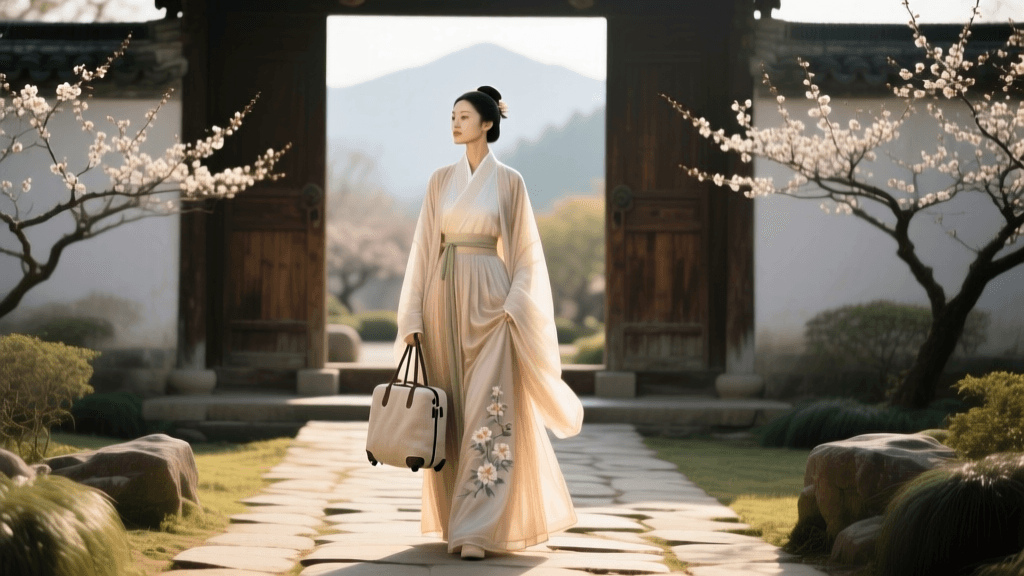
In 2026, the global fascination with traditional Chinese clothing has evolved from local festival wear to a sophisticated, year-round travel lifestyle. The modern Hanfu enthusiast is no longer confined to studio photoshoots or domestic heritage sites; they are navigating the cobblestones of Europe, the humid temples of Southeast Asia, and the bustling transit hubs of international airports. However, traveling with traditional garments presents unique logistical challenges. Voluminous sleeves, intricate pleats, and delicate silk brocades require a strategic approach to packing, styling, and garment care.
Whether you are planning a heritage tour through Xi'an, attending a cultural exchange in Kyoto, or simply want to incorporate traditional silhouettes into your Parisian vacation wardrobe, building a functional Hanfu travel capsule is essential. This comprehensive guide explores the best fabrics, packing techniques, and destination-specific styling tips to ensure your traditional wardrobe remains pristine and practical throughout your 2026 travels.
Building Your 2026 Hanfu Travel Capsule
A successful travel wardrobe relies on versatility and layering. The key to packing Hanfu for extended trips is selecting modular pieces that can be mixed, matched, and adapted to fluctuating climates and varying levels of formality.
Core Bottoms: The Modern Mamianqun
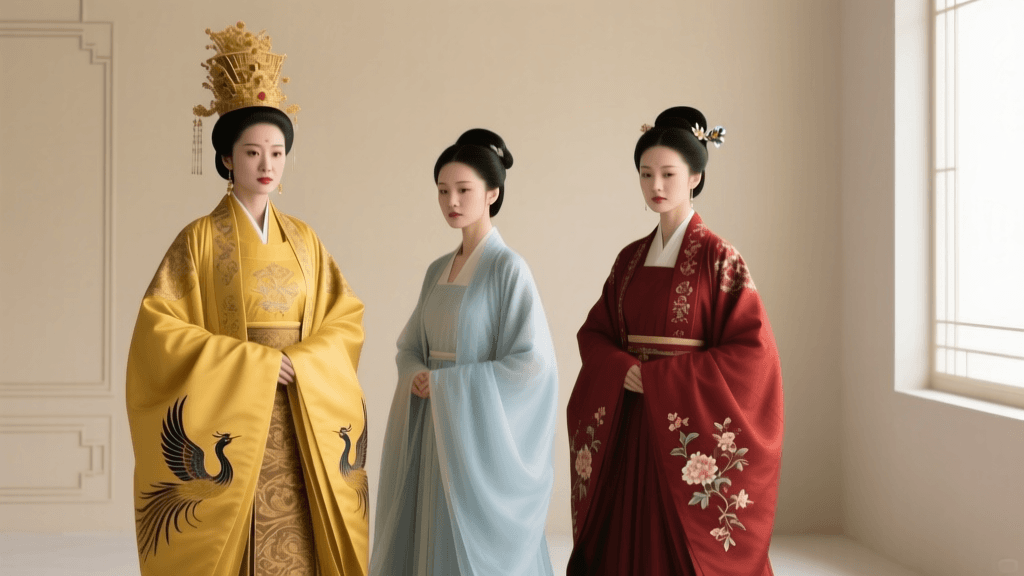
The Mamianqun (horse-face skirt) remains the undisputed queen of Hanfu travel wardrobes. Its structured pleats and flat front panels offer a regal silhouette that pairs beautifully with both traditional tops and modern knitwear. For travel, pack two distinct skirts: a lightweight, wrinkle-resistant Tencel-blend skirt for daytime exploration, and a heavier, metallic-woven brocade skirt for evening dinners or theater outings. The 2026 market has seen a surge in 'memory-pleat' Mamianqun, which utilize heat-set synthetic fibers that bounce back into perfect pleats even after being compressed in a carry-on suitcase.
Versatile Tops: Beizi and Ao
Song dynasty-style Beizi (long, open-front coats) are ideal for transit days. They function similarly to modern dusters or trench coats, providing an elegant layer over a simple camisole and the Mamianqun. For cooler destinations, a Ming dynasty-style Ao (jacket) with a stand collar offers warmth and structure. Opt for Ao with subtle, tone-on-tone embroidery rather than heavy, contrasting metallic threads, which can snag on luggage zippers and seatbelts.
Fabric Innovations: Balancing Tradition and Transit
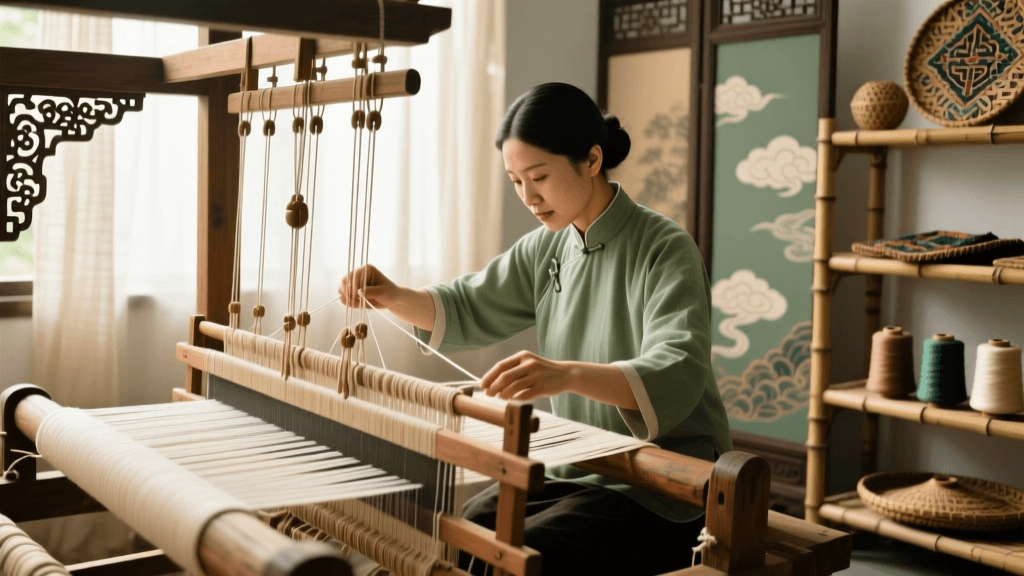
Historically, silk was the premier fabric for Hanfu, celebrated for its luster and drape. As noted in UNESCO's Intangible Cultural Heritage archives, Chinese sericulture and silk craftsmanship represent centuries of meticulous artistry. However, pure silk is notoriously difficult to maintain on the road, prone to water spotting, wrinkling, and requiring specialized dry cleaning.
In 2026, the most popular travel Hanfu are crafted from advanced sustainable blends. Tencel-linen mixes offer the breathable, matte texture of historical ramie but with vastly superior wrinkle recovery. Similarly, high-density cupro (a regenerated cellulose fabric) mimics the slippery, luxurious drape of silk charmeuse but is machine washable and highly resistant to creasing. When shopping for your travel wardrobe, always check the care label; if it requires professional dry cleaning only, leave it at home.
Pro Tip for 2026: Look for Hanfu brands that utilize 'crush-silk' or 'crepe' weaves. These intentionally textured fabrics hide travel wrinkles beautifully, turning potential creases into part of the garment's natural, organic aesthetic.
Destination-Specific Styling Guide
Adapting your Hanfu to your destination is crucial for both comfort and cultural resonance. The historical context of silk and trade routes, extensively documented by institutions like The Met's Heilbrunn Timeline of Art History, reminds us that traditional garments have always adapted to new environments and cultures. Here is how to style your wardrobe for top 2026 travel destinations.
Xi'an and Luoyang: The Heritage Pilgrimage
When visiting the ancient capitals of China, you will be doing extensive walking on uneven stone paths and climbing steep temple stairs. Avoid floor-sweeping skirts that drag in the dust. Opt for ankle-length Mamianqun paired with flat, embroidered cloth boots. A cross-body modern leather bag worn over a Song-style Beizi keeps your hands free for photography and ticket scanning.
Kyoto and Nara: Cultural Exchange
Japan's historic districts are incredibly Hanfu-friendly, with many tourists embracing traditional dress. However, the transit system requires navigating narrow train doors and crowded platforms. Choose narrower sleeves (such as the straight sleeves of the Ming Ao) rather than the sweeping 'big sleeves' (Da Xiu) of the Tang or Song dynasties, which can easily get caught in turnstiles or bumped by passing commuters.
Paris and Milan: Fashion Week Adjacent
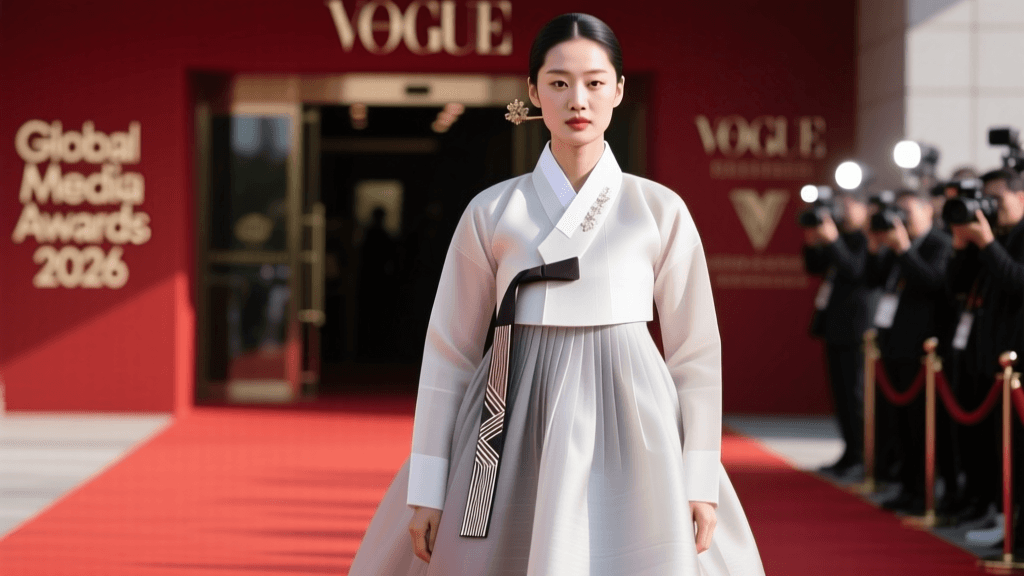
In European fashion capitals, Hanfu is best styled as high-fashion fusion. Pair a heavily embroidered Mamianqun with a sleek, modern turtleneck and a tailored blazer. This juxtaposition of traditional Chinese craftsmanship with contemporary Western tailoring creates a striking, runway-ready look that respects the garment's heritage while fitting seamlessly into a cosmopolitan urban environment.
Destination vs. Wardrobe Matrix
| Destination | Climate & Vibe | Recommended Hanfu Style | Best Fabric Choice |
|---|---|---|---|
| Xi'an, China | Dry, dusty, heavy walking | Ankle-length Mamianqun, Ming Ao | Cotton-linen blends, sturdy brocade |
| Kyoto, Japan | Humid, crowded transit | Song Beizi, narrow sleeves | Lightweight Tencel, breathable crepe |
| Paris, France | Cool, cosmopolitan, chic | Mamianqun mixed with modern blazers | Heavy jacquard, metallic woven silk |
| Bali, Indonesia | Tropical, hot, outdoor temples | Tang-style Qixiong Ruqun (chest-high) | Sheer organza, lightweight ramie |
Essential Packing Gear for the Hanfu Tourist
Packing traditional garments requires more than just folding them into a standard suitcase. To maintain the structural integrity of your Hanfu, invest in specialized travel gear.
- Tri-Fold Garment Bag: A dedicated tri-fold garment bag allows you to pack your Mamianqun and Ao flat, minimizing sharp creases across the pleats. Look for bags with a breathable canvas exterior to prevent moisture buildup.
- Portable Capsule Steamer: The latest 2026 travel steamers are no larger than a water bottle but produce enough continuous steam to refresh heavy brocades and reset pleats in minutes. Avoid traditional irons, which can scorch delicate embroidery and flatten textured weaves.
- Pleat-Setting Clips: When packing a Mamianqun, fold it strictly along its existing pleat lines and secure the hem and waistband with specialized fabric clips or smooth binder clips wrapped in tissue paper. This prevents the pleats from shifting and blooming during transit.
- Modern Undergarments: Traditional silhouettes require specific foundations. Pack seamless, anti-slip cycling shorts to wear beneath your skirts, and modern, structured Mo-xiong (tube tops) with silicone grips to ensure your tops stay securely in place without constant adjustment.
On-the-Road Garment Care
Maintaining your Hanfu in a hotel room requires a gentle touch. According to textile conservation guidelines highlighted in the Victoria and Albert Museum's Asian textile archives, environmental factors like humidity and direct sunlight can rapidly degrade natural fibers. Always hang your Hanfu in the bathroom while taking a hot shower; the ambient steam will naturally release minor wrinkles without the risk of heat damage from a mechanical steamer.
If you must wash a garment on the road, use a pH-neutral detergent designed for delicates. Submerge the garment in cool water in the hotel sink, gently agitate, and never wring or twist the fabric. Roll the wet Hanfu in a clean, dry hotel towel to press out excess moisture, then lay it flat on a dry towel or hang it on a padded hanger away from direct sunlight to dry.
Conclusion
Traveling with Hanfu in 2026 is a beautiful way to carry your cultural heritage across the globe. By curating a modular capsule wardrobe, embracing modern wrinkle-resistant fabrics, and packing the right maintenance tools, you can ensure your traditional garments look as breathtaking in a Parisian café as they do in a Luoyang temple. Approach your packing with strategy, and let your wardrobe be a bridge between ancient artistry and modern exploration.