Hanfu on Global Runways: 2026 Fashion Week Trends & Sourcing
The 2026 Runway Breakthrough: Hanfu in Paris and Milan
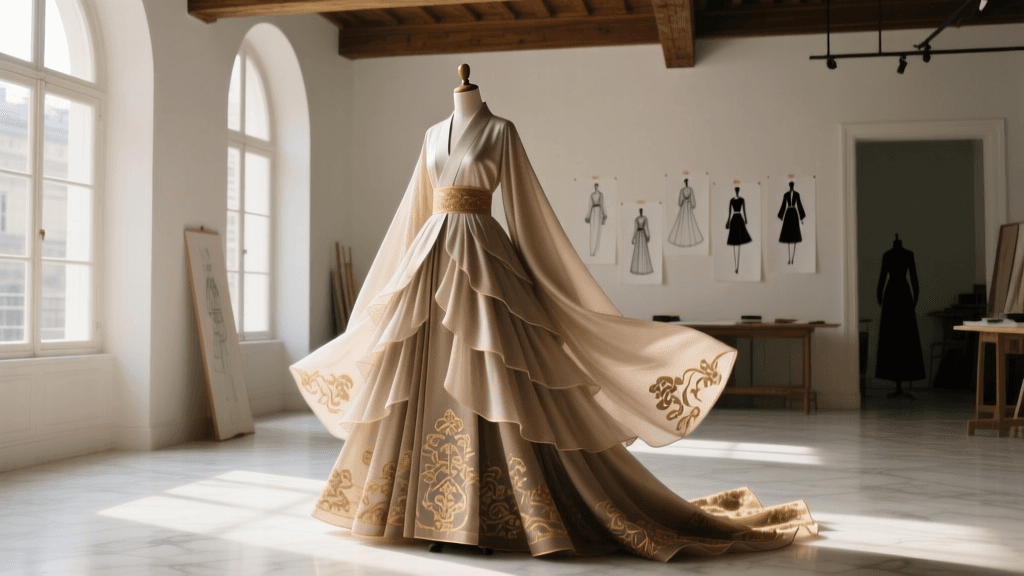
The global fashion landscape has undergone a monumental shift in 2026, with traditional Chinese garments moving from niche cultural appreciation to the forefront of international haute couture. During the Spring/Summer and Autumn/Winter 2026 Fashion Weeks in Paris and Milan, Hanfu-inspired silhouettes were not merely presented as thematic novelties; they were deconstructed, tailored, and integrated into the core vocabulary of modern luxury. Independent Chinese heritage brands and established European fashion houses alike have recognized the structural brilliance and textile richness of Hanfu, elevating it to a permanent fixture on the global runway.
According to recent industry analysis by the South China Morning Post, the demand for heritage Asian textiles has surged by over 40% in the luxury sector this year. Designers are moving away from superficial oriental motifs and instead focusing on the architectural tailoring of traditional Han Chinese clothing. The integration of historical garment engineering with contemporary sustainable practices has made Hanfu the ultimate symbol of 'quiet luxury' and conscious fashion in 2026.
Key Hanfu Silhouettes Dominating 2026 Haute Couture
Understanding the specific silhouettes that have captivated international buyers and fashion editors is crucial for anyone looking to source or style these pieces. The 2026 runways have heavily favored three distinct Hanfu forms, each adapted for modern mobility and global aesthetics.
1. The Mamianqun (Horse-Face Skirt)
The undisputed star of the 2026 runway season is the Mamianqun. Characterized by its flat front and back panels with intricately pleated sides, this Ming Dynasty skirt offers a structural elegance that rivals any Western couture gown. On the 2026 runways, designers have experimented with varying pleat densities. While traditional skirts feature 12 to 16 knife pleats per side, modern haute couture adaptations often utilize micro-pleating or asymmetric hemlines. The standard runway length for 2026 is a sweeping 105cm to 115cm, designed to graze the top of the foot, while the waistband has been streamlined to an 8cm width with hidden side-tie closures, replacing bulkier traditional buttons for a sleeker profile.
2. The Dahu (Ming Dynasty Sleeveless Vest)
Layering is a defining trend of 2026, and the Dahu has emerged as the premier outerwear piece. Originally a sleeveless or short-sleeved vest worn over long robes, the modern Dahu is being crafted from heavy silk brocades and structured wools. Runway stylists are pairing the Dahu over fine-gauge merino turtlenecks, crisp poplin shirts, and even tailored tuxedo jackets. The deep, crossed collars and side-slit hems of the Dahu provide dynamic movement and a striking geometric silhouette that photographs beautifully on the catwalk.
3. Xiangyunsha (Gambiered Canton Gauze) Textiles
Beyond silhouettes, the textile itself has become a major talking point. Xiangyunsha, a luxurious silk dyed using yam juice and river mud, is the most sought-after fabric of 2026. Prized for its eco-friendly, zero-chemical production process and its distinctive crackled, leather-like patina that develops over time, Xiangyunsha is being used to craft everything from flowing Ruqun (blouse and skirt sets) to structured outer coats. The China National Silk Museum highlights that the meticulous, sun-dependent dyeing process of Xiangyunsha perfectly aligns with the 2026 luxury consumer's demand for hyper-artisanal, sustainable, and traceable garments.
Sourcing Runway-Inspired Hanfu: A Buyer's Guide for 2026
For international collectors, fashion buyers, and enthusiasts, sourcing authentic, runway-quality Hanfu requires navigating a market flooded with fast-fashion imitations. In 2026, the distinction between a mass-produced costume and a heritage garment lies in the textile weight, the weave technique, and the finishing details.
When sourcing a Mamianqun, always check the fabric weight. Runway-quality silk jacquards and Song brocades should weigh between 19mm and 30mm (momme). Lighter fabrics will not hold the architectural pleats required for the skirt to drape correctly. Furthermore, authentic heritage brands will feature finished selvedge edges and hand-woven pattern repeats that align perfectly at the pleat folds—a hallmark of high-end 2026 manufacturing.
2026 Hanfu Runway Silhouettes: Sourcing & Price Guide
| Silhouette | Historical Era | 2026 Runway Adaptation | Avg. Sourcing Cost (USD) | Best Styling Pairing |
|---|---|---|---|---|
| Mamianqun (Silk Brocade) | Ming Dynasty | Micro-pleats, hidden side-ties, 30mm heavy silk | $250 - $800 | Structured blazer or fitted cashmere sweater |
| Dahu (Sleeveless Vest) | Ming Dynasty | Wool-blend or heavy jacquard, deep crossed collar | $180 - $450 | Crisp white poplin shirt and wide-leg trousers |
| Ruqun (Xiangyunsha) | Tang/Song Dynasty | Mud-silk dye, eco-friendly, relaxed drape | $400 - $1,200 | Minimalist leather accessories, barefoot sandals |
| Beizi (Long Coat) | Song Dynasty | Straight collar, side slits, sheer organza layering | $150 - $350 | Silk slip dress or tailored denim |
Navigating Sizing and Tailoring for International Buyers
One of the most significant hurdles for global buyers sourcing Hanfu in 2026 is the difference in traditional sizing versus Western ready-to-wear standards. Traditional Hanfu relies heavily on flat-pattern cutting and wrap-around closures, making it inherently more forgiving and adjustable than Western tailored clothing. However, runway adaptations often introduce modern darts and structured shoulders.
If you are purchasing directly from Chinese heritage ateliers or independent designers showcasing at international fashion weeks, it is vital to provide exact measurements rather than relying on standard S/M/L sizing. You will need to provide your bust, waist, and hip measurements in centimeters, as well as your 'Jiankuan' (shoulder width from bone to bone) and 'Yichang' (desired garment length from the nape of the neck). For a Mamianqun, the critical measurement is the natural waist, as the skirt must sit precisely above the hip bone to allow the pleats to fall straight without flaring awkwardly.
Styling Heritage Pieces for the Modern Wardrobe
Integrating runway Hanfu into a contemporary, international wardrobe requires a balanced approach to styling. The goal in 2026 is to avoid looking like a historical reenactor and instead present the garments as sophisticated, living fashion.
- The High-Low Mix: Pair a heavily embroidered, traditional Song brocade Mamianqun with a simple, high-quality organic cotton t-shirt or a sleek turtleneck. The contrast between the ornate historical skirt and the minimalist modern top creates a striking, editorial look suitable for art gallery openings or high-end dinners.
- Footwear Choices: While traditional cloud-toe shoes are beautiful, they are rarely practical for modern city streets. In 2026, fashion editors are styling Hanfu skirts with pointed-toe leather ankle boots, sleek loafers, or minimalist strappy heels. The key is to ensure the hem of the skirt grazes the top of the shoe without dragging on the ground.
- Accessorizing with Intent: Avoid overly theatrical hairpieces. Instead, opt for subtle, contemporary jade or gold hairpins. A single, well-crafted jade hair stick securing a low chignon is far more elegant and aligned with the 2026 'quiet luxury' aesthetic than a full set of dangling metal hairpins.
The Cultural Impact and Future of Hanfu in Global Fashion
The ascent of Hanfu on global runways is more than a fleeting trend; it represents a profound reclamation of cultural heritage and a shift in the global fashion hierarchy. For decades, Asian fashion was often filtered through a Western lens, reduced to stereotypical motifs. The 2026 fashion season marks a definitive turning point where the structural integrity, historical depth, and sustainable textile practices of Hanfu are being celebrated on their own terms.
Institutions like the Victoria and Albert Museum have increasingly highlighted the technical mastery of Asian textile traditions, providing the historical context that elevates these garments from mere clothing to wearable art. As international buyers and fashion enthusiasts continue to source and wear these pieces, they participate in a global dialogue that honors the past while actively shaping the future of sustainable, culturally rich haute couture. Whether you are investing in a bespoke Xiangyunsha coat or a ready-to-wear Mamianqun, incorporating Hanfu into your wardrobe in 2026 is a testament to the enduring power and evolving beauty of Asian traditions.