2026 Hanfu Coming-of-Age Rites: Ji Li & Guan Li Ceremony Guide
The 2026 Resurgence of Traditional Chinese Rites of Passage
As we navigate through 2026, the global and domestic appreciation for Hanfu has evolved from a niche internet subculture into a deeply embedded societal practice. No longer confined to photography studios or casual streetwear, traditional Chinese garments are now the centerpiece of major life milestones. Among the most profound of these are the Ji Li (笄礼, the coming-of-age ceremony for women) and the Guan Li (冠礼, the coming-of-age ceremony for men). Rooted in the ancient Book of Rites (Liji), these ceremonies symbolize the transition from childhood to adulthood, carrying heavy cultural weight regarding civic duty, familial respect, and personal responsibility.
In 2026, cultural centers, universities, and private families across Asia and the diaspora are hosting these rites of passage with unprecedented historical accuracy. This comprehensive guide breaks down the ceremonial wardrobe changes, the ritual protocol, and the modern market realities of sourcing authentic garments for your own milestone event this year.
Understanding the San Jia and San Guan (Three Clothing Changes)
The core architecture of both the Ji Li and Guan Li revolves around the concept of San Jia (three additions of hairpins for women) and San Guan (three additions of caps for men). Each change of clothing represents a distinct stage of maturation and an expansion of societal responsibilities. According to the historical framework of the Guan Li, the progressive layering of garments visually communicates the initiate's readiness to take on adult roles.
First Addition: The Garment of Youth and Filial Piety
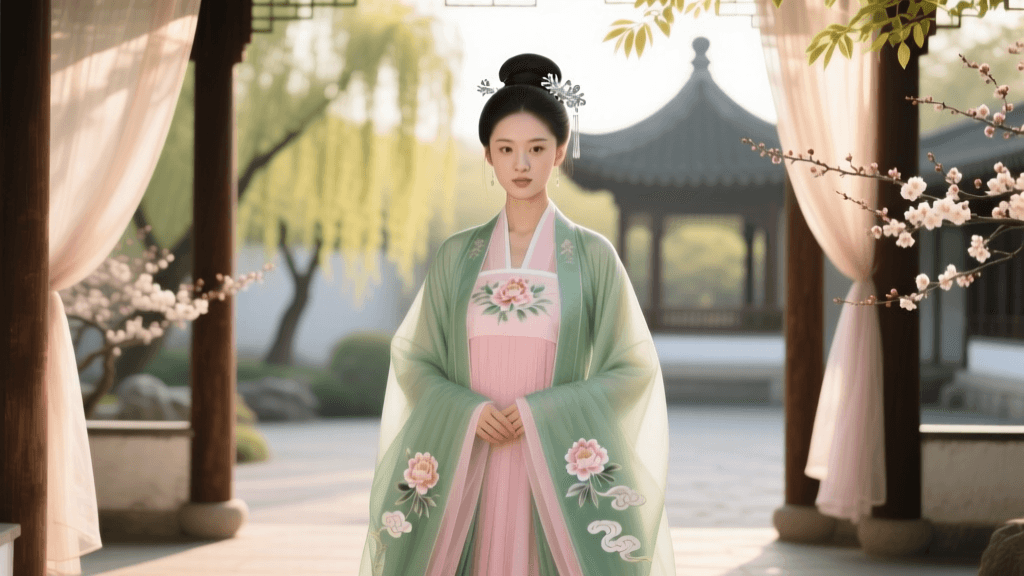
The first outfit is typically simple, reflecting the purity of youth and the virtue of filial piety. For women, this often involves a Song Dynasty-style Ruqun (blouse and skirt) in soft, muted tones. For men, a simple cotton or linen Zhiduo or basic Shenyi (deep robe) is worn. The hair is partially pinned or capped, signifying the initial step away from childhood.
Second Addition: The Garment of Adulthood and Scholarship
The second change introduces more structured and formal garments, symbolizing the pursuit of knowledge and the entrance into adult society. Women transition into a Ming Dynasty-style Aoqun (lined jacket and pleated skirt), often featuring subtle embroidery. Men don the Lanshan, the traditional scholar's robe with a black gauze cap, representing academic achievement and moral cultivation.
Third Addition: The Garment of Civic Duty and Lineage
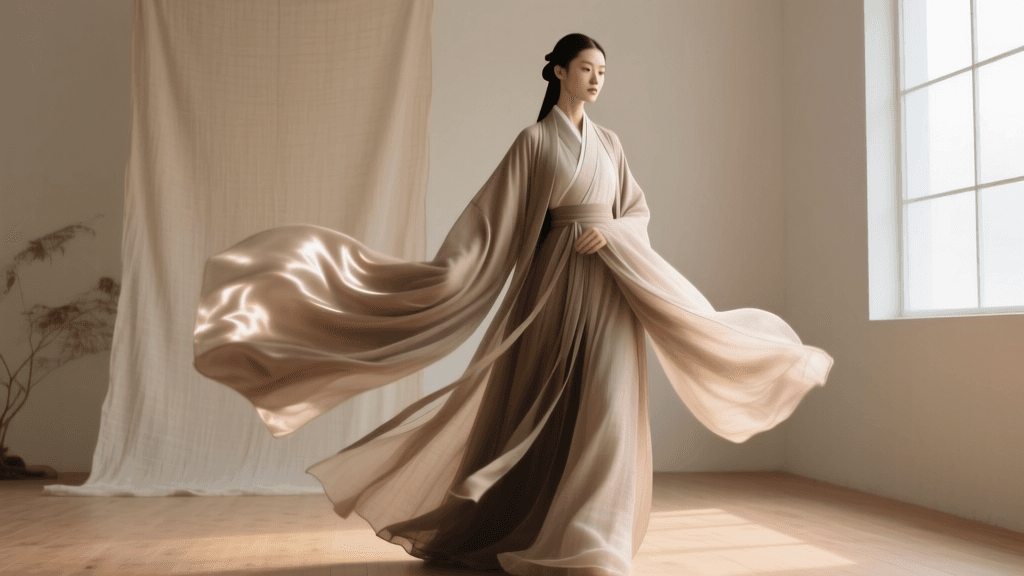
The final clothing change is the most resplendent, representing full civic and marital readiness. Women wear a highly formal Daxiushan (large-sleeved robe) or a formal Ming Dynasty Daxiushan paired with a phoenix coronet (Fengguan) or elaborate gold hairpins. Men are adorned in formal ceremonial Gongfu or a heavily brocaded Shenyi paired with a formal Guan (cap). This final look commands respect and signifies the initiate's readiness to participate in ancestral rites and state affairs.
2026 Wardrobe Sourcing and Budgeting
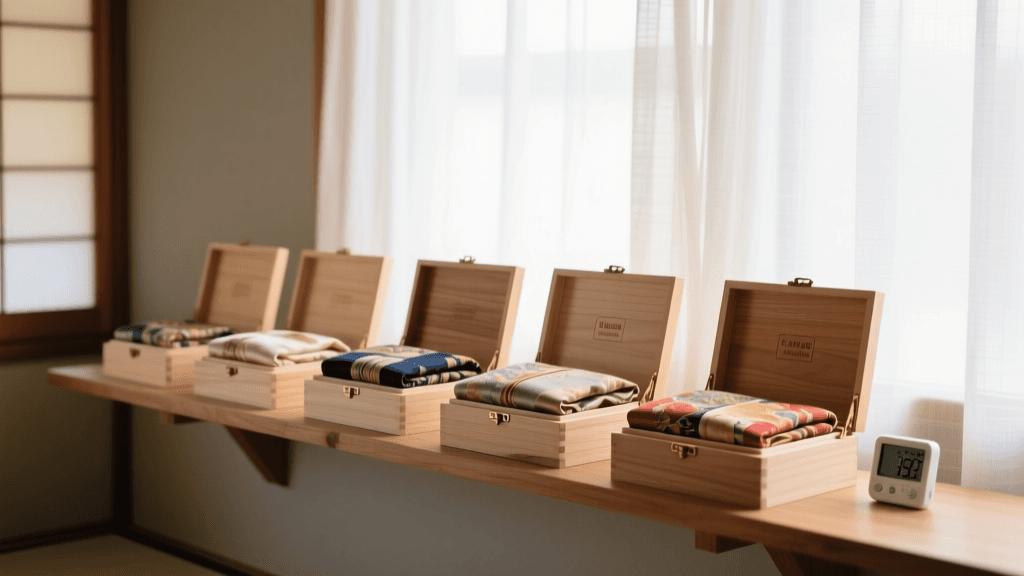
Sourcing historically accurate Hanfu for a coming-of-age ceremony requires careful planning. In 2026, the market has bifurcated into highly accessible rental services and bespoke custom tailoring. The revival of intangible cultural heritage techniques, such as Xiangyunsha (gambiered Canton gauze) and traditional silk brocade weaving, has made premium fabrics more accessible, though they remain an investment.
| Garment Phase | Historical Era Style | 2026 Custom Tailoring Cost (USD) | 2026 Rental Cost (USD) | Recommended 2026 Fabric |
|---|---|---|---|---|
| First Addition (Youth) | Song Dynasty Ruqun / Zhiduo | $150 - $280 | $45 - $70 | Lightweight Linen, Organic Cotton |
| Second Addition (Adulthood) | Ming Dynasty Aoqun / Lanshan | $350 - $600 | $90 - $140 | Silk Damask, Mulberry Silk |
| Third Addition (Civic Duty) | Tang/Ming Formal Robes | $800 - $1,500+ | $180 - $300 | Xiangyunsha, Heavy Silk Brocade |
Note: Custom tailoring costs in 2026 reflect the premium for authentic pattern drafting and hand-embroidery. Renting is highly recommended for the third addition due to the sheer weight and cost of formal ceremonial silks.
Step-by-Step Ceremony Protocol
Whether hosted at a Confucian temple, a university courtyard, or a private garden, the 2026 ceremony protocol strictly adheres to classical texts while allowing for modern logistical adaptations. The ceremony requires a Zhengbin (main officiant, usually a respected elder or scholar), a Zanren (assistant), and the Youren (the initiate's parents or sponsors).
- 1. Welcoming the Guest (Yingbin): The parents welcome the Zhengbin and guests at the entrance, offering tea and establishing the solemnity of the space.
- 2. The Washing Ritual (Guanxi): The initiate washes their hands and face in a bronze basin, symbolizing the cleansing of childhood impurities and the purification of the mind.
- 3. The First Capping/Pinning (Chu Jia): The Zhengbin recites a blessing while the Zanren assists in placing the first hairpin or cap. The initiate retreats to change into the first garment.
- 4. The Second Capping/Pinning (Er Jia): The process is repeated with a more ornate pin/cap and the scholar's garments, accompanied by blessings regarding education and moral fortitude.
- 5. The Third Capping/Pinning (San Jia): The final, most elaborate headpiece is placed. The initiate emerges in full ceremonial regalia.
- 6. The Sweet Wine Rite (Lixiang): The initiate is offered a cup of sweet rice wine. They pour a small libation on the ground to honor the earth and ancestors before taking a sip, signifying the acceptance of adult hardships and joys.
- 7. The Naming (Zi): The Zhengbin bestows a Zi (courtesy name) upon the initiate, which will be used by peers and society to show respect.
- 8. The Final Bows: The initiate bows to the parents (thanking them for upbringing), the Zhengbin (thanking them for guidance), and the audience (acknowledging their role in society).
"The capping ceremony marks the beginning of adulthood; it is the first of all rites. It is through the capping that the individual is prepared to fulfill their duties as a son, a brother, a subject, and a junior."
— The Book of Rites (Liji), Chapter on the Meaning of Capping
Modern Adaptations for 2026 Graduations and Milestones
In 2026, the boundary between ancient rites and modern academic milestones has beautifully blurred. Over 40 major universities across Beijing, Hangzhou, and Xi'an now officially sponsor mass Guan Li and Ji Li ceremonies during the June graduation season. These institutional ceremonies often blend the traditional three clothing changes with the modern academic gown, allowing graduates to honor their cultural heritage while celebrating their contemporary academic achievements.
For private families organizing a ceremony in 2026, digital integration is key. While the ritual itself remains strictly analog and reverent, families are utilizing augmented reality (AR) invitations and live-streaming setups tailored for diaspora relatives who cannot travel. Furthermore, eco-conscious initiates are increasingly requesting sustainably dyed silks and upcycled vintage hairpins for their San Jia, merging ancient respect for nature with modern environmental ethics.
Final Thoughts on Embracing the Rite
Undertaking a Ji Li or Guan Li is a profound commitment to cultural continuity. It requires months of preparation, from sourcing the correct historical garments to memorizing the ritual bows and responses. However, the result is a deeply moving, transformative experience that anchors the initiate in their heritage. As the Hanfu movement continues to mature in 2026, these coming-of-age ceremonies stand as a testament to the enduring power of traditional Asian garments to mark the most critical thresholds of the human experience.