Hanfu Ji Li & Guan Li Ceremonies 2026: Rites & Garment Guide
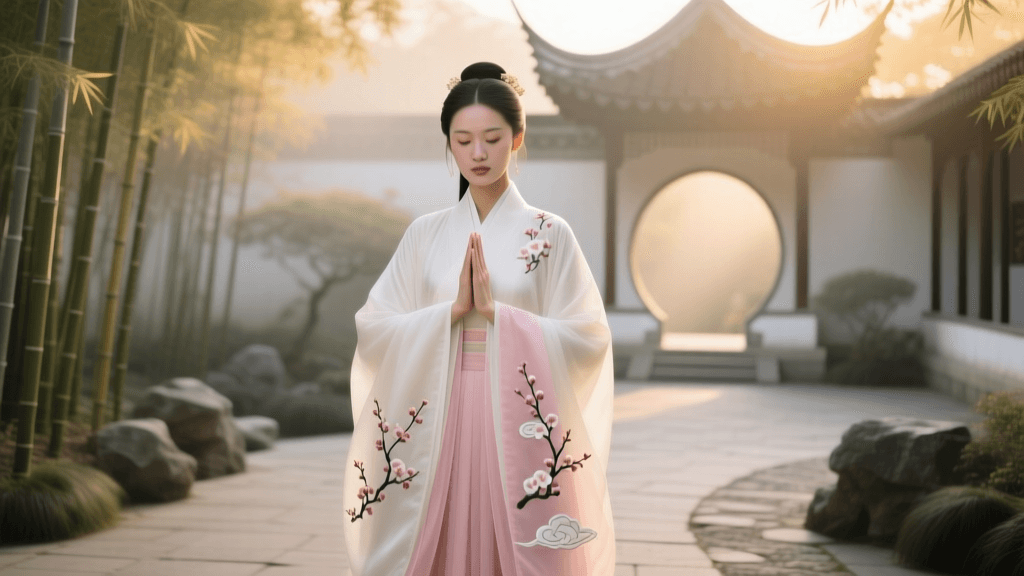
The Revival of Adulthood: Ji Li and Guan Li in 2026
As we move through 2026, the global Hanfu movement has matured from a niche internet subculture into a profound, mainstream celebration of Chinese cultural heritage. Among the most significant milestones being reclaimed by Gen Z and millennial families are the traditional coming-of-age ceremonies: the Ji Li (笄礼, hairpinning ceremony for women) and the Guan Li (冠礼, capping ceremony for men). Historically marking the transition from childhood to adulthood, these rites carry deep philosophical weight, emphasizing societal responsibility, filial piety, and personal virtue.
According to the ancient Book of Rites (Liji), the capping and hairpinning ceremonies are considered the 'beginning of all rites.' In 2026, families and cultural societies are adapting these ancient texts to fit modern venues, blending historical accuracy with contemporary logistics. Whether you are planning a ceremony for an 18th or 20th birthday, understanding the sartorial and ritual requirements is essential for an authentic and memorable experience.
The Core Ritual: The Three Additions (San Jia / San Guan)
The centerpiece of both the Ji Li and Guan Li is the ritual of the 'Three Additions.' The initiate changes garments three times, with each outfit symbolizing a different stage of growth and a new set of societal expectations. Selecting the correct Hanfu silhouettes and fabrics for 2026 requires an understanding of historical dynastic protocols, with the Ming and Song dynasties being the most popular choices for modern ceremonies.
First Addition: Embracing the End of Childhood
The first garment represents the shedding of childhood innocence and the initial step into youth. For women, this is typically a Shenyi (deep robe) or a simple, elegant Ruqun (blouse and skirt ensemble) in soft, muted colors like celadon, pale yellow, or lotus pink. For men, the equivalent is a simple Shenyi or a modest Zhiduo. The fabrics in 2026 lean heavily toward breathable, sustainable materials such as organic cotton-linen blends or lightweight peace silk, symbolizing purity and the unadorned nature of youth.
Second Addition: Assuming Societal Responsibility
The second outfit marks the initiate's readiness to take on adult responsibilities, including education, career, and family duties. Women transition into a more structured Aoqun (lined jacket and pleated skirt) or a formal Beizi (open-front coat) over a dress. Men don the Lanshan (scholar's robe) or a formal Daofu (Taoist-style scholar robe). The color palette deepens to navy, emerald, or maroon. In 2026, artisans are utilizing advanced jacquard weaving techniques to produce subtle, tone-on-tone damask patterns that catch the light during the ceremony's bowing sequences.
Third Addition: Readiness for Ancestral and Formal Rites
The final addition is the most majestic, representing the initiate's full integration into adult society and their eligibility to participate in ancestral worship and state affairs. Women wear the grand Daxiushan (large-sleeved formal robe) or a heavily embroidered Ming Dynasty Dashan. Men wear formal court-style robes or the highly prestigious Yeshenyi with a structured outer coat. These garments are crafted from heavy silk brocades, Zhangzhou velvet, or gold-woven Zhuanghua silk. The Metropolitan Museum of Art's historical archives on Ming Dynasty clothing highlight the structural rigidity and opulent textile work that defined formal wear of this era, which modern 2026 tailors meticulously replicate using digital loom programming.
2026 Garment Sourcing & Budgeting Guide
Sourcing authentic, ceremony-grade Hanfu in 2026 involves navigating a mix of established heritage brands, independent Taobao artisans, and bespoke tailors. Below is a structured guide to help you budget and plan your acquisitions.
| Garment Tier | Recommended 2026 Sourcing | Estimated Cost (USD) | Lead Time |
|---|---|---|---|
| First Addition (Shenyi/Ruqun) | Established Brands (e.g., Shisanyu, Zhongling) | $120 - $250 | 1 - 2 Weeks |
| Second Addition (Aoqun/Lanshan) | Specialty Taobao Artisans (Jacquard/Damask) | $300 - $600 | 3 - 5 Weeks |
| Third Addition (Daxiushan/Daofu) | Bespoke Heritage Tailors (Zhuanghua Silk) | $800 - $2,500+ | 2 - 4 Months |
| Accessories (Guan, Zan, Shoes) | Metalwork & Embroidery Studios | $150 - $500 | 2 - 6 Weeks |
Note: For the Third Addition, many families in 2026 opt to rent museum-grade replicas from specialized Hanfu cultural centers in cities like Hangzhou, Chengdu, and Xi'an, which can reduce costs by up to 70% while maintaining historical accuracy.
Structuring the Modern Ceremony
A successful Ji Li or Guan Li requires careful choreography. While ancient rites could span multiple days, the modern 2026 iteration is typically condensed into a rigorous, deeply moving two-hour ceremony. Here is the standard sequence adopted by cultural societies today:
- The Welcome and Purification: The ceremony begins with the initiate washing their hands and face in a bronze basin, symbolizing the cleansing of childhood ignorance.
- The First Addition: The Zanli (ritual assistant) guides the initiate to the mat. The Guanbin (honored guest, usually a respected elder or mentor) places the first hairpin or cap. The initiate retreats to change into the first garment and returns to bow to the parents.
- The Second Addition: The process is repeated with the second, more formal hairpin/cap and the second garment. The initiate bows to the honored guests and mentors.
- The Third Addition: The final, grand garment is donned. The initiate bows to the ancestral shrine or the national flag, representing their duty to heritage and society.
- The Bestowal of the 'Zi' (Courtesy Name): The honored guest formally announces the initiate's new adult name, which will be used in formal and scholarly contexts.
- The Listening to the Admonition: The parents and honored guest offer words of wisdom, followed by the initiate's oath of adulthood.
Hair Accessories, Caps, and Footwear
The physical act of pinning the hair or placing the cap is the literal climax of the ceremony. For the Ji Li, the hairpin (Zan or Chai) evolves from a simple wooden or jade stick in the first addition to an elaborate gold and pearl Buyao (step-shake) in the third. The Victoria and Albert Museum's extensive Chinese collections showcase the breathtaking complexity of historical Ming Dynasty hairpins, featuring intricate filigree and kingfisher feather inlay (now ethically replicated using dyed silk and enamel in 2026).
For the Guan Li, the caps are equally symbolic. The first cap is a simple Tongzi Guan (child's cap), the second is a scholar's cap, and the third is the formal Juebian or structured official's hat. Footwear must also match the formality of the robes. While first additions pair well with simple cloth shoes, the third addition requires formal Yuntou Lu (cloud-head shoes) for women or structured black silk boots with white soles for men. In 2026, custom shoemakers offer 3D-scanned fitting services to ensure these traditional, often stiff-soled shoes are comfortable enough for the prolonged kneeling and bowing required during the rites.
Final Thoughts on Preserving the Rites
Hosting a Ji Li or Guan Li in 2026 is more than a photo opportunity; it is a profound psychological anchor for young adults navigating a rapidly changing world. By wrapping themselves in the silk, structure, and symbolism of their ancestors, initiates gain a tangible connection to their lineage. Whether you are sourcing a bespoke Daxiushan from a master weaver in Nanjing or organizing a community Guan Li in a local botanical garden, the key lies in respecting the philosophical core of the rites: that adulthood is not merely an age, but a lifelong commitment to virtue, family, and society.