Hanfu Travel Guide 2026: Packing Tips & Best Destinations
The Renaissance of Hanfu Travel in 2026
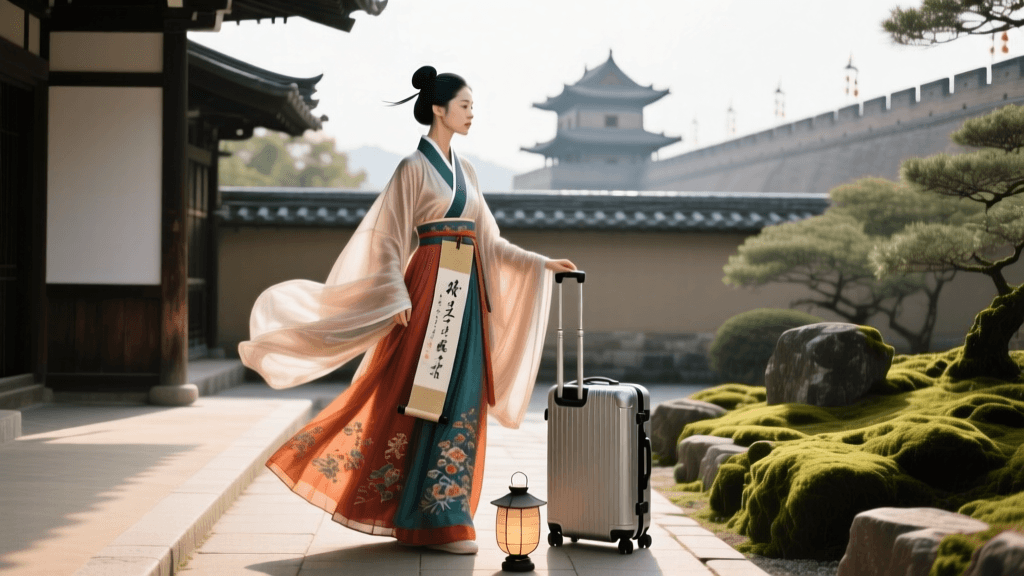
The year 2026 marks a watershed moment for cultural tourism across Asia, with traditional garments transitioning from niche historical reenactments to mainstream travel fashion. The global fascination with Hanfu (traditional Han Chinese clothing) has sparked a new wave of experiential travel, where enthusiasts journey across ancient Silk Road routes, classical gardens, and historic capitals to capture breathtaking photography and immerse themselves in living heritage. Furthermore, the rise of the Xin Zhongshi (New Chinese Style) movement has made it easier than ever to integrate traditional textiles into modern travel wardrobes, blending Ming Dynasty silhouettes with contemporary convenience.
However, traveling with voluminous, delicate traditional garments presents unique logistical challenges. From managing the intricate pleats of a Mamianqun (horse-face skirt) to navigating the strict preservation rules of heritage sites, preparation is paramount. This comprehensive 2026 guide provides actionable packing strategies, fabric care protocols, and a curated list of the year's most spectacular destinations for Hanfu enthusiasts.
Essential Hanfu Packing Gear for the Modern Nomad
Packing traditional garments requires a departure from standard travel habits. The heavy embroidery, delicate silk weaves, and structured collars demand specialized gear to ensure your wardrobe arrives in pristine, camera-ready condition.
The Mamianqun Folding Technique
The Mamianqun, characterized by its two overlapping flat panels and trapezoidal side pleats, is a staple of Ming Dynasty fashion and a favorite for 2026 travel photography. Improper folding will permanently crease the pleats and damage the metallic threads often used in modern Song brocade replicas.
- Step 1: Lay the skirt flat on a clean surface, aligning the front and back panels perfectly.
- Step 2: Insert acid-free archival tissue paper between the overlapping layers to prevent friction and dye transfer.
- Step 3: Fold the skirt vertically along the natural seam lines of the pleats, never cutting across the trapezoidal folds.
- Step 4: Roll the skirt gently from the hem to the waistband, securing it with a silk ribbon rather than elastic bands, which can warp the fabric.
Must-Have Travel Accessories
To maintain your garments on the go, your 2026 luggage setup should include the following specialized items:
- Breathable Canvas Garment Bags: Avoid plastic dry-cleaning bags, which trap moisture and cause silk to mildew in humid climates. Opt for unbleached cotton canvas bags that allow the fabric to breathe.
- Portable Steamer: The Philips ComfortTouch GC558 remains a top choice for travelers due to its continuous steam output and compact, lockable design. A quick steam treatment in your hotel room will release stubborn creases from natural linen and silk blends without the risk of scorching associated with traditional iron plates.
- Silk-Lined Travel Jewelry Boxes: Essential for storing intricate hairpins (Zan), buyao (step-shake hairpins), and jade pendants, preventing the metal alloys from tarnishing or scratching during transit.
Fabric Drape and Climate Considerations
Understanding how different fabrics react to various climates is crucial for a comfortable and photogenic trip. In 2026, textile manufacturers have introduced advanced synthetic-silk blends that mimic the drape of traditional mulberry silk while offering superior wrinkle resistance and moisture-wicking properties.
For summer travel to southern destinations like Guangzhou or Hangzhou, opt for Xiangyunsha (gambiered Canton gauze). This heritage fabric, dyed with river mud and plant extracts, is naturally cooling, water-resistant, and dries incredibly fast, making it ideal for humid environments. Conversely, for autumn trips to northern capitals like Beijing or Xi'an, layered Zhuzi (bamboo) linen and heavier jacquard brocades provide necessary warmth while maintaining a structured, regal silhouette that photographs beautifully against historic architecture.
Top Destinations for Hanfu Photography and Cultural Immersion
The 2026 travel season offers unprecedented access to heritage sites that have recently updated their policies to accommodate and even encourage traditional dress. Here are the premier destinations for your next Hanfu journey.
1. Xi'an: The Tang Dynasty Dream
As the eastern terminus of the ancient Silk Road, Xi'an offers an immersive plunge into the cosmopolitan glory of the Tang Dynasty. The Datang Everbright City pedestrian district is a neon-lit wonderland designed specifically for nighttime Hanfu photography. In 2026, the district has expanded its interactive theatrical performances, allowing visitors dressed in traditional Qixiong Ruqun (chest-high skirts) and Yuanlingpao (round-collar robes) to participate in live-action poetry games and lantern parades. The vibrant, oversized floral motifs and sheer shawls characteristic of Tang fashion perfectly mirror the opulent, bustling atmosphere of the city.
2. Dunhuang: Echoes of the Silk Road
For those seeking a more rugged, historically profound experience, Dunhuang in Gansu Province is unparalleled. The Mogao Caves and the singing sand dunes of Mingsha Mountain provide a dramatic backdrop for Dunhuang-style Feitian (celestial maiden) Hanfu, characterized by flowing ribbons, bare shoulders, and intricate beadwork. The cultural exchange that defined this region is well-documented by global heritage organizations. According to the UNESCO Silk Road initiative, Dunhuang remains a vital testament to the cross-pollination of art, religion, and textile techniques between East and West. Travelers in 2026 can book exclusive, low-impact sunrise photoshoots on the dunes, ensuring the delicate desert ecosystem is preserved while capturing golden-hour lighting that highlights the metallic threads of your garments.
3. Suzhou: The Elegance of Song and Ming Dynasties
Suzhou's classical gardens, with their labyrinthine rockeries, moon gates, and koi ponds, are the ultimate canvas for the understated elegance of Song and Ming Dynasty aesthetics. The Metropolitan Museum of Art notes that the Silk Road's influence profoundly shaped Chinese silk weaving, a legacy that is palpable in Suzhou, the historical epicenter of China's silk industry. When visiting the Humble Administrator's Garden, opt for narrow-sleeved Aoqun (jacket and skirt) ensembles in muted, botanical colors. Note that as of 2026, Suzhou's premier gardens require advance digital permits for commercial-style photography, so be sure to register your shoot via the local municipal tourism app at least two weeks prior to your arrival.
2026 Destination Comparison Chart
To help you plan your itinerary, we have compiled a comparison of the top Hanfu destinations, factoring in the latest 2026 tourism regulations and average costs.
| Destination | Best Season (2026) | Heritage Permit Required? | Ideal Hanfu Style | Avg. Local Rental/Makeup Cost (USD) |
|---|---|---|---|---|
| Xi'an (Datang Everbright City) | April - May, September - October | No | Tang Dynasty (Qixiong Ruqun) | $80 - $150 |
| Dunhuang (Mingsha Mountain) | May - June, September | Yes (for drone/sunrise) | Dunhuang Feitian / Tang | $120 - $200 |
| Suzhou (Classical Gardens) | March - April, October - November | Yes (for pro equipment) | Song / Ming Dynasty (Aoqun) | $100 - $180 |
| Kyoto, Japan (Silk Road Exchange) | April (Cherry Blossom), November | No (respect temple rules) | Ming Dynasty / Xin Zhongshi | $150 - $250 |
Navigating Cultural Etiquette and Photography Rules
As Hanfu tourism surges in 2026, maintaining a respectful presence at historical and religious sites is more important than ever. When traveling, remember that Hanfu is not merely a costume, but a representation of living cultural heritage.
- Temple Etiquette: When visiting active Buddhist or Taoist temples, avoid wearing garments with overly revealing cuts or aggressive, martial motifs. Opt for modest, high-collared styles, and always remove your shoes and hairpins when entering sacred meditation halls.
- Respecting the Space: Never climb on historical statues, ancient walls, or fragile garden rockeries to achieve a better camera angle. Use a lightweight, carbon-fiber monopod instead of a bulky tripod, which is often banned in crowded heritage zones to prevent tripping hazards and damage to ancient paving stones.
- Cross-Cultural Travel: If you are taking your Hanfu abroad to destinations like Kyoto or Seoul to participate in 2026's international Asian textile exchange festivals, research local photography laws. In Japan, for instance, taking photographs of strangers or blocking public transit pathways for photoshoots is strictly regulated and heavily frowned upon.
Conclusion: Embracing the Journey
Traveling with Hanfu in 2026 is a deeply rewarding endeavor that bridges the gap between ancient artistry and modern exploration. By investing in the right packing techniques, understanding the climate-specific drape of your textiles, and respecting the heritage sites you visit, you transform a simple vacation into a profound cultural pilgrimage. Whether you are walking the neon-lit streets of Xi'an or tracing the ancient Silk Road dunes of Dunhuang, your garments will serve as a beautiful, flowing connection to the history that shaped the world.