Best Hanfu Certification Programs & Workshops in 2026
The Evolution of Hanfu Education in 2026
Over the past decade, the Hanfu movement has transformed from a grassroots internet subculture into a globally recognized pillar of Asian traditional fashion. As we navigate 2026, the demand for historically accurate traditional Chinese garments has outpaced the supply of skilled artisans. This has led to a surge in formalized Hanfu education workshops and certification programs. No longer limited to amateur sewing circles, today’s aspiring designers, historians, and stylists can enroll in rigorous academic and vocational tracks that blend ancient craftsmanship with modern textile science.
Institutions across Asia are now offering specialized credentials that validate a maker's expertise in historical pattern cutting, traditional loom weaving, and dynasty-specific styling. Whether you are looking to launch a heritage-focused boutique, work in film and television costume design, or simply deepen your personal understanding of Asian traditions, securing a recognized certification in 2026 is the definitive way to establish your authority in the field.
Top Hanfu Certification Programs for 2026
Selecting the right program depends on your specific career goals. The current landscape of Hanfu education is divided into three primary disciplines: structural tailoring, textile creation, and cultural styling. Below are the most prestigious certification pathways available this year.
1. Beijing Institute of Fashion Technology (BIFT) Heritage Track
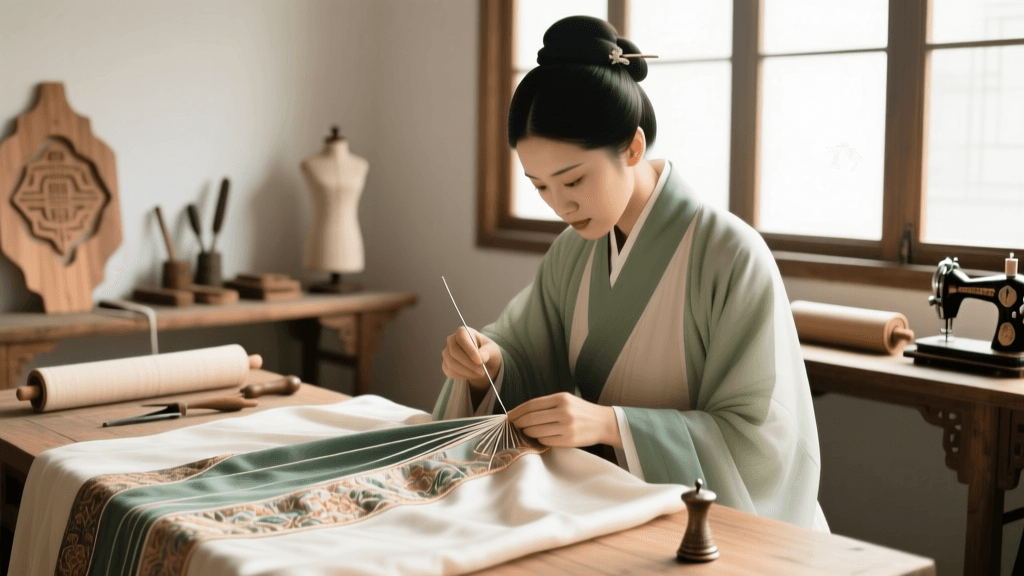
For those focused on the structural integrity and historical accuracy of garment construction, the Beijing Institute of Fashion Technology offers the premier Heritage Tailoring Certification. The 2026 curriculum has been updated to include advanced 3D body scanning integrated with traditional pingmian caijian (flat pattern cutting). Students spend six months mastering the geometric precision required for Ming Dynasty cross-collar robes and the complex pleating mathematics of the mamianqun (horse-face skirt). The program culminates in a practical exam where candidates must draft, cut, and hand-stitch a historically verified zhiduo (scholar's robe) using period-accurate seam finishes.
2. Donghua University Traditional Textile & Dyeing Certificate
Located in Shanghai, Donghua University is globally renowned for its textile engineering and fashion design faculties. Their 2026 Traditional Textile & Eco-Dyeing Certificate focuses on the raw materials that make Hanfu truly authentic. This intensive workshop series covers the cultivation and processing of ramie and mulberry silk, alongside mastery of natural dyeing techniques using indigo, madder root, and pagoda tree buds. The 2026 cohort also introduces a new module on replicating Song Dynasty lightweight gauzes (luo) using modern, sustainable loom modifications, bridging the gap between ancient luxury and contemporary eco-friendly practices.
3. China Hanfu Association (CHA) Certified Stylist Program
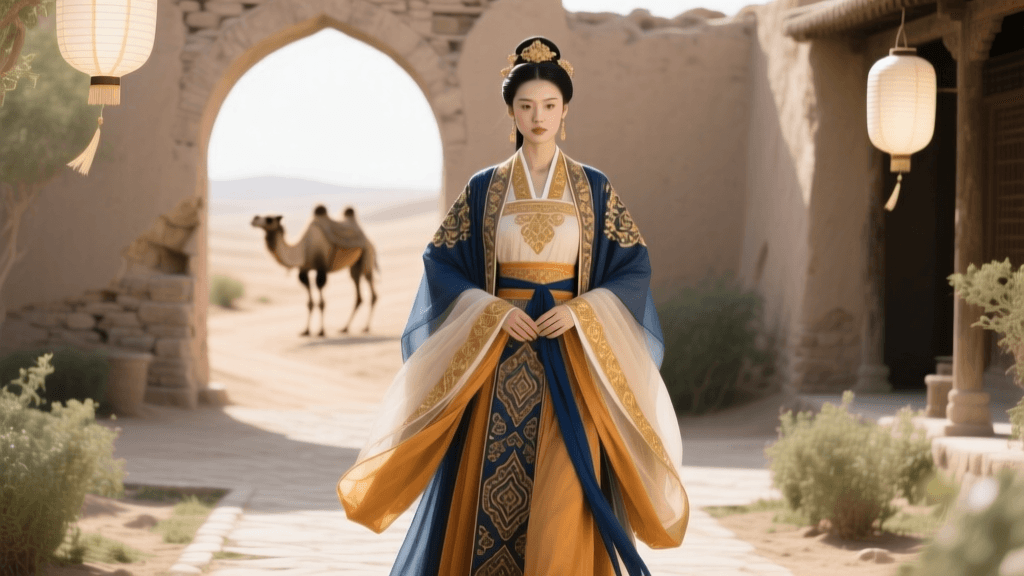
While tailoring and textiles focus on the creation of the garments, the CHA Certified Stylist Program focuses on the wearing, draping, and cultural context of Hanfu. This certification is essential for professionals working in heritage tourism, ceremonial planning, and media. The 2026 syllabus requires students to memorize the strict sumptuary laws and color hierarchies of the Tang and Ming dynasties. Practical workshops teach the intricate art of traditional hairpin placement, the proper draping of the pibo (silk shawl), and the correct layering of undergarments (zhongyi) to achieve the dignified silhouettes seen in historical portraiture.
Comparing the Top Hanfu Education Pathways
To help you choose the right specialization, we have compiled a comparison of the leading 2026 certification programs based on curriculum focus, duration, and investment.
| Program | Primary Focus | Duration | 2026 Tuition (RMB) | Best For |
|---|---|---|---|---|
| BIFT Heritage Track | Pattern Drafting & Tailoring | 6 Months | ¥28,000 | Costume Designers & Pattern Makers |
| Donghua Textile Cert | Silk Weaving & Natural Dyeing | 4 Months | ¥22,500 | Textile Artists & Sustainable Brands |
| CHA Stylist Program | Draping, Hair & Ceremonial Rules | 8 Weeks | ¥12,000 | Wedding Planners & Heritage Stylists |
| Suzhou Embroidery Inst. | Hand Embroidery (Suzhou Xiu) | 12 Months | ¥45,000 | Artisans & Luxury Embellishers |
Core Curriculum: What You Will Master
Regardless of the specific institution you choose, any reputable Hanfu certification program in 2026 will require you to demonstrate proficiency in several foundational concepts. Expect your coursework to heavily feature the following technical and historical modules:
- Jiaoling Youren (Cross-Collar, Right Lapel): Understanding the deep philosophical and historical roots of the left-over-right wrapping method, and learning the precise angle calculations required to ensure the collar lays flat against the clavicle without gaping.
- Sleeve Architecture: Drafting the distinct sleeve shapes that define different eras, including the narrow sleeves of the early Ming, the sweeping broad sleeves of the Tang, and the structured琵琶袖 (pipa sleeves) that require specialized gusset placement for arm mobility.
- Historical Seam Finishes: Moving beyond modern sergers to master traditional hand-sewn edge bindings (xiangbian), rolled hems, and the hidden stitching techniques used to line winter garments with silk floss or faux fur.
- Dynasty-Specific Proportions: Learning how the ratio of waist-to-hem and sleeve-to-cuff shifts dramatically between the slender, high-waisted silhouettes of the Song Dynasty and the voluminous, grounded profiles of the Ming Dynasty.
- Intangible Cultural Heritage Context: Studying the preservation of traditional craftsmanship as recognized by organizations like UNESCO Intangible Cultural Heritage, ensuring that modern reproductions respect the living history of the artisans who kept these techniques alive through the centuries.
Career Opportunities and Industry Demand
The commercial and cultural viability of Hanfu has exploded. In 2026, the global market for traditional Asian garments is valued in the billions, driven by a resurgence in cultural pride and the globalization of Asian historical dramas. Graduates of these certification programs are finding lucrative and fulfilling careers in several sectors.
Film and television production companies are increasingly hiring certified Hanfu historians as on-set consultants to prevent anachronisms in period pieces. Heritage tourism sites, such as the restored imperial gardens in Suzhou and Xi'an, employ certified stylists to manage high-end experiential rentals, ensuring visitors are dressed and styled with historical dignity. Furthermore, the luxury fashion sector is actively recruiting Donghua and BIFT graduates to integrate traditional weaving and natural dyeing techniques into contemporary global runway collections, creating a bridge between ancient Asian traditions and modern sustainable fashion.
How to Enroll and Prepare Your Portfolio
Admission to the top-tier 2026 Hanfu certification programs is highly competitive. Institutions like BIFT and Donghua require applicants to submit a portfolio demonstrating basic sewing proficiency, an understanding of textile drape, and a clear statement of purpose regarding their interest in historical preservation.
For international students, language can be a barrier, as the deepest technical terminology is rooted in classical Chinese. However, recognizing the global interest in Asian traditions, several 2026 cohorts now offer bilingual instruction or intensive Mandarin-for-Fashion preparatory modules. Prospective students should begin preparing their portfolios at least six months in advance, focusing on creating reproduction pieces from museum archives rather than relying on modern, commercialized fantasy designs. By committing to these rigorous educational pathways, the next generation of artisans will ensure that the profound beauty and technical brilliance of Hanfu continue to thrive for centuries to come.