Top Japanese Fashion Blogs for Traditional Garments 2026
The Digital Renaissance of Wafuku Journalism
As we navigate the dynamic fashion landscape of 2026, the intersection of traditional Japanese garments—collectively known as wafuku—and contemporary digital media is more vibrant and influential than ever before. Over the past decade, Japanese fashion journalism has undergone a seismic shift. The iconic print magazines that once dictated the street style of Harajuku and Shibuya have largely transitioned into immersive, digital-first platforms. Today, the most compelling fashion journalism is happening online, where independent bloggers, digital editors, and cultural curators are actively redefining how the world interacts with the kimono, yukata, haori, and hakama.
In 2026, the narrative surrounding traditional garments is no longer confined to ceremonial wear or historical preservation. Instead, Japanese online magazines and niche fashion blogs are championing a radical, sustainable revival. They are documenting how younger generations are upcycling vintage textiles, integrating Nishijin-ori weaves into tech-wear, and styling antique obi belts with modern silhouettes. For global enthusiasts, collectors, and designers, following these digital publications is no longer optional; it is essential for understanding the pulse of Asian sartorial traditions in the modern era.
Leading Japanese Online Magazines and Blogs
The digital ecosystem of Japanese fashion journalism is vast, but a select few platforms have emerged as the definitive voices for traditional garment styling, artisanal craftsmanship, and secondhand market navigation. Here are the premier digital publications shaping the wafuku discourse in 2026.
Nanaoh Digital: The Accessible Kimono Authority
Originally launched as a print magazine by the renowned Kimono Yamato brand, Nanaoh has fully embraced its digital transformation. In 2026, Nanaoh Digital is the premier online destination for accessible, modern kimono styling. The publication excels at breaking down the notoriously complex rules of kitsuke (the art of wearing a kimono) into digestible, visually stunning digital editorials. Their 2026 interactive lookbooks allow readers to toggle between different seasonal obi knot styles and collar alignments. Furthermore, Nanaoh frequently features interviews with young, independent kimono stylists who are pioneering the use of washable silk and synthetic blends, making traditional garments practical for everyday urban commuting.
Vogue Japan: Elevating Artisanal Textiles
While Vogue Japan covers the full spectrum of global high fashion, its dedicated craftsmanship and culture verticals are unparalleled in their coverage of traditional Japanese textiles. In 2026, Vogue Japan’s digital editorial team has heavily focused on the intersection of luxury fashion and heritage dyeing techniques. Recent features have spotlighted the revival of Yuki Tsumugi (a highly prized, hand-spun silk pongee) and its integration into contemporary avant-garde silhouettes by Tokyo-based designers. Vogue Japan provides a macro-level view of how traditional garments are influencing global runways, offering high-resolution digital galleries that showcase the microscopic details of hand-painted Yuzen silk.
Independent Street Style Curators and Micro-Blogs
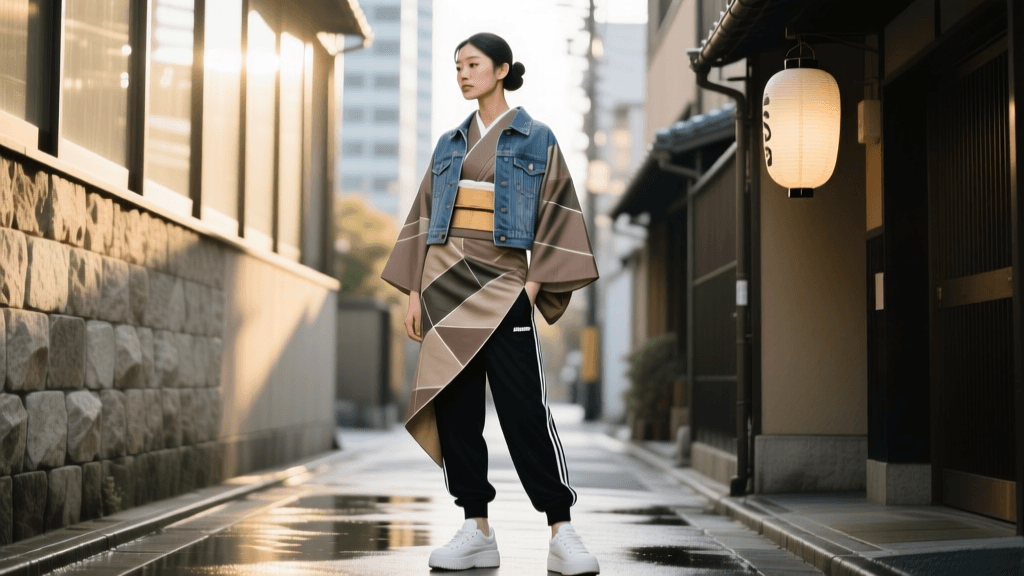
Beyond the legacy publishing houses, the most cutting-edge wafuku styling is being documented by independent digital journalists on platforms like Substack, Instagram, and specialized digital zines. Blogs focusing on the Ura-Harajuku and Daikanyama street style scenes are capturing the 'Wafuku-Cyber' aesthetic—a 2026 trend where vintage, indigo-dyed samue and jinbei are layered over technical streetwear. These micro-journalists act as crucial scouts, often being the first to document underground secondhand pop-up markets where rare Meiji-era haori are traded and upcycled.
2026 Trend Report: What the Bloggers Are Styling
By analyzing the editorial output of Japan’s top digital fashion magazines over the last six months, several distinct styling trends have emerged for 2026. Fashion journalists are actively promoting these looks to encourage the daily wear of traditional garments:
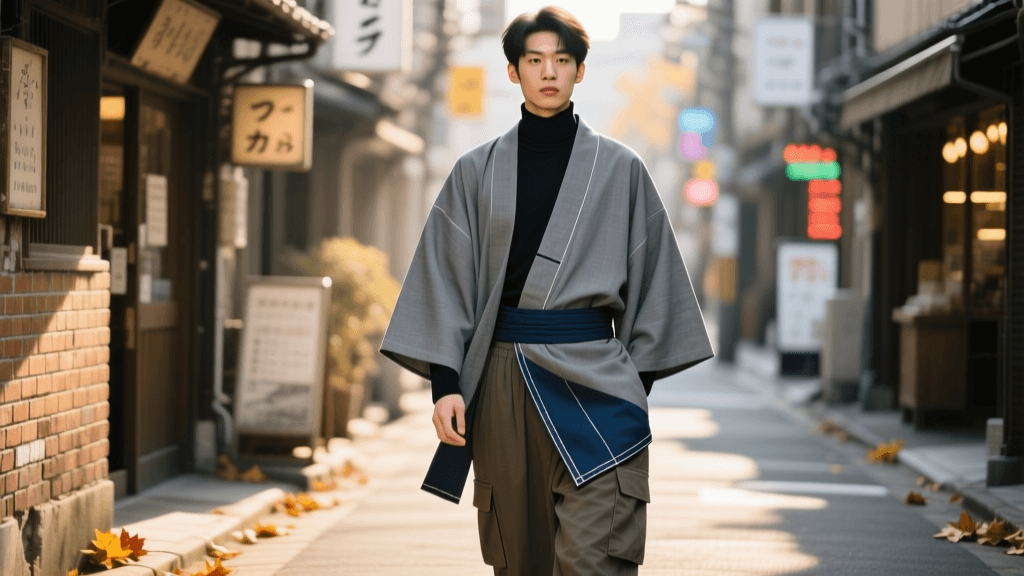
- The Haori as Outerwear: The hip-length haori jacket has become a staple of 2026 transitional weather styling. Bloggers are frequently documenting vintage, unlined silk haori worn open over wide-leg denim or tailored wool trousers, replacing the traditional Western blazer.
- Upcycled Obi Accessories: With the cost of pristine, hand-woven obi belts remaining high, digital magazines are highlighting artisans who deconstruct damaged antique obi into structured corsets, wide statement belts, and even luxury tech-wear harnesses.
- Washable Silk and Tech-Yukata: Sustainability is a massive focus in 2026 fashion journalism. Bloggers are extensively reviewing new, high-performance washable silk kimono and moisture-wicking yukata fabrics designed for Japan’s increasingly intense and humid summers, bridging the gap between traditional aesthetics and climate adaptation.
- Genderless Hakama: Digital zines are heavily covering the 'genderless' fashion movement in Tokyo, where pleated hakama trousers are being styled with oversized knitwear and chunky footwear, completely detached from their traditional academic or martial arts connotations.
Platform Comparison Chart: Where to Focus Your Reading
To help you navigate the Japanese digital fashion journalism landscape, we have compiled a comparison of the top platforms covering traditional garments in 2026.
| Publication / Platform | Primary Editorial Focus | 2026 Digital Format | Target Audience |
|---|---|---|---|
| Nanaoh Digital | Accessible styling, kitsuke tutorials, seasonal coordination | Interactive lookbooks, AR fitting tools, video essays | Beginners, daily wearers, modern traditionalists |
| Vogue Japan (Culture) | High fashion, artisanal craftsmanship, runway integration | Long-form digital editorials, high-res macro photography | Designers, luxury collectors, fashion academics |
| Tokyo Kimono Hub | Secondhand market guides, rental shop reviews, local events | Directory listings, community forums, weekly newsletters | Tourists, expats, budget-conscious vintage hunters |
| Indie Street Zines | Upcycling, subculture styling, underground pop-up markets | Substack newsletters, visual micro-blogs, zine PDFs | Streetwear enthusiasts, DIY upcyclers, Gen Z creatives |
Actionable Sourcing Guide: Using Blogs to Navigate the 2026 Market
Reading Japanese fashion blogs is only the first step; utilizing their insights to source your own traditional garments requires strategic action. In 2026, the secondhand kimono market (often referred to as recycle kimono) is booming, driven by the sustainability mandates championed by digital journalists. Here is how you can use blog recommendations to build your collection.
Navigating Proxy Services and Digital Auctions
Top Japanese fashion bloggers frequently review and recommend specific proxy shopping services that allow international buyers to purchase from Japanese online auctions and domestic e-commerce sites. When a blogger highlights a rare Oshima Tsumugi (mud-dyed silk) piece on a domestic auction site, you can use recommended proxy services to bid on the item. In 2026, proxy fees have stabilized, and automated bidding tools integrated into these platforms make it easier for international collectors to secure vintage pieces before they are snapped up by local vintage dealers.
Understanding 2026 Pricing Metrics
Digital magazines often publish seasonal price guides for secondhand garments. As of early 2026, fashion journalists report that a high-quality, vintage casual komon kimono (featuring repeating stenciled patterns) averages between 8,000 and 15,000 JPY in online recycle shops. Conversely, authenticated, pre-war formal garments with intact family crests (kamon) are seeing a price surge, often starting at 45,000 JPY. Bloggers advise readers to look for shops that provide detailed measurements in centimeters—specifically the yuki (sleeve-to-center-back length) and mitake (back length)—as vintage sizing differs drastically from modern Western proportions.
Leveraging AR and Digital Fitting Tools
Several leading digital magazines have integrated Augmented Reality (AR) tools into their 2026 web platforms. Before purchasing a vintage haori or yukata online, readers can upload their body measurements to the magazine’s portal to visualize how the specific garment's drape and sleeve length will translate to their frame. Fashion journalists highly recommend utilizing these tools to avoid the costly returns associated with international proxy shipping.
The Cultural Impact of Digital Preservation
The role of Japanese fashion journalism in 2026 extends far beyond mere aesthetics; it is an active form of cultural preservation. As noted by cultural commentators in The Japan Times Culture Section, the digital documentation of regional dyeing techniques and weaving styles is crucial as the population of master artisans continues to age. When an online magazine dedicates a sprawling, multi-part digital feature to the indigo dyers of Tokushima or the bashofu weavers of Okinawa, they are creating a permanent, searchable archive of Asian textile heritage.
Furthermore, the Japan National Tourism Organization (JNTO) frequently collaborates with these digital fashion publications to promote sustainable, culture-based tourism. Instead of the fleeting, fast-fashion rental experiences of the past, 2026 travel guides curated by fashion bloggers encourage visitors to engage in immersive workshops, learn the basics of garment care, and purchase directly from regional artisan cooperatives. This symbiotic relationship between fashion journalism, cultural tourism, and traditional craftsmanship ensures that the wafuku industry remains economically viable and culturally relevant.
Conclusion: The Future of Asian Sartorial Media
The landscape of Japanese fashion journalism in 2026 proves that traditional garments are not relics of the past, but living, breathing components of global fashion. By following the right digital magazines, independent blogs, and online curators, enthusiasts can gain unparalleled access to the styling secrets, market trends, and artisanal stories that define the wafuku revival. Whether you are looking to source a vintage silk haori, understand the mechanics of sustainable textile upcycling, or simply appreciate the breathtaking artistry of Japanese dyeing, the digital press remains your most vital and stylish guide.