Best Hanfu Certification Programs & Workshops 2026
The Professionalization of Hanfu in 2026
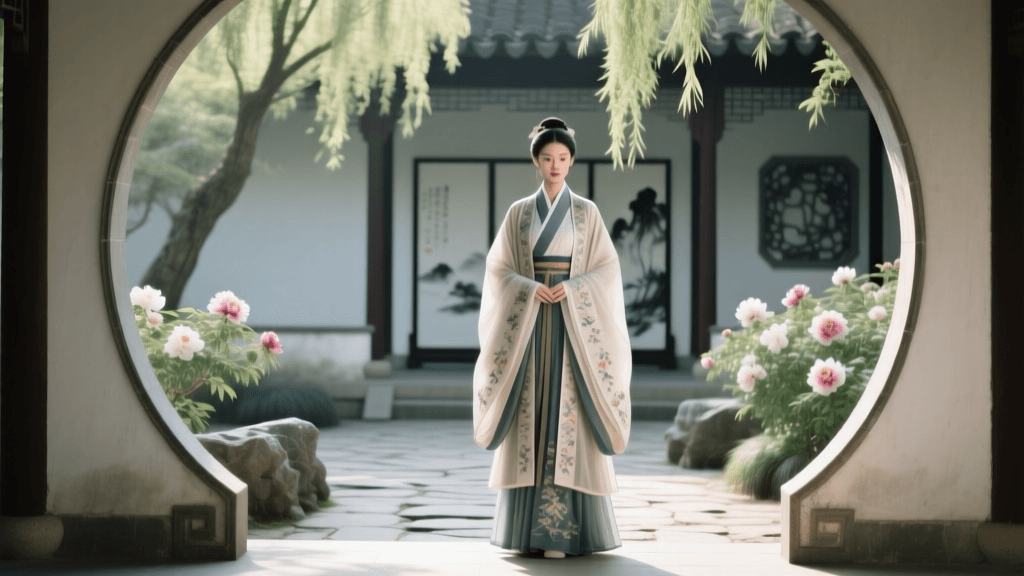
Over the past decade, the Hanfu movement has evolved from a niche internet subculture into a robust, multi-billion-dollar global industry. As we navigate 2026, the demand for historically accurate traditional Chinese clothing has surged, driven by cultural tourism, period drama productions, and a renewed global interest in sustainable, heritage-based fashion. Consequently, informal online tutorials are no longer sufficient for those seeking to build a career in this space. Today, rigorous Hanfu education workshops and formal certification programs have become the gold standard for stylists, textile conservators, and cultural educators.
Whether you are an aspiring costume designer, a boutique owner, or a cultural heritage advocate, obtaining a recognized certification in Hanfu reconstruction and styling is a vital step. This comprehensive guide explores the premier Hanfu certification programs available in 2026, detailing their curricula, costs, and the lucrative career paths they unlock.
Why Pursue a Hanfu Certification?
The modern Hanfu market is highly discerning. Consumers and production studios alike are quick to spot historical inaccuracies, such as the improper use of left-over-right lapels (Jiaoling Youren) or the inclusion of anachronistic fabrics in Ming Dynasty garments. A formal certification provides several distinct advantages:
- Historical Authority: Certification validates your understanding of dynastic evolution, from the flowing Shenyi of the Han Dynasty to the structured Aoqun of the Ming era.
- Textile Mastery: You gain hands-on experience with intangible heritage techniques, such as weaving Xiangyunsha (gambiered Canton gauze) and mastering natural plant dyeing.
- Professional Networking: Top programs connect you with master weavers, museum curators, and leading period drama costume directors.
- Business Credibility: For boutique owners and independent stylists, a certificate from a recognized institute builds immediate trust with high-end clientele seeking authentic ceremonial wear.
Core Curriculum: What You Will Learn in 2026
The most prestigious Hanfu workshops in 2026 have moved beyond basic sewing. They now integrate advanced historical research, digital archiving, and traditional craftsmanship. According to guidelines supported by the UNESCO Intangible Cultural Heritage framework, preserving traditional sericulture and silk craftsmanship requires a deep, practical understanding of the materials. A standard advanced curriculum includes:
1. Dynastic Pattern Drafting and Drapery
Students learn to draft flat patterns that create the distinct three-dimensional silhouettes of traditional garments without relying on Western darts or tailoring. Modules focus heavily on the Tang Dynasty Qixiong Ruqun (chest-high skirt) and the complex pleating mathematics required for the Ming Dynasty Mamianqun (horse-face skirt). Students must understand how different silk weights affect the drape and movement of the garment.
2. Heritage Textile Identification and Sourcing
Identifying authentic Song Brocade (Song Jin) versus modern jacquard imitations is a critical skill. Workshops teach students to analyze thread counts, identify traditional loom markers, and source ethically produced, historically accurate fabrics. The UNESCO Silk Roads Programme highlights the historical trade routes that influenced these textiles, and modern courses incorporate this global context into fabric sourcing strategies.
3. Traditional Accessory and Hair Styling
A complete Hanfu look requires period-accurate accessories. Certification programs include masterclasses in crafting velvet flowers (Ronghua), shaping metal hairpins, and executing complex dynastic hairstyles using traditional jade and wooden pins, avoiding modern elastic bands and synthetic adhesives.
Top 3 Hanfu Certification Programs for 2026
After extensive research into the current educational landscape, we have identified the top three programs that offer the most comprehensive training and industry-recognized credentials this year.
1. The Hangzhou Silk & Heritage Institute: Master Weaver & Stylist Certificate
Located in the heart of China's silk capital, this intensive six-month program is widely considered the pinnacle of Hanfu textile education. The institute partners directly with the China National Silk Museum, offering students access to archival garments. The curriculum is heavily weighted toward material science, natural dyeing (using indigo, madder root, and pomegranate rind), and traditional loom operation. Graduates are highly sought after by luxury heritage brands and museum conservation labs, aligning with the preservation standards championed by institutions like The Metropolitan Museum of Art's Asian Art Department.
2. Beijing Imperial Styling Academy: Cinematic & Ceremonial Hanfu Diploma
Catering to the entertainment and luxury wedding sectors, this 12-week intensive focuses on the visual and structural aspects of Hanfu. Students learn how to adapt historical garments for modern cinematography and high-end ceremonial use without sacrificing historical integrity. The program includes a mandatory apprenticeship with working costume departments in the Hengdian World Studios. Modules on 2026 AR (Augmented Reality) fitting technology allow students to digitally drape and adjust historical patterns on virtual avatars before cutting expensive silk.
3. Global Virtual Hanfu Reconstruction Certificate (Online)
For international students and working professionals, this fully remote, 16-week program offers a rigorous academic approach to Hanfu history and digital pattern making. Utilizing advanced 3D modeling software like CLO 3D and Marvelous Designer, students learn to reconstruct damaged historical garments from museum archives. The final project requires the digital and physical recreation of a specific excavated garment, complete with a 50-page research dossier defending the historical choices made.
Cost and Time Investment Comparison
Choosing the right program requires balancing your budget, schedule, and career goals. Below is a comparative breakdown of the top programs available in 2026.
| Program Name | Location | Duration | 2026 Tuition (USD) | Primary Focus |
|---|---|---|---|---|
| Hangzhou Silk & Heritage Institute | Hangzhou, China | 6 Months | $3,200 | Textile Weaving, Natural Dyeing, Archival Conservation |
| Beijing Imperial Styling Academy | Beijing, China | 12 Weeks | $2,100 | Cinematic Styling, AR Draping, Ceremonial Wear |
| Global Virtual Hanfu Reconstruction | Online (Global) | 16 Weeks | $1,450 | 3D Pattern Making, Historical Research, Digital Archiving |
Essential Tools for the 2026 Hanfu Student
Enrolling in a certification program requires an investment in specialized tools. While the schools provide heavy machinery like traditional draw-looms, students are expected to bring their own personal kits. In 2026, the standard student kit includes:
- Specialized Silk Shears: Micro-serrated 10-inch shears designed specifically to prevent the fraying of delicate Xiangyunsha and raw silk edges.
- Digital Fabric Analyzer: A pocket-sized digital microscope that connects to a smartphone, allowing students to verify the thread count and weave structure of vintage fabrics sourced in markets.
- Traditional Bamboo Rulers and Weights: Used for flat-pattern drafting to ensure the fabric remains perfectly taut without the use of modern pins that could damage heritage textiles.
- AR Measurement Glasses: A new addition in 2026, these lightweight glasses help stylists take precise 3D body measurements of clients, ensuring the flat-cut Hanfu patterns will drape correctly on the individual's unique proportions.
Career Opportunities for Certified Professionals
The professional avenues for certified Hanfu experts have expanded dramatically. Beyond running an independent boutique, certified professionals in 2026 are securing roles in:
- Cultural Tourism Direction: Designing immersive, historically accurate wardrobe experiences for high-end cultural resorts and heritage sites across Asia.
- Museum Consulting: Assisting curators in the proper mounting, lighting, and conservation of fragile silk garments for exhibitions.
- Period Drama Costume Supervision: Ensuring that the wardrobe departments of major streaming productions adhere to strict dynastic accuracy, a metric that audiences now heavily scrutinize.
- Academic Publishing: Writing and illustrating peer-reviewed papers on the evolution of traditional weaving techniques and regional variations in folk dress.
How to Prepare Your Application and Portfolio
Admission to the top-tier physical workshops in Hangzhou and Beijing is highly competitive. To secure a spot in the 2026 cohorts, applicants must submit a portfolio that demonstrates both technical skill and historical awareness. Your portfolio should include:
- Original Sketches: Hand-drawn illustrations of traditional garments, complete with notes on the historical period, fabric choice, and seam placement.
- Physical Samples: High-resolution photographs of garments you have constructed, highlighting your finishing techniques, such as hand-rolled hems and traditional knot buttons (Pankou).
- Research Essay: A brief, well-cited paper (1,500 words) analyzing a specific textile innovation from the Silk Road era and its impact on modern Hanfu reconstruction.
Conclusion
The Hanfu renaissance has matured into a sophisticated discipline that demands respect for history, mastery of craft, and an understanding of modern technology. By investing in a formal certification program in 2026, you are not merely learning to sew; you are becoming a custodian of Asian cultural heritage. Whether you choose the textile-focused labs of Hangzhou or the digital reconstruction courses available globally, the knowledge you acquire will position you at the forefront of the traditional garment industry for decades to come.