Top Hanfu Historical Styling Certifications in 2026
The Professionalization of Hanfu Education in 2026
As we navigate the cultural landscape of 2026, the Hanfu movement has evolved far beyond a niche internet subculture or a fleeting social media trend. Today, traditional Chinese clothing represents a multi-billion-dollar global industry, driving immense demand for professional stylists, historical consultants, and cultural educators. With this explosive growth, the need for formalized Hanfu education workshops and rigorous certification programs has never been more critical. Enthusiasts and professionals alike are now seeking accredited pathways to master the intricate art of historical draping, textile identification, and dynasty-specific styling.
The shift toward historical accuracy, often referred to as the Kaozheng (evidential research) movement within the community, means that modern stylists must possess a deep understanding of socio-historical contexts, garment architecture, and traditional etiquette. As noted by BBC Culture, the revival of Hanfu is deeply tied to a broader search for cultural identity and historical continuity, making the role of the certified Hanfu stylist both an artistic and an academic pursuit.
Top Hanfu Certification Programs Compared
Choosing the right certification program depends on your career goals, preferred historical era, and learning format. Below is a comprehensive comparison of the premier Hanfu education workshops and certification tracks available in 2026.
| Program Name | Primary Focus Era | Format | Duration | 2026 Cost (USD) | Certification Tier |
|---|---|---|---|---|---|
| CHA Master Draping Certificate | Tang & Song Dynasties | Hybrid (VR + In-Person) | 6 Months | $2,400 | Master Stylist |
| GITAD Global Educator Module | Ming Dynasty | 100% Online | 12 Weeks | $850 | Certified Educator |
| Suzhou Textile & Styling Intensive | Qing & Republic Era | In-Person Retreat | 14 Days | $3,100 | Textile Specialist |
| Beijing Film Academy Costume Track | Multi-Dynasty | University Semester | 16 Weeks | $4,500 | Theatrical Consultant |
Deep Dive: The Leading Certification Programs
1. The China Hanfu Association (CHA) Master Draping Certificate
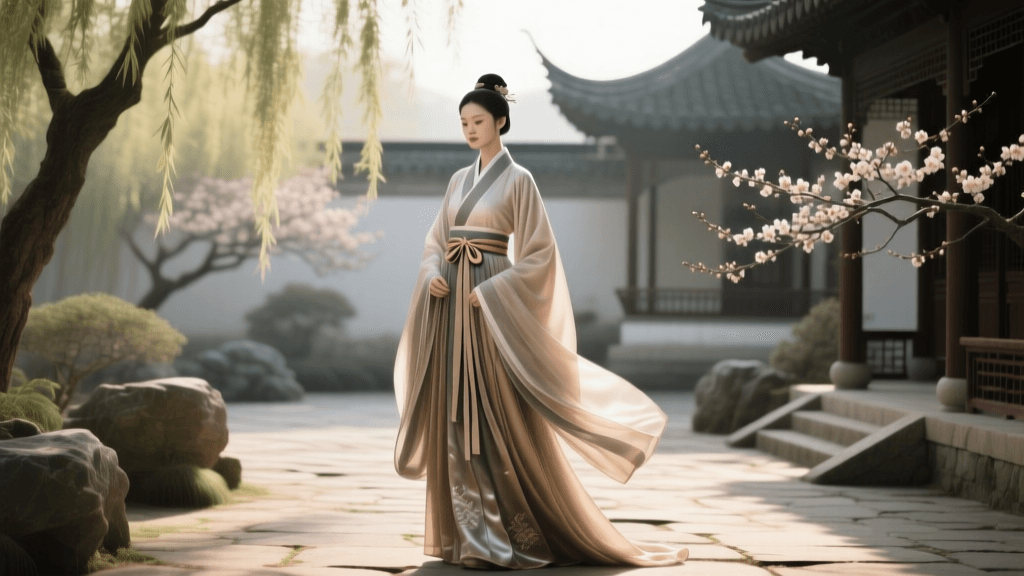
The China Hanfu Association remains the gold standard for domestic and international stylists focusing on the Tang and Song dynasties. In 2026, the CHA introduced a groundbreaking hybrid learning model that utilizes Virtual Reality (VR) draping simulations. This allows international students to practice the complex layering of the Qixiong Ruqun (chest-high skirt) and the precise tensioning of silk sashes in a digital space before handling fragile, authentic textiles.
The curriculum heavily emphasizes the physics of traditional silk weaves and how different weights of damask and gauze behave during movement. Graduates of this program are highly sought after for high-end traditional weddings and international cultural exhibitions, as they possess a verified mastery of dynasty-specific color theory and accessory pairing, such as the correct placement of buyao (step-shake hairpins) based on marital and social status.
2. Global Institute of Traditional Asian Dress (GITAD) Online Modules
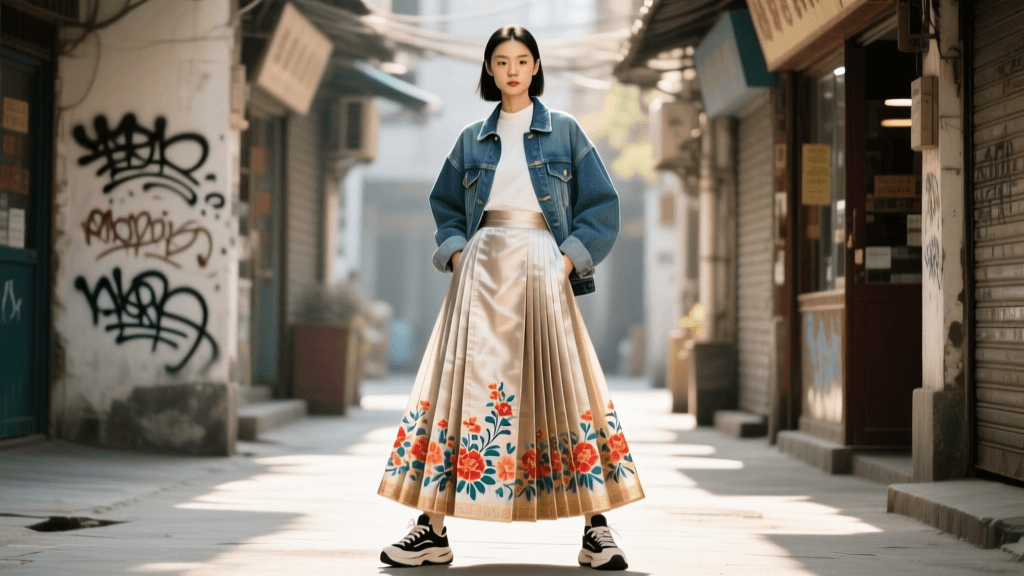
For educators and boutique owners outside of Asia, the GITAD offers the most accessible and comprehensive English-language certification. The 2026 syllabus is heavily weighted toward the Ming Dynasty, a period renowned for its structured silhouettes and intricate weaving techniques. Students dive deep into the construction and styling of the Mamianqun (horse-face skirt) and the Aoqun (jacket and skirt ensemble).
According to the Metropolitan Museum of Art's Heilbrunn Timeline of Art History, the Ming dynasty represented a pinnacle of textile production and sartorial regulation in Chinese history. GITAD’s program reflects this by requiring students to pass rigorous exams on identifying official rank badges (buzi) and understanding the strict sumptuary laws that dictated who could wear specific dragon and phoenix motifs. This academic rigor makes GITAD graduates ideal candidates for museum curation, academic lecturing, and historical consulting.
3. Suzhou Intensive Textile & Styling Retreat
Held bi-annually in the silk capital of Suzhou, this in-person intensive is designed for advanced stylists who want to bridge the gap between garment construction, natural dyeing, and final styling. The 2026 retreat places a special emphasis on Xiangyunsha (gambiered Canton gauze) and the revitalization of intangible cultural heritage weaving techniques. Participants spend their mornings in the dye vats and weaving workshops, and their afternoons learning how to drape and style these unique, weather-responsive fabrics for extreme climate adaptations and modern travel wardrobes.
Core Curriculum: What You Will Master
Regardless of the specific program you choose, top-tier Hanfu certifications in 2026 require mastery of several foundational pillars. A certified stylist must be able to execute the following:
- Architectural Pleating: Mastering the mathematical precision required to maintain the sharp, knife-edge pleats of a Ming dynasty Mamianqun, which often requires calculating the exact fabric width (typically 4.5 to 6 meters) against the wearer's specific waist and hip measurements.
- Layering Protocols: Understanding the strict hierarchy of undergarments (zhongyi), middle layers, and outer garments. This includes ensuring that the collars are layered correctly (left over right, a fundamental rule of traditional Han dress) and that sleeve lengths cascade in historically accurate proportions.
- Accessory Metallurgy & Etiquette: Identifying the historical accuracy of hairpins, combs, and jade pendants. Stylists learn how to construct traditional updos that can support the weight of heavy metalwork without damaging the wearer's hair or the historical artifacts.
- Textile Conservation: Learning how to properly store, clean, and handle antique or high-end reproduction silks, including the use of natural camphor and specialized acid-free tissue folding techniques.
"True mastery of Hanfu styling is not merely about putting on a beautiful garment; it is about understanding the architectural draping, the socio-historical context of every layer, and the profound respect owed to the artisans who wove the fabric."
Career Opportunities for Certified Stylists in 2026
Obtaining a formal Hanfu certification opens a diverse array of lucrative and culturally significant career paths. The global boom in Asian historical dramas and period films has created a massive shortage of qualified on-set costume consultants who can ensure historical accuracy while accommodating the practical needs of modern cinematography.
Furthermore, the luxury wedding sector has seen a 40% increase in demand for fully authenticated traditional Chinese wedding ceremonies. Certified stylists are hired to manage the intricate dressing processes for the bride and groom, which can involve up to seven distinct layers of ceremonial Fengguan Xiapei (phoenix coronet and霞帔 sash) and take several hours to execute correctly. Additionally, cultural tourism boards across Asia are increasingly employing certified Hanfu educators to lead immersive workshops for international tourists, blending travel with hands-on historical education.
How to Prepare for Your Certification
If you are planning to enroll in a Hanfu certification program this year, preparation is key. Begin by building a foundational wardrobe of basic, historically accurate garments to practice daily draping. Familiarize yourself with the terminology of traditional Chinese textiles, such as zhijin (brocade) and luo (gauze). Finally, start a digital portfolio documenting your styling experiments, noting the historical references and any challenges you encounter with fabric tension and pleat retention. With dedication and the right educational pathway, you can position yourself at the forefront of the global Hanfu renaissance.