Top Japanese Fashion Blogs Reviving Traditional Garments 2026
The Digital Renaissance of Wafuku Journalism
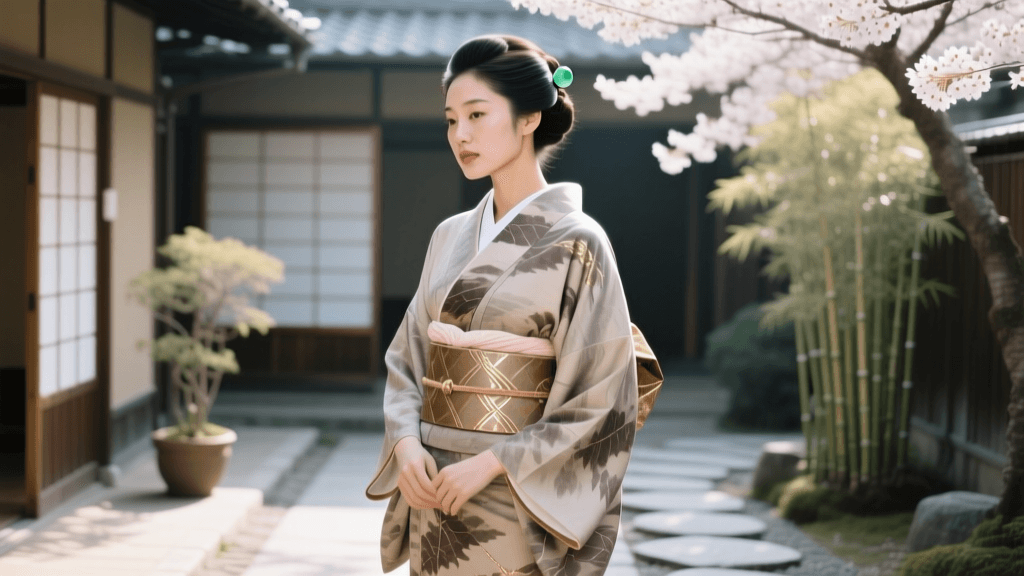
The landscape of Japanese fashion journalism has undergone a radical transformation by 2026. While glossy print magazines once dictated the seasonal trends of Tokyo and Kyoto, the true vanguard of traditional garment revival—known collectively as wafuku—now thrives in the digital sphere. Independent blogs, niche online magazines, and digital-first editorial platforms are leading a cultural renaissance, bridging the gap between centuries-old textile traditions and contemporary global streetwear. For enthusiasts of Asian traditions, understanding this digital shift is crucial to grasping how garments like the kimono, yukata, haori, and hakama are being recontextualized for modern life.
Today's Japanese fashion bloggers are not merely documenting outfits; they are acting as cultural archivists, sustainability advocates, and styling educators. They explore the intricate world of secondhand vintage markets in neighborhoods like Shimokitazawa and Koenji, decode the complex rules of seasonal motifs, and champion the upcycling of damaged silk into modern silhouettes. According to cultural analyses featured in The Japan Times Culture Section, this digital storytelling has been instrumental in lowering the barrier to entry for younger generations who previously viewed traditional garments as overly formal or inaccessible.
Essential Japanese Online Magazines and Blogs to Follow
If you want to stay ahead of the curve in 2026, you must look beyond mainstream fashion portals. The following digital publications and independent blogs are the authoritative voices shaping the neo-wafuku movement.
WAWON: The Vanguard of Modern Kimono Lifestyle
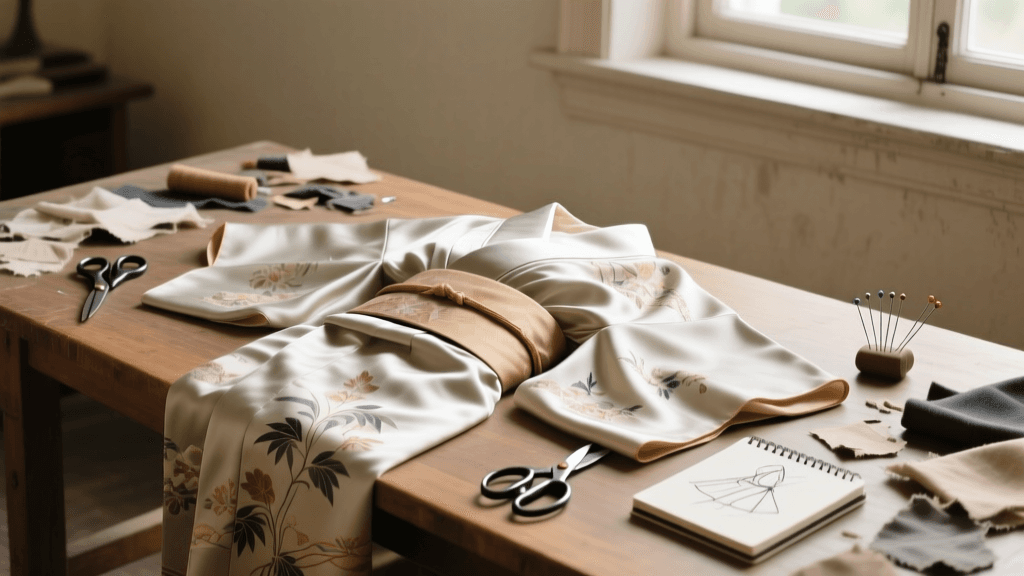
WAWON has cemented its position as the premier digital magazine for the modern kimono enthusiast. Originally launched to challenge the rigid, conservative rules of kimono dressing, WAWON's 2026 editorial calendar focuses heavily on 'Neo-Wafuku'—the seamless integration of traditional garments into everyday urban wardrobes. Their photo essays frequently feature models pairing vintage meisen silk kimono with chunky sneakers, or styling lightweight summer yukata as open dusters over minimalist linen dresses. WAWON's dedicated section on upcycling provides step-by-step visual guides on how to transform stained or torn heirloom textiles into modern accessories, tote bags, and even tailored blazers.
SOTOKOTO Online: Sustainability Meets Heritage Textiles
While SOTOKOTO has roots in outdoor and eco-lifestyle journalism, its 2026 digital expansion into heritage textiles is unmatched. The platform focuses on the environmental and ethical dimensions of traditional Japanese clothing. Their long-form investigative pieces highlight the artisans behind natural dyeing techniques, such as aizome (indigo) and kusakizome (plant dyeing). SOTOKOTO's bloggers frequently travel to rural weaving cooperatives in regions like Okinawa and Niigata, documenting the creation of bashofu (banana fiber cloth) and echigo-jofu (fine ramie). For the eco-conscious fashion lover, SOTOKOTO provides a vital link between sustainable fashion and ancient Asian textile traditions.
Independent Creators on Note.com and Substack
The most granular, hyper-specific fashion journalism in 2026 is happening on decentralized platforms like Note.com (Japan's premier digital publishing platform) and Substack. Independent stylists and kimono kitsuke (dressing) instructors use these platforms to publish deep-dive newsletters. Topics range from the mathematical precision of folding a formal fukuro obi to the historical evolution of the haori jacket from a male samurai garment to a genderless streetwear staple. These independent bloggers often host live-streamed Q&A sessions, offering real-time advice on how to navigate the overwhelming inventory of online vintage kimono auctions.
2026 Trend Report: What the Bloggers Are Styling Now
Based on the consensus across top Japanese fashion blogs this year, several distinct styling trends have emerged that redefine how traditional garments are worn globally.
- The Haori-Techwear Fusion: Bloggers in Tokyo's Harajuku and Shibuya districts are layering sheer, summer-weight ro or sha silk haori jackets over dark, utilitarian techwear. The contrast between the delicate, hand-painted floral motifs of the haori and the structured, water-resistant nylon of modern streetwear creates a striking cyberpunk-meets-heritage aesthetic.
- Hakama as Wide-Leg Trousers: The hakama, traditionally worn over a kimono for formal occasions or martial arts, is being styled by fashion journalists as standalone wide-leg trousers. Paired with cropped knitwear or oversized blazers, the hakama's signature pleats offer a dramatic, architectural silhouette that rivals any high-fashion runway piece.
- Genderless Yukata Styling: Moving away from heavily gendered floral patterns, 2026's summer festival coverage highlights a surge in minimalist, geometric, and monochrome yukata. Bloggers are championing unisex sizing and styling these cotton garments with leather belts and combat boots, subverting the traditional obi sash entirely.
Comparative Guide: Top Platforms for Traditional Garment Content
To help you navigate the digital ecosystem, we have compiled a comparison of the most influential platforms covering Japanese traditional fashion in 2026.
| Publication / Platform | Primary Focus | Format | 2026 Trend Highlight |
|---|---|---|---|
| WAWON | Modern Kimono Lifestyle & Styling | Digital Magazine & Instagram | Upcycled vintage silk streetwear |
| SOTOKOTO Online | Eco-Fashion & Heritage Textiles | Web Portal & Long-form Essays | Natural indigo and ramie revivals |
| Note.com (Kimono Tags) | Education, History & Kitsuke | Independent Newsletters & Blogs | AI-assisted vintage pattern matching |
| Harajuku Wafuku Archives | Street Style Photography | Photo Blog & Digital Zines | Haori layered over techwear |
Actionable Guide: Shopping the Bloggers' Vintage Picks
Reading about these stunning garments is only half the experience; acquiring them is the next step. Japanese fashion bloggers frequently source their pieces from the thriving secondhand market, a practice that aligns with the 2026 ethos of circular fashion. Here is how international readers can shop like the insiders.
1. Navigating Online Vintage Auctions
Most Japanese bloggers source high-quality, affordable silk kimono and haori from Yahoo! Auctions Japan and Mercari. Since these platforms restrict direct international purchasing, you must use a proxy buying service. In 2026, services like Buyee and ZenMarket remain the industry standards. They provide warehouse consolidation, allowing you to bundle a vintage kimono, a silk obi, and a pair of zori sandals into a single international shipment, significantly reducing airmail costs.
2. Understanding Fabric and Condition Terminology
When reading Japanese blog reviews or vintage listings, understanding condition terminology is vital. Bloggers often warn about shimi (stains from aging silk proteins) and shwa-shimi (specific yellowing common in mid-20th-century garments). Conversely, a listing marked as shinsaki means the garment is vintage but never worn, often still bearing its original paper tags and basting stitches. Bloggers highly recommend seeking out shinsaki pieces for the best value and structural integrity.
3. Utilizing Browser Translation and Visual Search
While many top Japanese fashion blogs are written entirely in Japanese, the visual nature of the content transcends language barriers. Use browser extensions equipped with AI-driven contextual translation to read styling notes. Furthermore, bloggers frequently use image-search tools to trace the lineage of specific textile patterns, such as yuzen dyeing or shibori tie-dye, linking directly to regional artisan cooperatives that support the Japan National Tourism Organization's initiatives for preserving traditional crafts.
The Cultural Impact of Digital Storytelling
The influence of these online magazines extends far beyond mere aesthetics; it is actively preserving endangered crafts. By spotlighting rural artisans and demystifying the complex rules of traditional dress, fashion bloggers are driving a new wave of consumer demand that sustains the industry. As noted by curators at the Victoria and Albert Museum, the global fascination with the kimono is no longer confined to museum glass cases; it is a living, breathing fashion ecosystem driven by digital communities.
In 2026, the narrative surrounding Asian traditional garments is one of adaptation and resilience. Japanese fashion journalism blogs and online magazines have successfully transformed the kimono from a relic of the past into a dynamic, sustainable, and fiercely creative component of the global wardrobe. Whether you are a seasoned collector of vintage textiles or a newcomer looking to style your first yukata, these digital platforms offer an indispensable roadmap to the rich, evolving world of wafuku.