Best Hanfu Education Workshops & Certifications 2026
The Renaissance of Hanfu Education in 2026
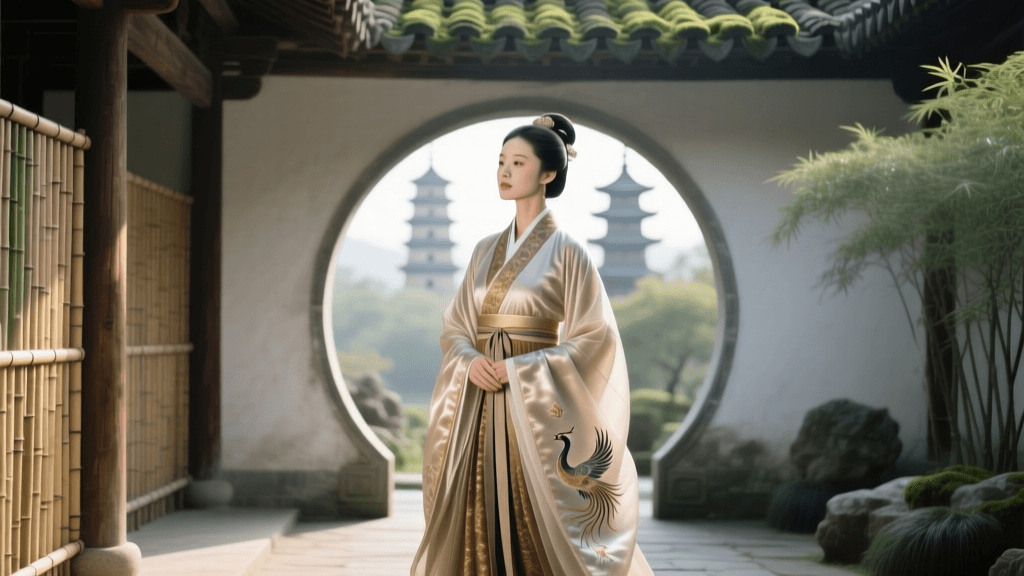
The Hanfu movement has evolved dramatically from a niche internet subculture into a globally recognized pillar of Asian traditional fashion. As we navigate 2026, the demand for structured Hanfu education workshops and formal certification programs has reached an all-time high. Enthusiasts are no longer satisfied with simply purchasing off-the-rack garments; they are seeking deep, academic, and practical knowledge regarding historical accuracy, textile conservation, and traditional draping techniques. According to Hanfu historical documentation, the clothing of the Han Chinese people encompasses a vast array of silhouettes spanning over three millennia, making formal education essential for anyone looking to master the craft.
Whether you are an aspiring wardrobe stylist for historical dramas, a cultural tourism ambassador, or a dedicated hobbyist, enrolling in a certified program provides the rigorous foundation needed to respect and preserve these sartorial traditions. Furthermore, institutions aligned with the UNESCO Intangible Cultural Heritage frameworks are now offering specialized modules that protect ancient weaving and dyeing techniques from being lost to fast fashion.
Why Pursue a Hanfu Certification in 2026?
The professionalization of Hanfu styling has created a lucrative and culturally significant career path. In 2026, certified Hanfu stylists are in high demand across several sectors:
- Film and Television Wardrobe: Streaming platforms producing high-budget historical epics require certified consultants to ensure dynasty-accurate layering and collar alignments.
- Cultural Tourism and Hospitality: Luxury hotels and heritage sites in cities like Xi'an, Hangzhou, and Luoyang employ certified cultural ambassadors to lead immersive historical experiences.
- Bridal and Ceremonial Styling: Traditional Han Chinese weddings require intricate knowledge of the Dahu (overcoat) and Mamianqun (horse-face skirt) pleating structures.
- Textile Conservation: Museums require specialists who understand the structural stress points of historic silk garments to properly mount and display them.
Top Hanfu Workshops and Certification Programs
To help you navigate the educational landscape, we have evaluated the most prestigious Hanfu certification programs available in 2026. These programs range from intensive in-person masterclasses to comprehensive online academies.
1. Beijing Institute of Fashion Technology (BIFT) - Continuing Education Certificate
For those seeking academic rigor, BIFT offers a 12-week continuing education certificate focused on the intersection of historical textiles and modern conservation. The curriculum dives deep into the structural differences between the Shenyi (deep robe) of the Han Dynasty and the Aoqun (jacket and skirt) of the Ming Dynasty. Students spend 40 hours in the textile archives, learning to identify period-accurate weave structures like Song brocade and Kesi (silk tapestry). Cost: $2,400 USD. Format: Hybrid (8 weeks online, 4 weeks in Beijing).
2. China Silk Museum Masterclasses (Hangzhou)
Located in the heart of China's silk capital, the China Silk Museum hosts seasonal, intensive workshops focusing on materiality and traditional eco-friendly dyeing. The 2026 spring cohort focuses entirely on Xiangyunsha (gambiered Canton gauze), a highly prized, sweat-resistant silk dyed with river mud and plant extracts. Participants learn the precise temperature and humidity controls required for natural dyeing, as well as the proper draping techniques to prevent tearing this delicate, paper-like fabric. Cost: $850 USD. Format: 2-week in-person intensive.
3. Global Online Hanfu Styling & Draping Academy
For international students and working professionals, this fully online certification focuses on the practical mechanics of dressing. The course features high-definition, multi-angle video tutorials on how to properly tie the various sashes, secure the Pibo (shawl), and achieve the perfect pleat distribution on a 6-meter Mamianqun. The final exam requires students to submit a video portfolio demonstrating the "left over right" (jiaoling youren) collar rule across five different dynasty silhouettes. Cost: $395 USD. Format: 6 weeks, self-paced online.
Curriculum Breakdown: Core Competencies
Regardless of the institution you choose, a reputable 2026 Hanfu certification program will test you on the following core competencies:
- The Jiaoling Youren Rule: Mastering the philosophical and historical mandate of wrapping the left side of the garment over the right side, a defining characteristic of Hanfu that distinguishes it from historical funerary dress and neighboring cultural garments.
- Dynasty-Specific Silhouettes: Differentiating the flowing, wide-sleeved Daxiushan of the Tang Dynasty from the structured, high-collared, and heavily pleated garments of the Ming Dynasty.
- Undergarment Layering: Understanding the vital role of the Zhongyi (inner garment) and Zhongku (inner trousers) in creating the correct outer silhouette and protecting expensive outer silks from body oils.
- Accessory Pairing: Matching the correct headwear, such as the Guan (crown) or Zan (hairpin), with the specific formality level of the garment.
Comparison Chart: 2026 Hanfu Certification Programs
| Program Name | Focus Area | Duration | Estimated Cost (USD) | Best For |
|---|---|---|---|---|
| BIFT Continuing Ed | Academic History & Conservation | 12 Weeks | $2,400 | Museum Curators, Historians |
| China Silk Museum | Textiles & Natural Dyeing | 2 Weeks | $850 | Textile Artists, Dyers |
| Global Online Academy | Practical Draping & Styling | 6 Weeks | $395 | Stylists, Photographers, Hobbyists |
| Luoyang Heritage Guild | Ceremonial & Bridal Etiquette | 4 Weeks | $600 | Wedding Planners, Event Coordinators |
Essential Tools for the Modern Hanfu Scholar
If you are enrolling in a practical draping or tailoring workshop, you must arrive with the correct tools. Standard Western tailoring kits are often insufficient for handling delicate traditional Asian textiles. Here is the 2026 recommended toolkit for Hanfu students:
- 15mm Blunt-Tip Silk Pins: Sharp pins will snag and permanently damage delicate Xiangyunsha or gauze. Blunt-tip pins slide between the weave threads without breaking them.
- 30cm Bamboo Tailoring Ruler: Metal rulers can catch on silk brocades. Bamboo is smooth, lightweight, and traditionally appropriate for measuring flat-laid garments.
- 19-Momme Mulberry Silk Practice Fabric: Do not practice your draping and pinning on cheap polyester. Invest in at least 3 meters of 19-momme, 114cm wide pure mulberry silk to understand how natural fibers drape, stretch, and fold.
- Weighted Hem Chains: Traditional Hanfu skirts and robes require precise weight distribution to achieve the elegant, sweeping motion seen in historical paintings. Copper weighted chains are essential for practicing hem adjustments.
The Future of Hanfu Education
As we move further into 2026, the integration of augmented reality (AR) in Hanfu education is becoming prevalent. Several top-tier academies now offer AR overlays that allow students to scan a physical mannequin and see the historically accurate under-layers and structural ties mapped out in real-time. This technological leap, combined with a steadfast dedication to ancient craftsmanship, ensures that the profound legacy of Han Chinese clothing will be preserved, respected, and beautifully worn for generations to come. Whether you aim to style for the silver screen or simply wish to wear your Ruqun with absolute historical confidence, formal education is the key to unlocking the true depth of this magnificent tradition.