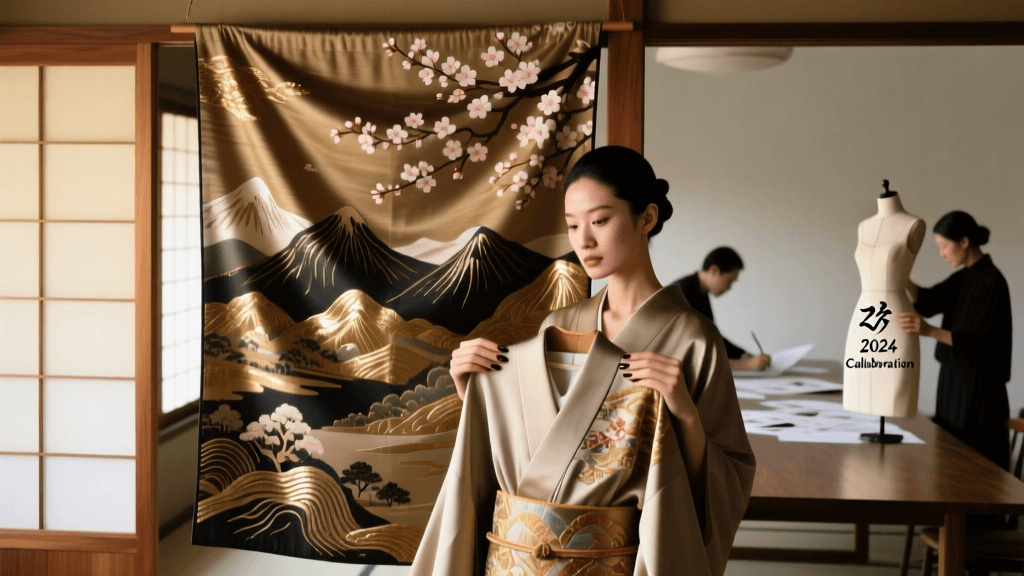
Japanese Kimono Apprenticeships And Fashion Schools 2026
The Evolution of Japanese Garment Education in 2026
The preservation of Japan's sartorial heritage has reached a fascinating inflection point in 2026. As global interest in sustainable, slow fashion surges, the meticulous artistry behind traditional Japanese garments—such as the kimono, yukata, and hakama—has garnered unprecedented international attention. However, the creation of these masterpieces relies on a delicate ecosystem of aging artisans and a new generation of dedicated students. For those seeking to master traditional Japanese textile arts, understanding the dual pathways of formal fashion education and the ancient apprenticeship system is essential.
In 2026, the intersection of ancient techniques like Yuzen dyeing, Nishijin-ori weaving, and Shibori tie-dyeing with modern educational frameworks offers a structured route to becoming a shokunin (master artisan). Whether you are a domestic student or an international applicant, navigating the landscape of Japanese fashion schools and traditional workshops requires precise knowledge of costs, timelines, and cultural expectations.
Top Japanese Fashion Schools for Traditional Arts
While many associate Japanese fashion education with avant-garde streetwear or contemporary design, several prestigious institutions maintain rigorous departments dedicated to traditional garment construction and textile preservation. These schools provide a vital bridge between historical techniques and modern commercial viability.
| Institution | Location | Primary Focus | 2026 Est. Annual Tuition | Duration |
|---|---|---|---|---|
| Bunka Fashion College | Tokyo | Pattern Making & Modern Kimono Integration | ¥1,450,000 | 2-3 Years |
| Kyoto University of the Arts | Kyoto | Nishijin Weaving & Yuzen Dyeing | ¥1,850,000 | 4 Years |
| Tokyo Zokei University | Tokyo | Textile Design & Sustainable Fibers | ¥1,620,000 | 4 Years |
| Kanazawa College of Art | Ishikawa | Kaga Yuzen & Traditional Dyeing | ¥1,780,000 | 4 Years |
Bunka Fashion College: Bridging Eras
Bunka Fashion College remains the undisputed titan of Japanese fashion education. While globally renowned for producing avant-garde designers, its specialized courses in traditional Japanese garment construction are unparalleled. In 2026, Bunka has integrated AI-assisted pattern drafting alongside hand-draping techniques, allowing students to visualize complex kimono layering and obi knot structures in three dimensions before cutting precious silk. The curriculum demands a deep understanding of the tanmono (traditional bolt of fabric) and its strict 38-centimeter width constraint, teaching students how to design without wasting a single thread.
Kyoto University of the Arts: The Heart of Nishijin
Located in the cultural epicenter of Japan, Kyoto University of the Arts offers direct access to the Nishijin weaving district. Students here do not merely study history; they operate century-old wooden jacquard looms and learn the mathematics of tsuzure-ori (tapestry weaving). The university's 2026 syllabus places a heavy emphasis on the chemistry of natural dyes, reviving Edo-period color palettes using locally sourced botanicals like indigo, safflower, and persimmon tannin.
The Traditional Apprenticeship (Deshi) System
For those who prefer immersive, hands-on mastery over academic theory, the deshi (apprenticeship) system remains the most authentic path to becoming a recognized artisan. Unlike the structured semesters of a university, a traditional apprenticeship is a profound lifestyle commitment, often lasting between five to ten years.
Life Inside the Workshop
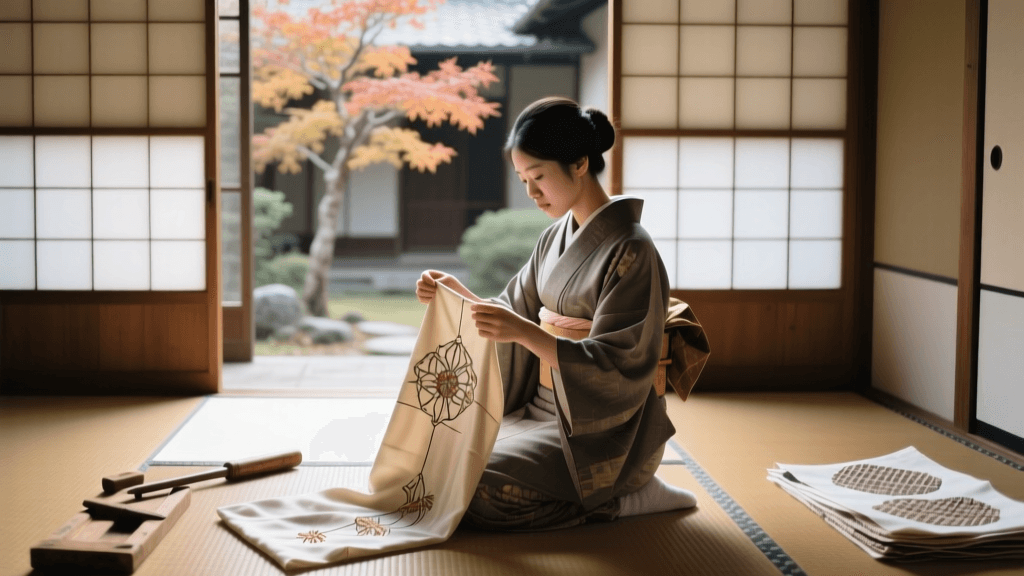
In an apprenticeship, the student lives and works under a master shokunin. The early years are rarely spent touching expensive silk or mixing rare dyes. Instead, an apprentice focuses on shita-zumi (preparation work). This includes washing brushes, stretching fabric on bamboo frames (hari), sweeping the studio, and observing the master's subtle wrist movements. This period tests the apprentice's patience, humility, and dedication—traits deemed just as important as technical skill in Japanese craft philosophy.
Financial Realities and Stipends in 2026
Historically, apprentices received little to no compensation, relying on family support. However, recognizing the severe shortage of young artisans, the landscape has shifted by 2026. Today, many established workshops in Kyoto and Kanazawa offer a modest living stipend ranging from ¥130,000 to ¥160,000 per month. While this is below the national average salary, it is often supplemented by subsidized housing provided by the master's estate or local municipal grants aimed at preserving regional crafts.
Regional Hubs for Specialized Garment Techniques
Choosing where to study or apprentice depends entirely on the specific textile art you wish to master. Japan's traditional garment industry is highly regionalized, with specific towns guarding centuries-old secrets.
- Kyoto (Nishijin-ori & Kyo-Yuzen): The premier destination for luxurious, highly formal kimono. Apprentices here learn gold-leaf application and complex brocade weaving.
- Kanazawa (Kaga-Yuzen): Famous for its hyper-realistic, nature-inspired hand-painted dyeing techniques. The Kanazawa College of Art acts as a major feeder into local workshops.
- Amami Oshima (Oshima Tsumugi): Located in the southern islands, this region specializes in mud-dyed, kasuri (ikat) woven silk. The apprenticeship here requires adapting to island life and learning the fermentation processes of mud and tecchigi (ironwood) bark.
- Niigata (Ojiya Chijimi): The center for high-quality ramie and linen summer garments, focusing on the intricate twisting of threads to create a crepe texture that breathes in Japan's humid summers.
Step-by-Step Path for International Applicants
Entering the closed world of Japanese traditional craftsmanship as a foreigner in 2026 is challenging but increasingly supported by government initiatives. If you are an international student aiming for an apprenticeship or formal schooling, follow this actionable roadmap:
- Achieve JLPT N2 or N1 Fluency: Traditional workshops operate in highly specialized, archaic Japanese dialects. Technical terms for loom parts and dye mordants are not taught in standard language schools. A minimum of JLPT N2 is required for fashion schools, while N1 is virtually mandatory for a direct apprenticeship.
- Build a Textile Portfolio: Even for traditional schools, admissions boards want to see your tactile sensitivity. Include sketches, photographs of your hand-sewing, weaving samples, or natural dyeing experiments.
- Secure a Cultural Visa: Most international students enter on a Student Visa via a fashion college. Transitioning to a Cultural Activities Visa or a Designated Activities Visa for an apprenticeship requires sponsorship from a recognized master or a local craft cooperative.
- Attend a Taiken Gakkai (Open Campus): Schools like Bunka and Kyoto Seika host open campus days in May and August. Attending these allows you to network directly with professors who often hold the keys to introducing promising students to private workshop masters.
Preservation Grants and Institutional Support
The Japanese government actively combats the extinction of traditional crafts. The Association for the Promotion of Traditional Craft Industries (Densan), operating under the Ministry of Economy, Trade and Industry (METI), designates over 230 specific crafts as 'Traditional Craft Products.' In 2026, Densan and local municipalities offer 'Successor Training Grants' which can cover up to 50% of an apprentice's living expenses and material costs for the first three years.
Furthermore, the Agency for Cultural Affairs designates certain master artisans as 'Living National Treasures' (Ningen Kokuho). Workshops led by these masters receive substantial state funding, allowing them to take on more apprentices and purchase expensive raw materials like domestic silk thread, which has seen price fluctuations due to changing agricultural landscapes.
Conclusion: The Future of the Kimono Artisan
Mastering the art of the Japanese kimono in 2026 is not merely an exercise in historical reenactment; it is a commitment to sustainable luxury and profound cultural stewardship. Whether you choose the academic rigor of Bunka Fashion College or the silent, meditative discipline of a Kyoto weaving studio, the path demands immense dedication. As the global fashion industry grapples with the environmental costs of fast fashion, the Japanese philosophy of mottainai (avoiding waste) and the meticulous care embedded in every stitch of a handcrafted kimono offer a powerful, enduring alternative for the future of global textiles.