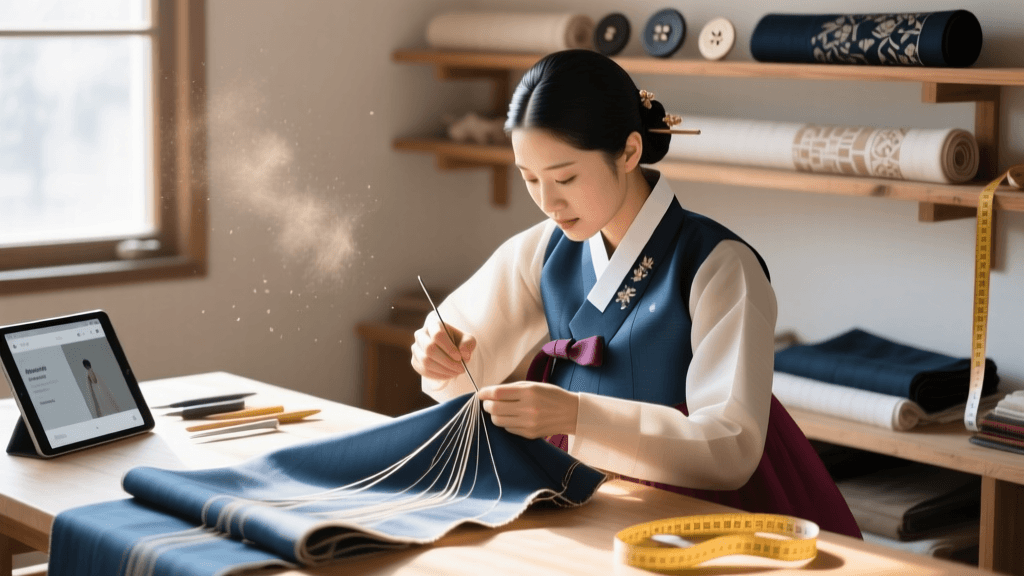
Hanfu in Global Fashion Media 2026: Runway & Editorial Trends
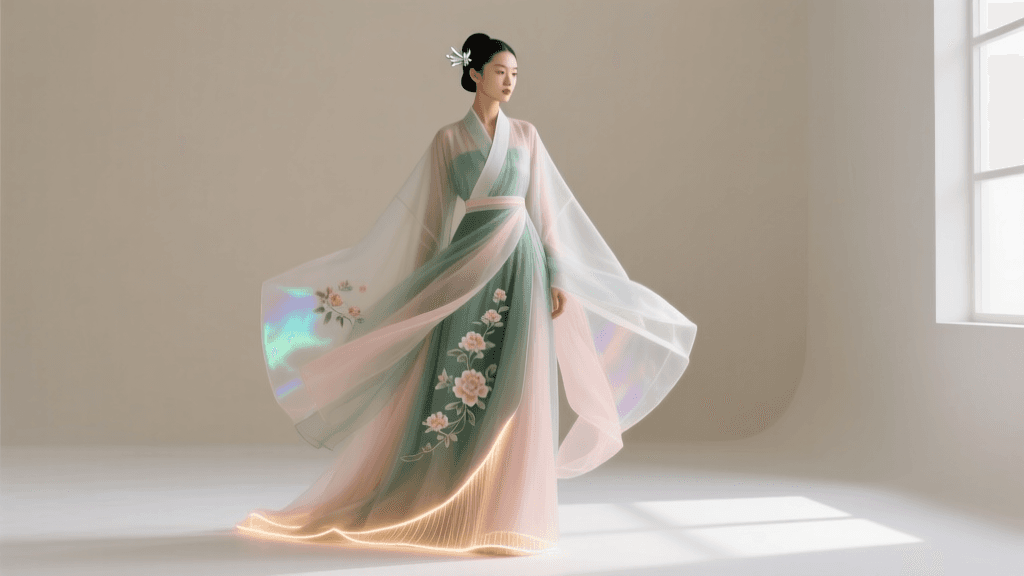
The 2026 Runway Revolution: Hanfu Meets Haute Couture
In the ever-evolving landscape of 2026 global fashion media, the integration of traditional Asian garments into mainstream haute couture has reached an unprecedented zenith. Leading this cultural and sartorial renaissance is the Hanfu, the historical dress of the Han Chinese. Once relegated to niche historical reenactments and regional festivals, Hanfu has firmly established itself as a dominant force on the Spring/Summer and Fall/Winter 2026 runways in Paris, Milan, and New York. Global fashion critics and leading publications are no longer treating these garments as mere exotic inspirations; instead, they are celebrating the structural ingenuity, sustainable textile heritage, and profound elegance inherent in traditional Asian silhouettes.
During the 2026 fashion weeks, major luxury houses and avant-garde designers have deconstructed and reimagined classic Hanfu elements. The mamianqun (horse-face skirt), characterized by its flat front and back panels with intricate side pleats, has been adapted into high-fashion midi and maxi skirts featuring asymmetrical hemlines and sustainable vegan leather trims. Meanwhile, the beizi (a traditional parallel-collar jacket from the Song Dynasty) has been reinterpreted as the ultimate luxury duster coat, crafted from sheer, sustainable organza and lightweight wools. Fashion media outlets have praised this shift, noting that designers are now engaging with the deep historical context of these garments rather than relying on superficial orientalist tropes.
Editorial Styling: Deconstructing Tradition for Modern Media
Beyond the runway, top-tier fashion editorials in 2026 are showcasing Hanfu in highly stylized, contemporary contexts. Leading stylists for global fashion magazines are mastering the art of juxtaposition, pairing centuries-old silhouettes with modern streetwear, minimalist tailoring, and high-tech accessories. This editorial trend reflects a broader cultural shift where traditional Asian garments are viewed as versatile, living fashion rather than static museum pieces.
One of the most prominent editorial trends of 2026 is the 'Neo-Song' aesthetic, which draws heavily on the minimalist, refined lines of Song Dynasty fashion. Stylists are layering delicate, pleated ruqun skirts beneath sharply tailored, oversized blazers, creating a striking contrast between fluid historical drapery and rigid modern tailoring. The color palettes featured in these editorials heavily favor traditional Chinese mineral and botanical dye shades, such as celadon, cinnabar red, and indigo, which are being captured using cutting-edge 2026 digital medium-format photography to highlight the intricate weave of the textiles.
2026 Media Trend Table: Traditional vs. Avant-Garde Adaptations
To understand how global fashion media is translating historical garments for the modern luxury consumer, we must examine the specific adaptations currently dominating editorial spreads and runway showcases.
| Traditional Garment | Historical Context | 2026 High-Fashion Media Adaptation |
|---|---|---|
| Mamianqun | Ming Dynasty pleated wrap skirt | Asymmetrical pleated midi with sustainable vegan leather trims and adjustable modular waistbands (68cm-85cm). |
| Beizi | Song Dynasty parallel-collar jacket | Oversized, unstructured duster coats in sheer organza, worn over minimalist slip dresses. |
| Ruqun | Tang/Song Dynasty chest-high or waist-high skirt | Tiered tulle evening gowns with digital-printed floral motifs and hidden corsetry for modern silhouette support. |
| Dahu | Ming Dynasty sleeveless vest | Cropped, structured puffer vests featuring authentic Song brocade panels, styled with wide-leg denim. |
| Pibo | Tang Dynasty silk shawl/stole | Extra-long, weighted silk scarves integrated into the structural seaming of evening gowns. |
Sustainable Luxury: Xiangyunsha and Song Brocade in the Spotlight
A major driving force behind Hanfu's prominence in 2026 fashion media is the global luxury sector's pivot toward sustainable, heritage-rich textiles. Fashion journalists are heavily focused on Xiangyunsha (gambiered Canton gauze), a complex, eco-friendly silk dyeing technique that utilizes plant dyes and iron-rich mud. Recognized for its profound environmental and cultural significance, this craftsmanship is protected and celebrated globally, as documented by its inclusion on UNESCO's Intangible Cultural Heritage list. In 2026, Xiangyunsha is being heralded as the ultimate sustainable luxury fabric, prized for its breathable, water-resistant properties and its distinctive, earthy patina that deepens with wear.
Similarly, Song Brocade (Song Jin) has seen a massive resurgence in high-fashion media. Unlike the heavier, more ornate brocades of later dynasties, Song Brocade is characterized by its subtle, elegant patterns and softer drape, making it highly suitable for modern garment construction. Designers are utilizing advanced 2026 jacquard loom technologies to replicate these historical weaves using recycled silk fibers and organic cotton blends, appealing to the eco-conscious luxury consumer while maintaining the textile's historical integrity. Curatorial experts at institutions like the Metropolitan Museum of Art's Department of Asian Art have long documented the evolution of these silk techniques, providing the historical foundation that modern designers rely upon to ensure their adaptations remain culturally respectful and accurate.
Actionable Guide: Sourcing and Styling Media-Featured Hanfu
For fashion collectors, stylists, and enthusiasts looking to incorporate 2026's media-featured Hanfu styles into their personal or professional wardrobes, understanding the current market landscape is crucial. The global availability of authentic, high-quality Hanfu has expanded significantly, but navigating the pricing and sourcing requires specific knowledge.
- Sourcing Authentic Pieces: For genuine Xiangyunsha and hand-loomed Song Brocade, buyers should look to specialized heritage boutiques in Shanghai, Hangzhou, and Suzhou, or their verified global e-commerce counterparts. Expect to pay between $800 and $2,500 USD for a single, authentic mamianqun crafted from premium 2026 sustainable silk.
- Editorial-Grade Replicas: For high-quality, machine-woven replicas suitable for editorial styling and daily wear, global luxury e-tailers now offer dedicated 'Neo-Hanfu' collections. These pieces typically range from $150 to $400 USD and feature modernized sizing, including elasticated back-panels and hidden zippers alongside traditional ties.
- Proportions and Measurements: Traditional Hanfu relies on flat-pattern cutting, which naturally accommodates a wide range of body types. However, when purchasing modern adaptations, pay close attention to the 'skirt length' and 'sleeve drop'. For a contemporary editorial look, opt for mamianqun lengths that hit just below the calf (approx. 85-90cm), and beizi jackets with dropped shoulders for a relaxed, modern silhouette.
- Footwear Pairing: While traditional cloud-toe shoes are historically accurate, 2026 fashion media frequently styles Hanfu with chunky, architectural leather boots or minimalist, square-toed mules to ground the ethereal fabrics with a sharp, modern edge.
Care and Preservation for High-Fashion Hanfu
Investing in luxury Hanfu requires meticulous care, particularly when dealing with heritage textiles like Xiangyunsha and delicate silk brocades. The conservation guidelines advocated by leading textile museums, such as the Victoria and Albert Museum's Asian collections, emphasize the importance of environmental control and gentle handling for historical and high-fashion silks.
To maintain the structural integrity and vibrant dyes of your 2026 Hanfu pieces, adhere to the following care protocols:
- Washing: Never machine wash authentic silk Hanfu. Hand wash in cold water (strictly below 30°C) using a pH-neutral, silk-specific detergent. For Xiangyunsha, avoid prolonged soaking, as the iron-rich mud dye can react unpredictably to harsh chemicals or extended water exposure.
- Drying: Never wring or twist the fabric. Gently press out excess water between two clean, dry towels and lay the garment flat to dry in a shaded, well-ventilated area. Direct sunlight will rapidly degrade the natural dyes and weaken the silk fibers.
- Storage: Store heavy mamianqun flat or rolled around acid-free tissue paper to prevent permanent creasing in the intricate side pleats. Hang lighter beizi and ruqun tops on padded, wide-shoulder hangers to maintain the shoulder seam structure. Ensure your storage environment maintains a relative humidity of around 50% to prevent silk from becoming brittle or developing mold.
- Ironing: Use a steam iron on the lowest 'silk' setting, and always place a clean cotton pressing cloth between the iron and the garment. For heavily embroidered Song Brocade, iron only on the reverse side to avoid crushing the raised embroidery threads.
Conclusion: The Future of Asian Traditions in Global Media
The year 2026 marks a definitive turning point in how global fashion media perceives, presents, and consumes traditional Asian garments. The Hanfu has transcended its status as a historical artifact to become a dynamic, influential pillar of contemporary haute couture and editorial styling. By prioritizing sustainable heritage textiles, respecting historical silhouettes while embracing modern tailoring, and providing consumers with actionable, culturally informed styling advice, the fashion industry is finally giving Asian traditions the prominent, respectful global platform they deserve. As we move further into the decade, the dialogue between ancient craftsmanship and futuristic fashion media will only continue to yield some of the most breathtaking and culturally significant sartorial innovations of our time.