Hanfu Milestone Rites 2026: Coming of Age & Wedding Guide
The Resurgence of Hanfu in 2026 Life Milestones
As we navigate through 2026, the cultural renaissance of traditional Chinese clothing has firmly transitioned from a niche internet subculture into a deeply embedded societal norm for major life milestones. Today, Hanfu is no longer reserved solely for historical reenactments or photography; it is the premier formalwear for rites of passage. Families and young adults across the globe are increasingly turning to authentic, historically grounded garments to mark transitions into adulthood and matrimony. This comprehensive guide explores the modern execution of the Guan Li (men's capping ceremony), the Ji Li (women's hairpin ceremony), and the Hun Li (traditional wedding), providing actionable advice, 2026 market pricing, and sartorial guidelines for those planning these profound cultural milestones.
Guan Li and Ji Li: The Coming of Age Ceremonies
The coming of age ceremonies in Chinese tradition signify the transition from childhood to adulthood, carrying heavy expectations of societal responsibility, filial piety, and moral integrity. In 2026, these ceremonies are frequently organized by university cultural societies, local heritage organizations, or privately by families, often aligning with a youth's 18th birthday or their university graduation at age 22.
Guan Li: The Men's Capping Ceremony
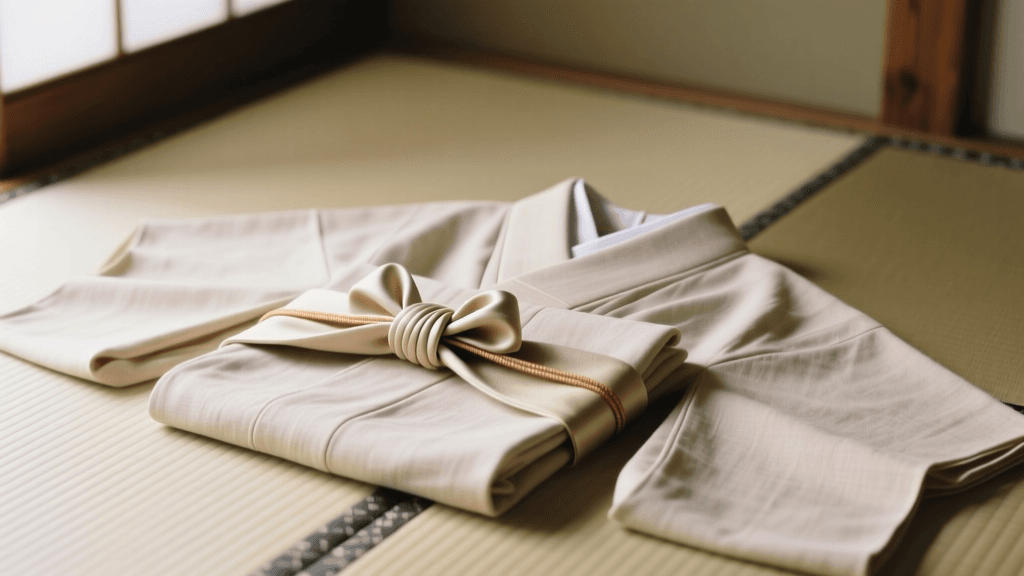
Historically performed at age 20, the Guan Li involves the ceremonial addition of three distinct caps, each representing a deeper level of societal responsibility. In contemporary 2026 practice, the ceremony is streamlined but retains its core spiritual weight. The initiate typically wears a Shenyi (deep robe) or a Zhiduo (straight robe) for the final capping. The most popular fabric choice this year is heavy-weight Song brocade or matte silk, which provides the necessary structural drape for formal photography and ritual bowing. When commissioning a bespoke Zhiduo for a Guan Li, it is critical to measure the sleeve length from the center back of the neck to the wrist, ensuring the sleeves extend slightly past the hands to convey traditional solemnity.
Ji Li: The Women's Hairpin Ceremony
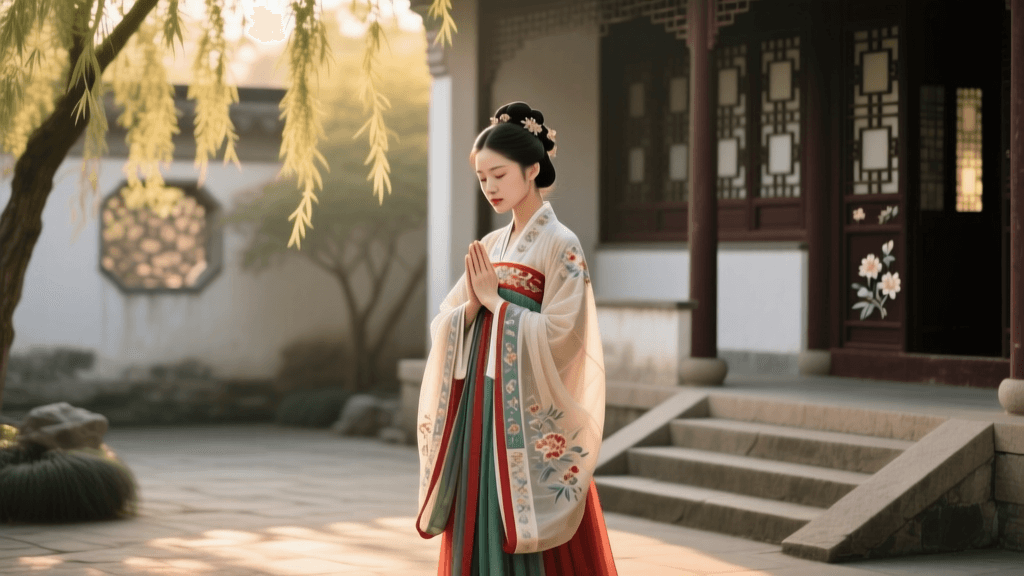
The Ji Li, traditionally held at age 15, is the female equivalent of the capping ceremony. The central act involves a respected female elder pinning the initiate's hair into a formal updo using a ceremonial Zan (hairpin). In 2026, the preferred attire for the Ji Li is the Ming-style Aoqun (a lined, pleated skirt paired with a cross-collared, long-sleeved top). The Aoqun's structured silhouette and intricate woven borders (Zhuanghua) make it an ideal canvas for displaying family prosperity and cultural pride. Modern initiates often opt for auspicious colors like deep crimson, jade green, or imperial yellow, avoiding pure white or black, which are historically associated with mourning.
'The capping and hairpin ceremonies are not merely about changing clothes; they are the physical manifestation of assuming societal responsibility and honoring one's lineage through the tactile medium of silk and thread.'
— 2026 Symposium on East Asian Intangible Heritage Practices
Hun Li: Traditional Hanfu Weddings in 2026
The traditional Chinese wedding, or Hun Li, has seen a massive surge in demand for historically accurate garments, moving away from the generic, stage-costume styles of the early 2000s. Couples in 2026 generally choose between three distinct dynastic aesthetics, each with its own color palette, garment structure, and ceremonial mood.
- Zhou Dynasty Style: Characterized by solemnity and restraint. The colors are predominantly dark (black and deep red). The garments are simple, unadorned, and focus on the purity of the ritual rather than visual extravagance.
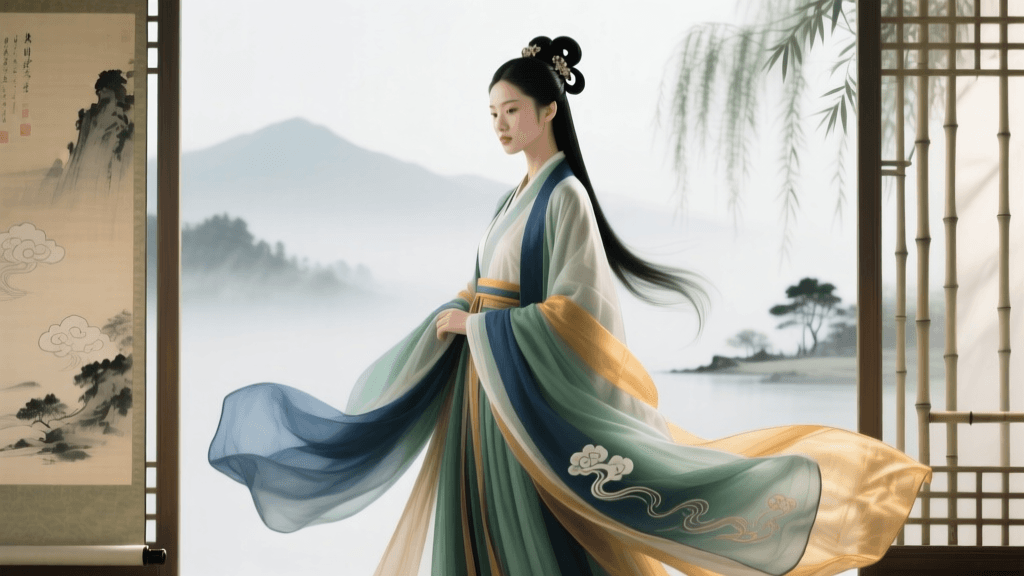
- Tang Dynasty Style: Vibrant, cosmopolitan, and luxurious. Brides often wear high-waisted, chest-baring Ruqun with wide, flowing sleeves in bright greens, golds, and reds, reflecting the era's Silk Road influences.
- Ming Dynasty Style: The undisputed favorite for 2026 weddings. The Ming aesthetic is highly structured, auspicious, and visually striking. The bride wears the iconic Fengguan Xiapei (Phoenix Crown and Cloud Shoulder), while the groom wears a nine-rank official's robe or a dark blue Yuanlingpao (round-collar robe) with a Wusha hat.
For couples researching the historical accuracy of Ming dynasty ceremonial textiles, the archives at The Metropolitan Museum of Art's Heilbrunn Timeline of Art History provide invaluable visual references for the intricate rank badges and weaving techniques that modern artisans are currently replicating for high-end bridal commissions.
2026 Cost, Planning, and Sourcing Comparison Guide
Planning a traditional rite requires significant lead time, especially if you are commissioning bespoke garments from master weavers in Hangzhou or Suzhou. Below is a comparative breakdown of the 2026 market landscape for milestone Hanfu.
| Milestone Rite | Historical Age | 2026 Common Age | Primary Garment Style | Avg. Bespoke Cost (2026) | Prep Time |
|---|---|---|---|---|---|
| Guan Li (Men) | 20 | 18 or 22 | Ming-style Zhiduo / Shenyi | $350 - $650 USD | 2 - 3 Months |
| Ji Li (Women) | 15 | 18 or 22 | Ming-style Aoqun | $400 - $800 USD | 2 - 4 Months |
| Hun Li (Zhou Style) | N/A | 24 - 35 | Xuanduan / Juebian | $800 - $1,500 USD | 4 - 6 Months |
| Hun Li (Ming Style) | N/A | 24 - 35 | Fengguan Xiapei / Yuanlingpao | $1,500 - $4,000+ USD | 6 - 9 Months |
Sourcing Authentic Textiles and Hiring a Zanli
When sourcing garments for life milestones, the integrity of the fabric is paramount. In 2026, there is a strong preference for Xiangyunsha (gambiered Canton silk) and traditional Song brocade. To understand the historical lineage of these complex weaving techniques, enthusiasts frequently consult the textile archives at the Victoria and Albert Museum's Chinese Art collections, which detail the evolution of Chinese silk weaving and the structural requirements of ceremonial garments.
Beyond the clothing, the success of a milestone rite hinges on the Zanli (ritual master or officiant). A Zanli is well-versed in the Book of Rites (Yili) and guides the participants through the precise choreography of washing hands, offering wine, and performing the requisite bows. In tier-one cities like Beijing, Shanghai, and Xi'an, hiring a certified Zanli for a 2026 ceremony typically costs between $150 and $300 USD (approx. 1,000 to 2,200 RMB). It is highly recommended to book your Zanli at least four months in advance, particularly if your ceremony falls during the peak autumn wedding and graduation season.
Preserving Intangible Cultural Heritage Through Practice
Participating in these rites is more than a personal celebration; it is an act of cultural preservation. The revival of the Guan Li, Ji Li, and Hun Li aligns closely with global efforts to safeguard traditional practices. As noted by UNESCO's Intangible Cultural Heritage frameworks, the transmission of traditional craftsmanship—from silk reeling and natural dyeing to the meticulous embroidery of a Phoenix Crown—relies entirely on continued societal demand and active practice. By choosing to mark your 2026 milestones with authentic Hanfu, you are directly supporting the master artisans, weavers, and scholars who keep these ancient traditions breathing in the modern world.
Final Actionable Checklist for 2026 Ceremonies
- Timeline: Begin garment sourcing 6 to 9 months prior to the event date to allow for bespoke weaving and embroidery.
- Measurements: Hire a professional tailor familiar with traditional Chinese flat-cutting patterns; Western darts and seams will ruin the historical drape of the Shenyi or Aoqun.
- Venue Selection: Secure a venue with architectural sympathy to the garments, such as a restored Ming-era courtyard, a traditional botanical garden, or a dedicated heritage hall.
- Etiquette Briefing: Schedule a rehearsal with your Zanli to practice the specific bowing angles (e.g., the deep 90-degree bow for heaven and earth, the 45-degree bow for parents) to ensure solemnity and photographic elegance on the day of the rite.