Hanfu Life Milestones 2026: Guan Li, Ji Li & Wedding Rites
The Renaissance of Hanfu in Life Milestones
The year 2026 marks a definitive shift in how Asian diaspora communities and global heritage enthusiasts approach life’s most significant milestones. Moving beyond casual streetwear and festival fashion, traditional Hanfu has firmly established itself as the premier attire for profound cultural rites of passage. From the solemnity of coming-of-age ceremonies to the joyous union of traditional weddings, donning Hanfu is no longer just an aesthetic choice; it is a deeply spiritual reconnection with ancestral philosophies, Confucian etiquette, and historical continuity. As the 'Xin Zhongshi' (New Chinese Style) movement matures in 2026, we are seeing a beautiful synthesis of historically accurate silhouettes and modern, sustainable textile innovations, making these ancient rites more accessible and comfortable than ever before.
The Coming of Age: Guan Li and Ji Li in 2026
Historically, coming-of-age ceremonies marked the transition from childhood to adulthood, carrying immense social and familial weight. In ancient times, these rites dictated when an individual could marry, inherit property, and participate in civic duties. Today, while the legal age of adulthood has shifted, families in 2026 are reviving these ceremonies to celebrate 18th birthdays, high school graduations, or university matriculations, grounding modern youth in cultural pride.
Ji Li: The Women's Hairpin Ceremony
The Ji Li (笄礼) was traditionally performed for young women at the age of 15. The core of the ritual involves the changing of garments and the pinning up of the hair, symbolizing the shedding of childhood innocence and the assumption of adult responsibilities. A complete 2026 Ji Li ceremony typically features three distinct outfit changes:
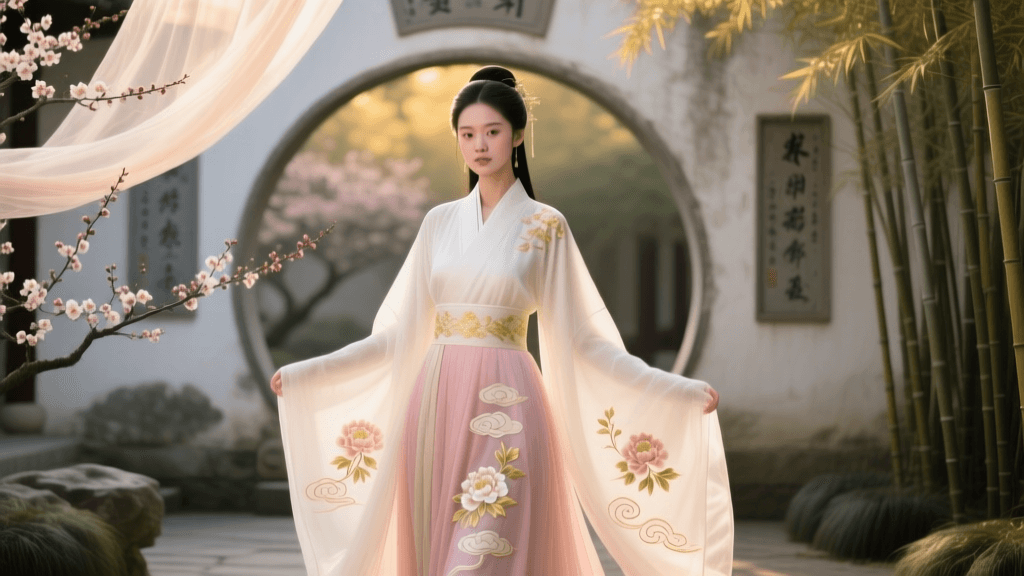
- First Attire (Caifu): A colorful, youthful Ruqun (jacket and skirt) representing the innocence of childhood. In 2026, pastel Song-dynasty Beizi (light overcoats) paired with pleated Baidie skirts are highly favored for their delicate drape.
- Second Attire (Shenyi): A deeper, more structured robe symbolizing the pursuit of knowledge and moral rectitude. The Ming-style Yuanlingpao (round-collar robe) in subdued jade or navy tones is a popular choice.
- Third Attire (Formal Court Dress): The grand finale features a formal Dashan (great over-robe) or a richly embroidered Aoqun, signifying readiness to participate in ancestral worship and formal societal roles.
The guest of honor, usually a respected female elder or scholar, washes her hands, recites blessings, and places the Ji (hairpin) into the initiate's intricately styled updo. Modern 2026 stylists often use lightweight, hand-carved sandalwood or sustainable resin hairpins to ensure comfort during the lengthy ceremony.
Guan Li: The Men's Capping Ceremony
The Guan Li (冠礼) for men, traditionally held at age 20, revolves around the progressive adding of caps, representing the expansion of a man's societal duties. Like the Ji Li, it involves three cappings and corresponding garment changes. In 2026, many young men opt for the striking silhouettes of the Ming dynasty to reflect scholarly and martial virtues.
- First Capping: A simple cloth cap paired with a Shenyi (deep robe), representing the foundational duty of filial piety and family care.
- Second Capping: A Pibian (leather or stiffened fabric cap) worn with military-inspired Yisan or Tieli robes, symbolizing the duty to protect the community and nation.
- Third Capping: The formal Juebian (ceremonial cap) worn with the grand Daopao (Taoist-style scholar's robe) or formal sacrificial garments, signifying the right to participate in state and ancestral rites.
The physical act of capping is accompanied by the conferring of a Zi (courtesy name), a beautiful 2026 tradition where elders gift the initiate a personalized seal carved from Shoushan stone.
Hanfu Wedding Rites: The Traditional 'Hunli'
The traditional Chinese wedding, or Hunli (婚礼), is steeped in cosmological significance, representing the harmonious union of Yin and Yang. The term 'Hun' originally referred to twilight, as ancient ceremonies were held at dusk to symbolize the blending of day (Yang) and night (Yin). In 2026, couples are increasingly moving away from Western white gowns, opting instead for historically resonant Hanfu wedding attire that reflects their specific ancestral or aesthetic preferences.
Zhou and Han Dynasty Styles: Solemnity and Reverence
For couples seeking a deeply solemn, ancient aesthetic, the Zhou and Han dynasty wedding styles are the pinnacle of reverence. The defining garment is the Xuanxun (玄纁), featuring deep, near-black tops and crimson-red bottoms. Unlike modern weddings that prioritize vibrant celebration, the Zhou-style Hunli is quiet, sacred, and devoid of loud music or boisterous games. The fabrics are unadorned, relying on the purity of the weave and the symbolic power of the colors. In 2026, eco-dyed mulberry silks in authentic 'Xuan' (black-red) hues are highly sought after by couples hosting intimate, twilight garden ceremonies.
Ming Dynasty Styles: Regal Splendor and the Phoenix Crown
The Ming dynasty wedding aesthetic remains the most popular choice for grand, celebratory weddings. According to the Metropolitan Museum of Art, the Ming era established strict sumptuary laws and court aesthetics that heavily influenced the regal, opulent styles seen in traditional bridal wear. The ultimate symbol of this era is the Fengguan Xiapei (Phoenix Crown and Rosy Cape).
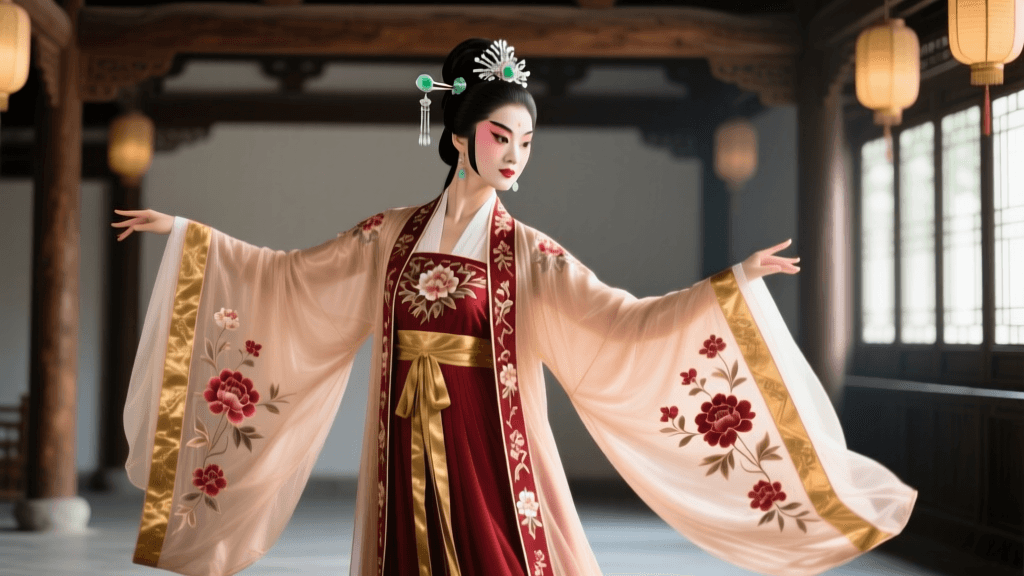
The bride wears a magnificent Yuanlingpao adorned with woven gold thread (Zhuanghua) featuring phoenix and dragon motifs. The 'Xiapei' is a heavy, embroidered stole draped over the shoulders, weighted at the ends with jade or gold pendants to ensure it hangs perfectly still, projecting an aura of noble grace. The groom typically wears a crimson Daopao with a winged official's hat (Wushamao). As noted by Encyclopædia Britannica, the evolution of Chinese dress reflects deep societal shifts, and the modern adoption of Ming bridal wear represents a contemporary desire to reclaim historical grandeur and artisanal excellence.
2026 Fabric Innovations and Ceremonial Care
Selecting the right textile is crucial for milestone garments, which are often worn for hours and kept as family heirlooms. The 2026 textile market has introduced remarkable advancements in traditional weaves, blending historical accuracy with modern wearability.
| Fabric Type | Best Used For | 2026 Trend Status | Care & Maintenance |
|---|---|---|---|
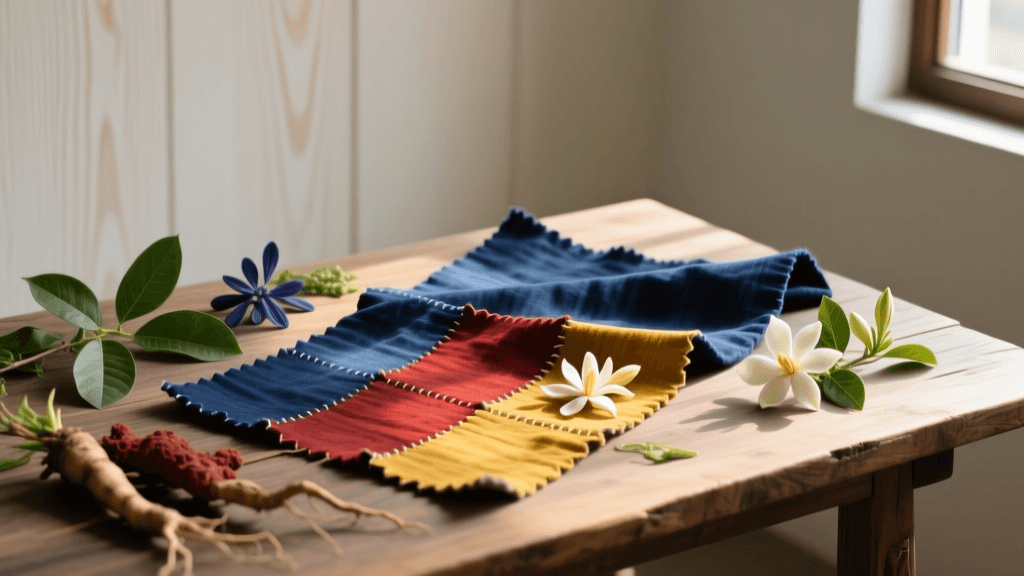
| Xiangyunsha (Gambiered Canton Gauze) | Summer Ji Li, Outdoor Hunli | High Demand; new temperature-regulating mud-dye techniques | Hand wash in cool water; avoid alkaline detergents; air dry in shade |
| Song Brocade (Songjin) | Ming-style Fengguan Xiapei, Winter Guan Li | Stable; 2026 'Eco-Brocade' uses recycled metallic threads | Dry clean only; store flat with acid-free tissue to prevent creasing |
| Zhuanghua (Woven Gold/Makeup Brocade) | Formal Wedding Outer Robes | Premium; custom loom programming allows personalized motifs | Professional textile conservation cleaning; store on padded hangers |
| Luo (Gauze Weave Silk) | Inner layers, Veils, Lightweight Summer Rites | Rising popularity for layered 'Xin Zhongshi' ceremonial looks | Gentle machine wash in mesh bag; iron on lowest silk setting |
Sourcing and Budgeting for Milestone Hanfu in 2026
Acquiring ceremonial Hanfu requires careful planning. While ready-to-wear brands offer accessible entry points, life milestones often warrant bespoke or made-to-measure tailoring to ensure the garments drape flawlessly and carry personal significance. Lead times for custom 2026 ceremonial wear can range from two to six months, especially for hand-embroidered Xiapei or custom-woven brocades.
| Ceremony Type | Recommended Sourcing Tier | Estimated 2026 Cost (USD) | Lead Time |
|---|---|---|---|
| Ji Li / Guan Li (3 Outfit Changes) | High-end Ready-to-Wear (e.g., Minghuatang, Shisanyu) | $800 - $1,800 | 3 - 6 Weeks |
| Zhou/Han Hunli (Xuanxun Set) | Specialist Historical Tailors | $1,200 - $2,500 | 2 - 3 Months |
| Ming Hunli (Fengguan Xiapei Full Set) | Bespoke Couture / Heritage Artisans | $3,500 - $8,000+ | 4 - 6 Months |
| Ceremonial Hair Accessories | Independent Metalsmiths & Carvers | $150 - $600 per set | 1 - 2 Months |
Hair, Makeup, and Etiquette for the Modern Rite
The garments are only half the equation; the styling and etiquette complete the milestone experience. In 2026, ceremonial makeup has shifted away from heavy, theatrical stage makeup toward a refined, historically inspired aesthetic. For brides and Ji Li initiates, the 'pearl and gold leaf' motif, popularized in the Song and Ming dynasties, is applied delicately to the temples and forehead, using biodegradable cosmetic glitters and ethically sourced freshwater pearls.
Etiquette remains paramount. Participants in 2026 ceremonies are encouraged to attend workshops on traditional bowing (the Yi Li and formal kneeling bows), hand placement (holding the left hand over the right fist in standard greetings), and the proper pacing of a ceremonial walk. The weight of a Ming dynasty Fengguan (phoenix crown) requires specific neck posture and a measured, gliding gait to prevent the tassels from tangling and to project an aura of serene dignity.
Conclusion: Weaving the Future with Ancient Threads
As we navigate 2026, the integration of Hanfu into life milestones represents a profound cultural anchoring. Whether it is a young woman receiving her first jade hairpin, a young man donning the scholar's robe, or a couple exchanging vows under the twilight in solemn Zhou-era silks, these garments serve as a tangible bridge across centuries. By investing in authentic textiles, respecting the intricate etiquette of the rites, and supporting the master artisans keeping these weaving and embroidery traditions alive, we ensure that the profound beauty of Asian heritage continues to grace the most pivotal moments of our lives. The threads of the past are firmly woven into the fabric of our future.