Hanfu Milestones 2026: Guan Li, Ji Li & Wedding Attire Guide
The Renaissance of Hanfu in 2026 Life Milestones
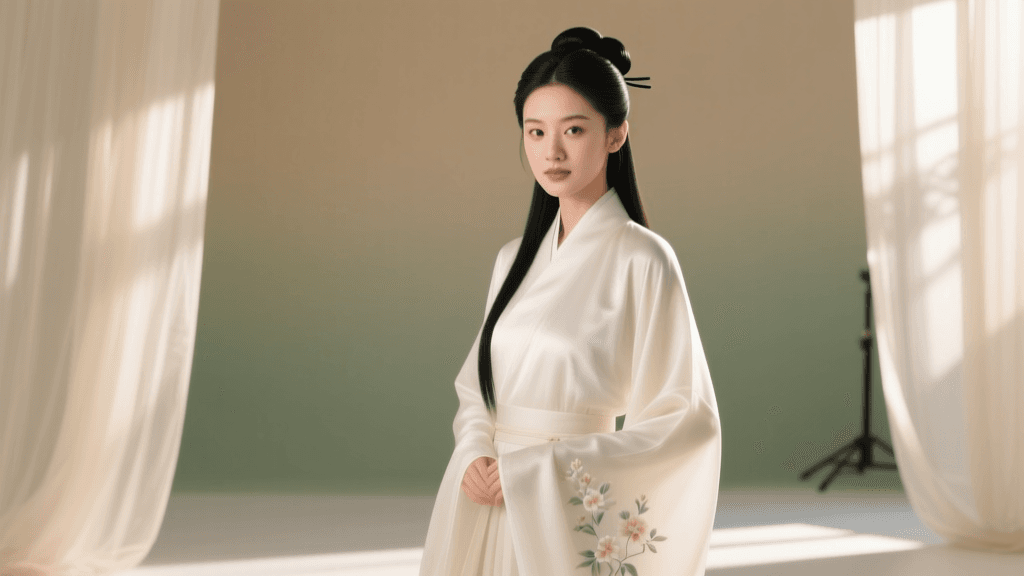
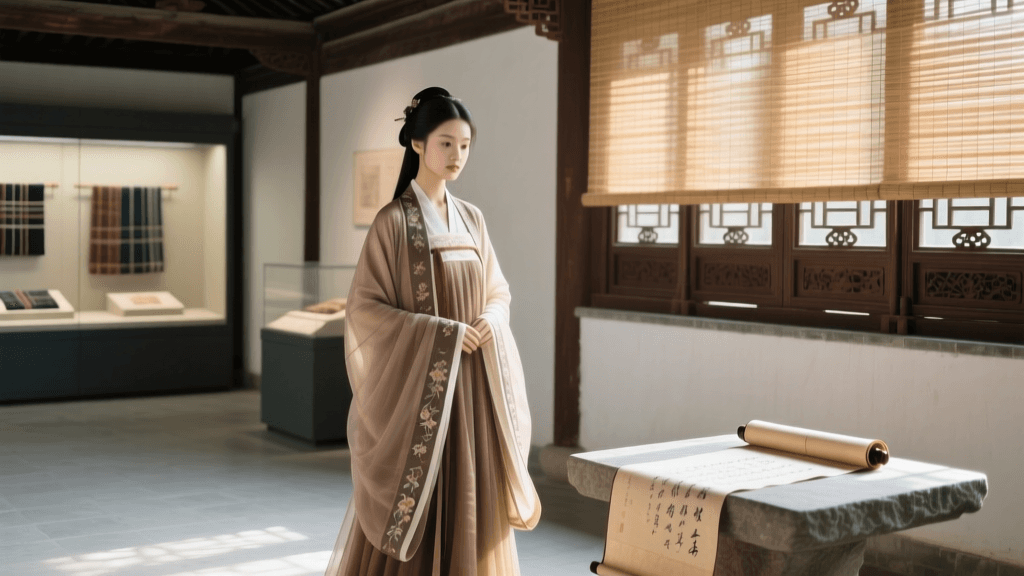
In 2026, the Hanfu movement has transcended mere fashion and photography, firmly establishing itself as a living, breathing component of major life milestones across the Sinosphere. No longer confined to historical reenactments or social media aesthetics, traditional Chinese garments are now the standard attire for profound personal transitions. From the coming-of-age ceremonies of Guan Li and Ji Li to the grandeur of Ming-style traditional weddings, families and young adults are investing heavily in authentic, historically grounded textiles to mark these pivotal moments. According to cultural analysts and institutions like the China National Silk Museum, the demand for bespoke, ceremony-grade Hanfu has surged by over 40% in the past two years, driven by a desire to reconnect with ancestral rites of passage. This comprehensive guide explores the garments, rituals, and modern market realities of Hanfu for life milestones in 2026.
Ji Li (笄礼): The Traditional Coming-of-Age for Women
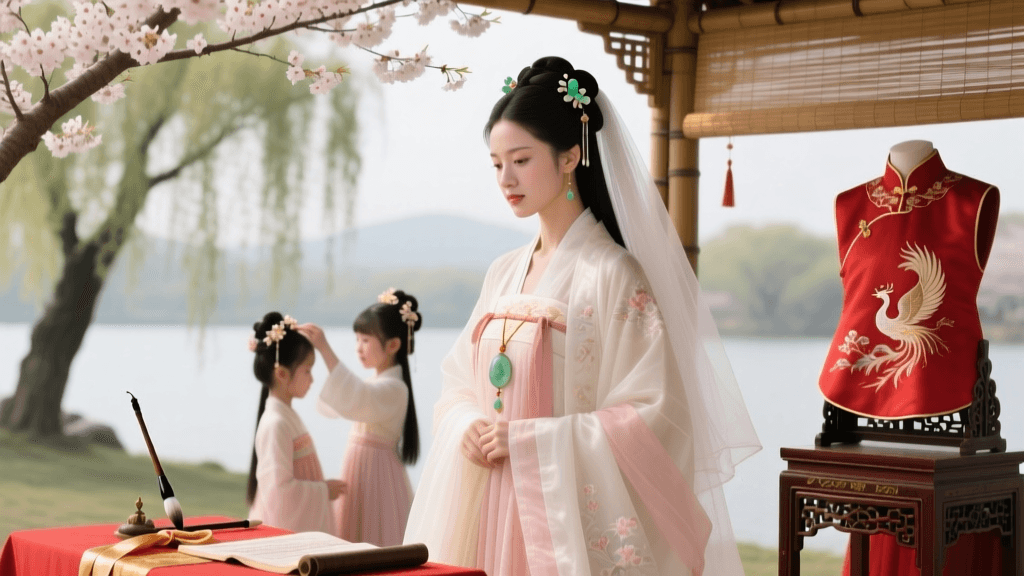
Historically performed when a young woman turned 15, the Ji Li (Hair-Pinning Ceremony) signifies her transition into adulthood, indicating she is now of age to assume societal responsibilities and, historically, to marry. In 2026, this ceremony is typically held between the ages of 18 and 20, often coinciding with high school graduation or university enrollment. The core of the Ji Li revolves around the 'Three Additions' (San Jia), a ritualistic changing of garments that symbolizes the shedding of childhood and the embracing of mature womanhood.
The Three Garment Progressions
The first addition features a simple, unadorned Ruqun (blouse and skirt), often in soft pastel cotton or linen blends, representing the innocence of childhood. The second addition introduces a more structured Aoqun or Beizi (long outer jacket), typically crafted from elegant silk damask, symbolizing the grace and discipline of youth. The final and most crucial addition is the formal Daofu or a grand Ming-style ceremonial gown, featuring wide sleeves and intricate embroidery of phoenixes or peonies. This final garment represents full adulthood and readiness to participate in formal societal and ancestral rituals. In 2026, it is highly popular to commission these garments using Xiangyunsha (gambiered Guangdong gauze), a breathable, sweat-resistant silk that is perfect for outdoor spring ceremonies.
Hairpins and Accessories
The physical act of pinning the hair is the climax of the Ji Li. The presiding elder (usually a respected female relative or mentor) replaces the childhood twin-tails with a formal updo, securing it with a Zan (hairpin) or Ji (hair stick). Modern artisans in 2026 are utilizing lightweight, 3D-printed resin frameworks overlaid with traditional faux kingfisher feather (diancui) techniques, allowing for massive, elaborate hairpieces that do not cause neck strain during the lengthy ceremony.
Guan Li (冠礼): The Coming-of-Age for Men
The male equivalent of the Ji Li is the Guan Li (Capping Ceremony). Historically performed at age 20, modern iterations in 2026 are frequently aligned with a young man's 18th birthday or his university graduation. The Guan Li is deeply rooted in Confucian philosophy, emphasizing the transition from a boy dependent on his parents to a man responsible for his family, community, and nation.
The Three Cap Additions
Similar to the female ceremony, the Guan Li features three distinct changes of headwear and corresponding robes. The first cap is the Guan, a simple black cloth cap paired with a modest, dark-colored Shenyi (deep robe), symbolizing the grounding of one's character. The second addition is the Pibian, a leather or stiffened fabric cap with military connotations, paired with a more structured, martial-style robe, representing the duty to protect and serve. The third and final addition is the Juebian, a formal, high-ceremony cap often adorned with jade or precious metals, paired with a sweeping, wide-sleeved court-style robe. This final look signifies the young man's readiness to participate in ancestral worship and formal state or community affairs.
Modern Adaptations for Graduations
In 2026, many universities in Asia and abroad with large Asian student populations have begun incorporating Guan Li elements into their graduation festivities. It is increasingly common to see graduates wearing the Ming-style Yuanlingpao (round-collar robe) with a subtle, modernized Liangmao (scholar's cap) beneath their academic regalia, blending Western academic traditions with profound Eastern heritage.
Ming-Style Hanfu Weddings: Fengguan Xiapei in 2026
When it comes to traditional Chinese weddings, the Ming Dynasty aesthetic remains the undisputed gold standard in 2026. This preference stems from historical sumptuary laws that permitted commoners to wear noble-style, heavily embroidered clothing exclusively on their wedding day. The visual impact of a Ming-style Hanfu wedding is unparalleled, characterized by deep, auspicious reds, intricate gold threadwork, and imposing silhouettes.
The Bridal Ensemble: Mangao and Mamianqun
The bride's attire is centered around the Mangao (python jacket) and the Mamianqun (horse-face skirt). The Mangao is a heavily embroidered, round-collared jacket featuring four-clawed python motifs (historically reserved for nobility), woven with real gold and silver threads. The Mamianqun, with its distinctive flat front and back panels and heavily pleated sides, allows for both majestic movement and comfortable seating during the lengthy tea ceremonies. In 2026, AI-assisted pattern drafting is frequently used by bespoke tailors to calculate the exact pleat depth based on the bride's height and stride, ensuring the skirt's motifs align perfectly when in motion.
The Phoenix Crown (Fengguan)
No Ming-style bridal ensemble is complete without the Fengguan, or Phoenix Crown. This elaborate headdress is adorned with dragons, phoenixes, pearls, and dangling buyao (step-shake) ornaments. Historically weighing up to three kilograms, modern 2026 Fengguan designs utilize aerospace-grade aluminum and carbon fiber for the internal armature, reducing the weight by nearly 60% while maintaining the opulent, voluminous silhouette required for wedding photography and the formal bowing rituals.
The Groom's Attire
The groom traditionally wears a dark blue or crimson Yuanlingpao adorned with rank-badge embroidery (Buzi), often depicting cranes or qilin to symbolize longevity and prosperity. He completes the look with a Wushamao (winged official's hat) or a formal scholar's cap, and a jade-inlaid leather belt. The stark contrast between the groom's deep, grounding colors and the bride's vibrant red creates a visually striking harmony that photographs beautifully.
Milestone Hanfu Comparison Chart
To help you navigate the options and costs associated with these ceremonies, here is a structured comparison of the primary Hanfu styles used for major life milestones in the current 2026 market.
| Milestone | Primary Garment Style | Key Accessories | 2026 Avg. Bespoke Cost (USD) | Ceremony Duration |
|---|---|---|---|---|
| Ji Li (Women's Coming-of-Age) | Ming-style Aoqun / Daofu | Diancui Hairpins, Jade Pendants | $800 - $2,200 | 1.5 - 2 Hours |
| Guan Li (Men's Coming-of-Age) | Shenyi / Court-style Robes | Three Caps (Guan, Pibian, Juebian) | $600 - $1,800 | 1 - 1.5 Hours |
| Traditional Wedding (Bride) | Mangao & Mamianqun | Fengguan (Phoenix Crown), Xiapei | $2,500 - $6,000+ | Full Day (Rituals) |
| Traditional Wedding (Groom) | Yuanlingpao with Buzi | Wushamao, Jade Belt, Boots | $1,200 - $3,000 | Full Day (Rituals) |
| University Graduation | Ming-style Lanshan (Scholar) | Scholar's Cap, Folding Fan | $250 - $600 | 2 - 3 Hours |
The 2026 Market: Bespoke vs. Rental
The Hanfu market in 2026 offers distinct pathways depending on your budget and the sentimental value you wish to attach to the garments. For weddings, bespoke tailoring is highly recommended. The intricate embroidery of a bridal Mangao can take artisans anywhere from three to six months to complete by hand. However, for coming-of-age ceremonies or graduations, the high-end rental market has become incredibly sophisticated. Premium rental studios in major cities now offer 3D body scanning to ensure rented garments are temporarily tailored to the wearer's exact measurements using hidden magnetic clasps, ensuring a flawless fit without the bespoke price tag. Rental packages for a full Ji Li or Guan Li set, including accessories and professional styling, typically range from $150 to $400 USD for the weekend.
Preservation and Storage of Ceremony Hanfu
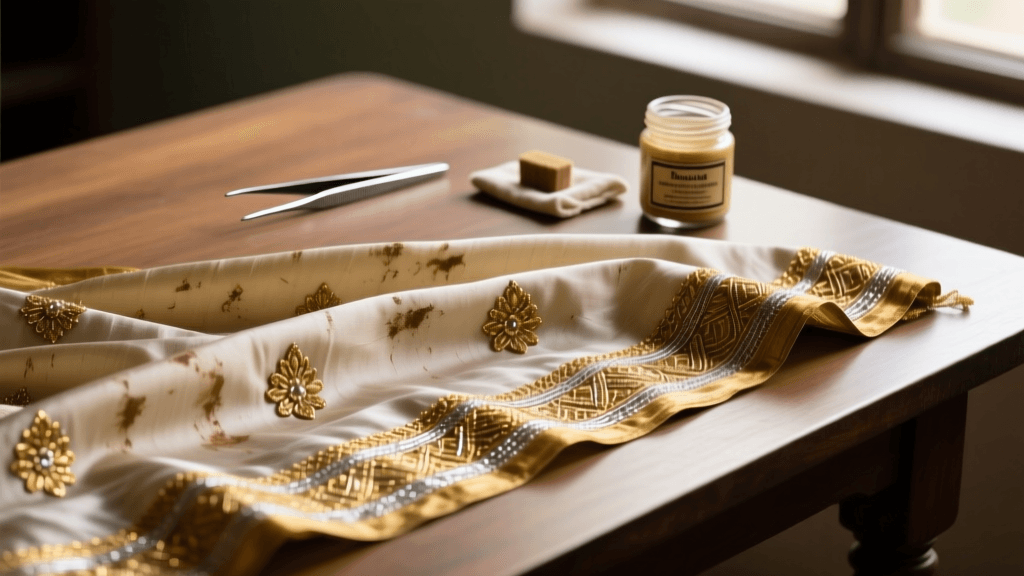
Investing in ceremony-grade Hanfu means investing in heirloom-quality textiles. Proper storage is critical to ensure these garments can be passed down to the next generation. The heavy silk brocades and real metal threads used in 2026 bespoke wedding Hanfu are susceptible to humidity and light damage. Experts at the Metropolitan Museum of Art recommend storing heavy silk garments flat rather than hung, as the weight of the embroidery can distort the fabric's warp and weft over time. Always wrap the garments in acid-free, unbleached cotton or archival tissue paper. Store them in cedarwood chests, which naturally repel insects without the use of harsh chemical mothballs that can tarnish gold threads. Maintain a storage environment with a relative humidity of 45% to 55% to prevent the silk from becoming brittle or developing mold.
Conclusion
The integration of Hanfu into life milestones is one of the most profound cultural revivals of the decade. Whether you are planning a Ji Li to celebrate your daughter's transition into adulthood, a Guan Li to mark a son's graduation, or a breathtaking Ming-style wedding, the garments you choose carry the weight of centuries of philosophy, artistry, and familial love. As the UNESCO Intangible Cultural Heritage frameworks continue to highlight the importance of traditional craftsmanship, wearing these garments in 2026 is not just an act of personal celebration, but a vital contribution to the ongoing story of Asian textile heritage. By understanding the historical context, embracing modern tailoring innovations, and committing to proper preservation, your milestone Hanfu will serve as a beautiful, enduring testament to your life's most important transitions.