Hanfu Life Milestones 2026: Rites and Ceremonies Guide
The Resurgence of Traditional Rites in 2026
Over the past decade, the Hanfu movement has evolved from a niche historical reenactment hobby into a profound cultural renaissance. As we navigate through 2026, traditional Chinese clothing is no longer reserved solely for street fashion, photography, or casual outings. Instead, it has become deeply integrated into the most significant life milestones and transitional rites of passage. According to cultural analyses featured in Smithsonian Magazine, this shift represents a generational desire to anchor modern identities in historical continuity. For young adults and families in 2026, marking a coming-of-age ceremony, a wedding, or a university graduation in authentic Hanfu is a powerful statement of cultural pride and personal heritage.
This comprehensive guide explores how traditional garments are being utilized for life's most pivotal moments in 2026, offering actionable advice on styling, sourcing, and respecting the deep historical etiquette of these ceremonies.
Guan Li and Ji Li: The Coming of Age Ceremonies
The transition from childhood to adulthood is one of the most celebrated milestones in traditional Chinese culture. Historically, this was marked by the Guan Li (capping ceremony for men at age 20) and the Ji Li (hair-pinning ceremony for women at age 15). In 2026, these ceremonies have seen a massive revival, often hosted in cultural centers, ancestral halls, or even university campuses, blending ancient Confucian rites with modern familial celebrations.
The Ritual of the Three Additions (San Jia)
Both the Guan Li and Ji Li traditionally involve the "Three Additions" of clothing, symbolizing the progressive accumulation of adult responsibilities and virtues. For a modern Ji Li in 2026, the ceremony typically follows this structure:
- First Addition: A simple, unadorned Shenyi (deep robe) or a modest Song dynasty Beizi (jacket), representing the innocence of childhood and the foundational virtue of filial piety.
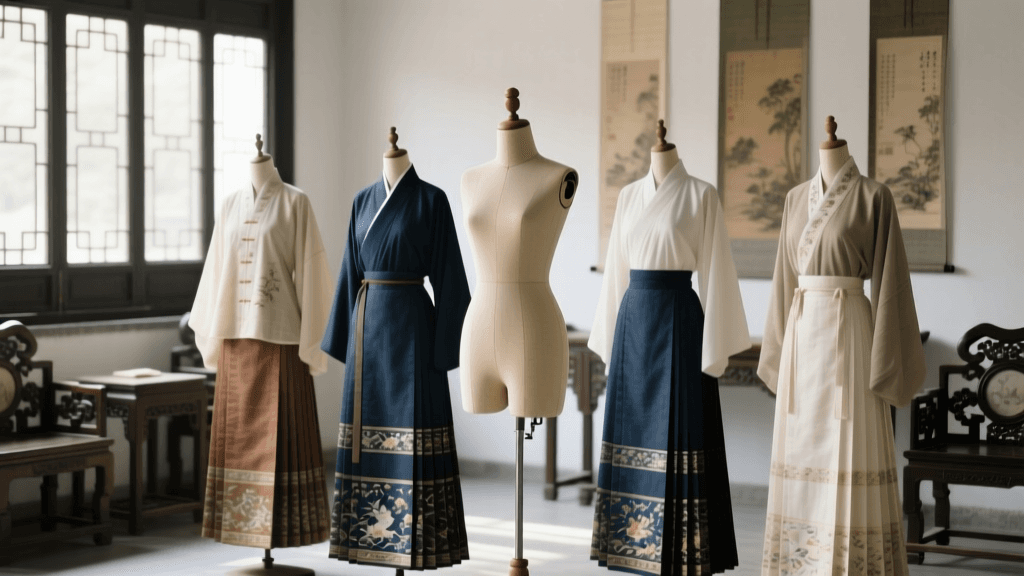
- Second Addition: A more formal, elegant garment, such as a Ming dynasty Aoqun (jacket and skirt), symbolizing the readiness to participate in society and uphold familial duties.
- Third Addition: The grand ceremonial attire, often a heavily embroidered formal robe or a Daxiushan (large-sleeved shirt), accompanied by the placement of the Ji (hairpin) or Guan (cap), signifying full adult status and the capacity for marriage and civic responsibility.
When planning a coming-of-age ceremony in 2026, it is highly recommended to consult with local Hanfu cultural associations to ensure the ritual steps—such as the washing of hands, the offering of tea to elders, and the reading of the adult vows—are performed with historical accuracy and respect.
Hunli: The Traditional Hanfu Wedding
While Western-style white wedding dresses remain popular, the traditional Hunli (Hanfu wedding) has become a dominant force in the 2026 bridal industry. As noted by BBC Culture, the embrace of historical garments for weddings is a way for couples to weave their personal union into the broader tapestry of Chinese history.
Dynasty Choices for the Modern Bride and Groom
Unlike daily Hanfu, which can be mixed and matched, wedding attire requires strict adherence to historical formalwear protocols. In 2026, the Ming dynasty style remains the undisputed favorite for traditional weddings due to its regal silhouettes and auspicious symbolism.
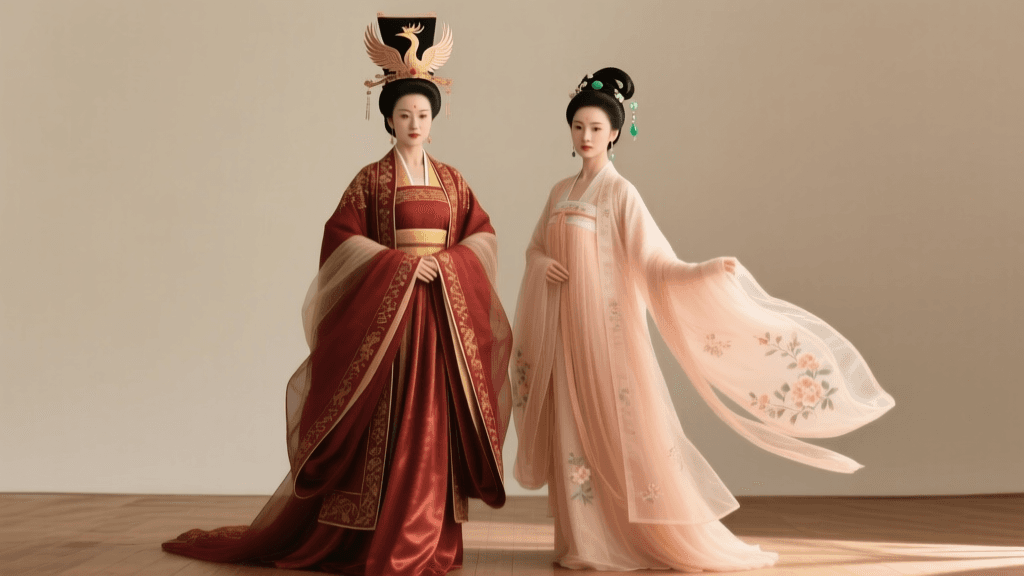
- The Bride: The quintessential Ming bridal look is the Fengguan Xiapei (phoenix coronet and clouded scarf). The bride wears a richly embroidered red or dark blue Yuanlingpao (round-collar robe) or a formal Dashan, adorned with woven gold threads depicting phoenixes, peonies, and dragons. In 2026, bespoke artisans are utilizing sustainable, cruelty-free peace silk and advanced digital jacquard weaving to recreate these heavy, luxurious textiles at a fraction of the historical weight.
- The Groom: The groom typically wears a 9th-rank official-style Wushamao (winged hat) and a red or blue Yuanlingpao with a Buxi (rank badge) featuring a mandarin duck or crane, symbolizing fidelity and longevity. A leather or silk Boots and a jade-inlaid belt complete the ensemble.
The Xin Zhongshi Influence on Summer Weddings
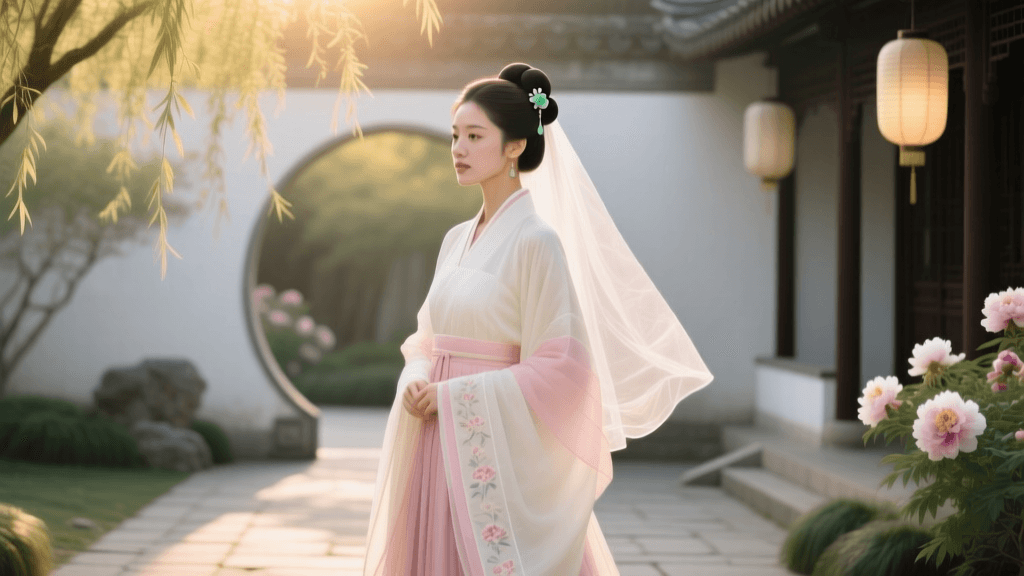
For couples marrying in the sweltering summer months, the 2026 Xin Zhongshi (New Chinese Style) movement has introduced breathable, lightweight alternatives. Brides are increasingly opting for Tang dynasty-inspired Qixiong Shanqun (chest-high skirts) made from ultra-fine, sheer ramie and mulberry silk blends. These garments maintain the traditional drape and vibrant crimson hues but offer vastly improved comfort and mobility for outdoor garden ceremonies.
Academic and Professional Milestones
A fascinating trend that has fully matured in 2026 is the integration of Hanfu into university graduation ceremonies. Rather than wearing the standard Western academic gown, thousands of graduates across Asia are now walking the stage in traditional scholarly attire.
For bachelor's and master's graduations, the Song dynasty Lanshan (a scholar's robe with a distinctive cross-collar and side slits) paired with a Futou (scholar's hat) is the preferred choice. It reflects the historical pursuit of knowledge and the rigorous imperial examination system. Female graduates often pair their modern academic stoles with a dignified Ming dynasty Mamianqun (horse-face skirt) featuring subtle, tonal woven patterns of bamboo or orchids, symbolizing academic integrity and resilience.
Footwear and Accessories for Ceremonial Wear
No milestone Hanfu ensemble is complete without the correct footwear and accessories. In 2026, mass-produced plastic accessories have been largely rejected by serious enthusiasts in favor of artisanal craftsmanship.
- Footwear: Traditional Yuntou Xie (cloud-head shoes) are mandatory for formal rites. For weddings, brides wear red silk shoes embroidered with lotus flowers or mandarin ducks. Grooms wear black or dark brown leather or thick-soled cloth boots. In 2026, several heritage shoemaking brands have introduced ergonomic insoles into these traditional designs, allowing wearers to stand through multi-hour ceremonies without foot fatigue.
- Hair Accessories: The Zan (single-prong hairpin) and Chai (double-prong hairpin) are essential. For coming-of-age and wedding ceremonies, materials like Hetian jade, freshwater pearls, and filigree enamel are standard. The 2026 trend leans heavily toward "intangible heritage" techniques, such as Nanjing velvet flowers (Ronghua) and Kingfisher feather imitation (Diancui using dyed goose feathers or silk), which provide stunning visual impact without harming wildlife.
2026 Milestone Hanfu Comparison Chart
To help you budget and plan for your upcoming life milestones, refer to the comparison chart below detailing the standard styles, key garments, and average bespoke costs in the 2026 market.
| Milestone | Recommended Dynasty Style | Key Garments & Accessories | 2026 Avg. Bespoke Cost (USD) |
|---|---|---|---|
| Ji Li (Women's Coming of Age) | Song or Ming | Aoqun, Beizi, Jade Hairpins | $450 - $900 |
| Guan Li (Men's Coming of Age) | Ming | Shenyi, Daopao, Scholar's Cap | $500 - $1,100 |
| Hunli (Traditional Wedding) | Ming | Fengguan Xiapei, Yuanlingpao, Boots | $2,500 - $6,000+ |
| University Graduation | Song or Ming | Lanshan, Mamianqun, Futou | $200 - $450 |
| Elder's Longevity Banquet | Tang or Ming | Daxiushan, Pibo, Lotus Shoes | $600 - $1,500 |
Sourcing, Etiquette, and Archival Storage
Investing in milestone Hanfu is a significant financial and emotional commitment. In 2026, the most reputable way to source ceremonial garments is through established heritage workshops in Hangzhou, Suzhou, and Nanjing, which specialize in authentic loom-weaving and natural plant dyeing. When commissioning a bespoke wedding or coming-of-age set, expect a lead time of 3 to 6 months, as master weavers produce these textiles in limited batches.
Preserving Your Milestone Garments
Ceremonial Hanfu, particularly those woven with real gold threads or delicate silk gauze, require meticulous archival storage to become true family heirlooms. The craftsmanship involved in these garments is deeply tied to historical practices; as recognized by the UNESCO Intangible Cultural Heritage registry, traditional sericulture and silk weaving are vital cultural assets that demand careful preservation of the final textiles.
To store your milestone Hanfu properly in 2026:
- Never use wire hangers: The weight of heavy ceremonial robes will distort the shoulders. Always store them folded or on wide, padded wooden hangers.
- Use acid-free materials: Wrap silk garments in unbleached, acid-free cotton muslin or archival tissue paper. Never use plastic garment bags, as they trap moisture and cause the silk proteins to degrade and yellow.
- Climate control: Store the garments in a cedar chest or a climate-controlled wardrobe with a consistent humidity level of around 45-55%. Include natural desiccants and dried mugwort or Sichuan peppercorns in breathable sachets to deter silverfish and moths without resorting to harsh chemical mothballs that can stain the silk.
By honoring these traditional rites and properly caring for the garments, you ensure that your milestone Hanfu will not only serve as a beautiful backdrop for your life's greatest transitions but will also endure as a tangible legacy for future generations.