Hanfu Global Runways 2026: Paris & Milan Fashion Week Trends
The Paradigm Shift: Hanfu at Paris and Milan Fashion Weeks 2026
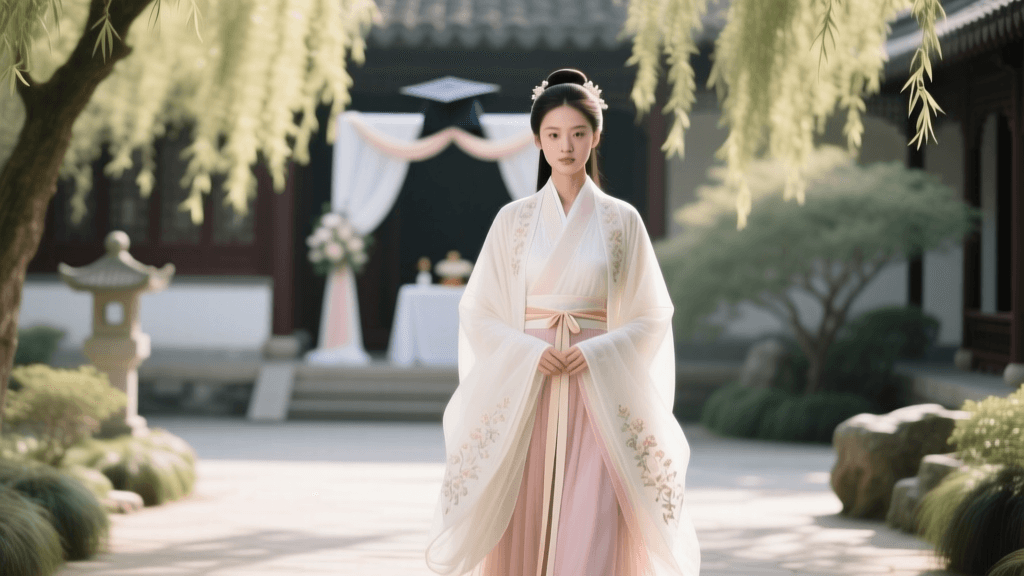
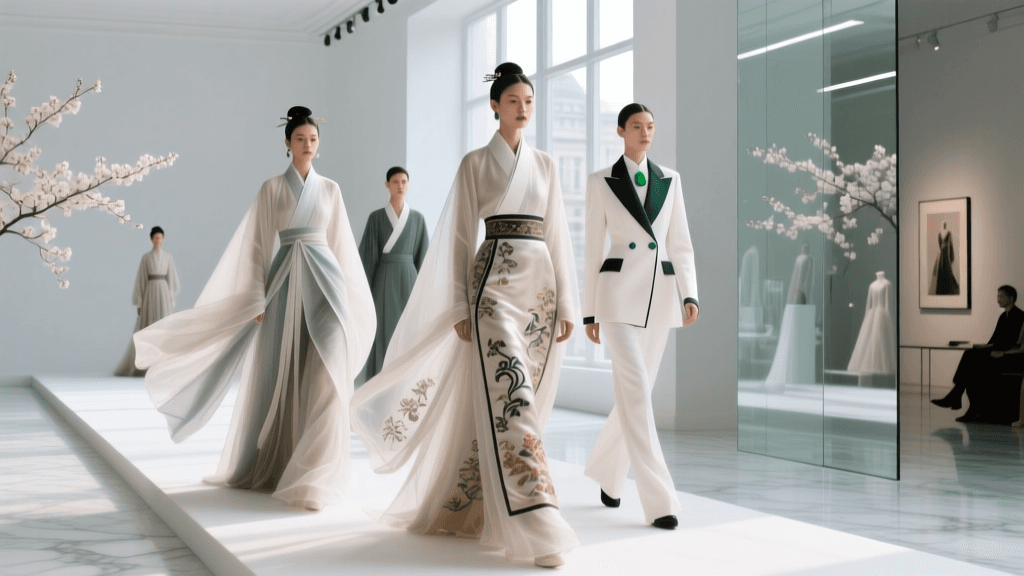
The Spring/Summer and Autumn/Winter 2026 seasons at Paris and Milan Fashion Weeks have cemented a definitive shift in the global luxury landscape. Hanfu, the traditional dress of the Han Chinese, has transcended its niche status as a cultural revivalist movement to become a foundational pillar of avant-garde and haute couture design. No longer confined to ceremonial showcases or street-style subcultures, traditional Chinese garments are now dictating global silhouettes, textile innovations, and sustainable fashion narratives. In 2026, top-tier European fashion houses and pioneering Asian designers are collaborating to reinterpret historical Hanfu elements, merging ancient flat-cutting techniques with modern, eco-conscious materials.
This integration is not merely aesthetic; it is deeply structural. Designers are looking to the architectural brilliance of traditional Chinese tailoring—which eschews darts and shoulder seams in favor of fluid, geometric draping—to solve modern problems regarding garment longevity, gender-neutral styling, and zero-waste pattern making. As the global fashion industry faces intense scrutiny over its environmental impact, the ancestral wisdom embedded in Hanfu construction offers a masterclass in sustainable luxury.
Core Hanfu Silhouettes Dominating the 2026 Runways
To understand the 2026 runway trends, one must decode the historical garments inspiring them. This year, three distinct silhouettes have captured the imagination of international creative directors:
1. The Mamianqun (Horse-Face Skirt)
Originating in the Song and Ming dynasties, the Mamianqun is characterized by its flat front and back panels with deeply pleated sides. In 2026, Milan runways have seen this skirt reimagined in structured, recycled PET jacquards and laser-cut vegan leathers. The traditional waistband has been widened and corseted, blending the modesty of the Ming era with the sharp, architectural tailoring of contemporary European power dressing. The side pleats are now often heat-set using advanced polymer techniques to ensure they maintain their knife-edge precision even in heavy, winter-weight wools.
2. The Beizi (Song Dynasty Long Jacket)
The Beizi is a straight-cut, open-front jacket with side slits that extend up to the underarm. Its minimalist, elongated silhouette perfectly aligns with the 2026 trend of 'quiet luxury' and fluid layering. On the Paris runways, the Beizi has been adapted into sheer, oversized outerwear crafted from peace silk (Ahimsa silk) organza. Designers are layering these translucent jackets over structured bodysuits and modern turtlenecks, creating a striking contrast between historical modesty and modern sensuality.
3. The Yuanlingpao (Round-Collar Robe)
A staple of the Tang Dynasty, the Yuanlingpao features a circular neckline and a sweeping, voluminous cut. For the Autumn/Winter 2026 collections, this robe has been transformed into gender-neutral, tech-wear-inspired outerwear. By substituting traditional heavy damasks with waterproof, breathable nylon blends and metallic threading, designers have created a futuristic, utilitarian garment that retains the majestic drape of its 8th-century predecessor.
Comparative Analysis: Heritage vs. Haute Couture
The table below illustrates how traditional Hanfu elements have been technically and materially adapted for the 2026 global runway market.
| Silhouette | Historical Era | Traditional Fabrication | 2026 Runway Adaptation |
|---|---|---|---|
| Mamianqun | Ming Dynasty | Woven Silk Brocade, Gold Thread | Recycled PET Jacquard, Vegan Leather, Heat-set Pleats |
| Beizi | Song Dynasty | Lightweight Silk Gauze, Linen | Structural Wool Crepe, Peace Silk Organza |
| Yuanlingpao | Tang Dynasty | Heavy Silk Damask, Brocade | Tech-Wear Nylon, Metallic Threads, Waterproof Coatings |
| Ruqun | Various | Short Jacket and High Skirt | Cropped Boucle Tops with High-Waisted Bias-Cut Skirts |
Textile Innovation and Sustainable Sericulture
A major driving force behind Hanfu's global ascent in 2026 is the industry's pivot toward sustainable, traceable textiles. The production of silk, a cornerstone of Hanfu, has undergone a radical ethical transformation. Designers are increasingly sourcing from cooperatives that practice sustainable sericulture, a tradition so vital to human history that it is recognized on UNESCO's Intangible Cultural Heritage list. By supporting these heritage practices, modern fashion houses are ensuring the survival of ancient weaving techniques while meeting stringent 2026 environmental, social, and governance (ESG) mandates.
Furthermore, natural dyeing methods have moved from artisanal workshops to commercial scalability. Runway collections this year feature rich madder-root reds, indigo blues, and pagoda-tree yellows. These botanical dyes not only reduce the toxic effluent associated with synthetic coloring but also provide a unique, living patina that evolves with the wearer. Institutions dedicated to preserving these material histories, such as the Victoria and Albert Museum's extensive Chinese textile archives, continue to serve as vital reference points for contemporary designers seeking authentic color palettes and weave structures.
Designer Spotlight: Bridging East and West
The 2026 fashion calendar has been defined by unprecedented collaborations. Couturiers like Guo Pei have long championed Chinese aesthetics on the global stage, but 2026 has seen specialized Hanfu brands like Minghuatang and Shisanyu partnering directly with European ateliers. These collaborations focus on the 'translation' of garments—ensuring that the structural integrity of the Hanfu is maintained while adjusting the proportions for a diverse, international clientele. For instance, the traditional 'flat-cutting' method, where the fabric is folded over the shoulder without a seam, is being celebrated for its zero-waste properties. European pattern-makers are studying these historical techniques, as documented in global historical repositories like the Metropolitan Museum of Art's Chinese Art collection, to minimize fabric offcuts in their own 2026 production cycles.
Actionable Guide: Curating a Runway-Inspired Hanfu Wardrobe
For enthusiasts and collectors looking to integrate 2026 runway Hanfu trends into their personal wardrobes, understanding the nuances of fit, styling, and investment is crucial. Here is your practical guide to navigating the modern Hanfu market.
1. The Golden Rule of Collars: Jiaoling Youren
When purchasing or styling any cross-collar Hanfu (such as the Ruqun or Aoqun), you must strictly adhere to the rule of Jiaoling Youren—the left side of the collar must cross over the right side, meaning the right side is tucked underneath. In traditional Chinese culture, reversing this (right over left) is strictly reserved for dressing the deceased. High-end 2026 commercial brands will often include hidden interior ties and snap buttons to ensure the collar remains perfectly positioned throughout the day, a massive improvement over older, purely tie-based garments.
2. Understanding Flat-Cut Measurements
Unlike Western clothing, which relies on darts and shoulder seams to contour to the body, Hanfu is flat-cut. The fabric is woven to a specific width and folded. Therefore, standard chest and shoulder measurements are largely irrelevant. Instead, you must measure your 'arm span' (wingspan) from wrist to wrist with arms outstretched. A standard 2026 commercial Hanfu top will have a wingspan of 130cm to 150cm, allowing for the dramatic, flowing sleeves seen on the runways. Always check the garment's total width rather than just the chest circumference.
3. Skirt Lengths and Modern Footwear
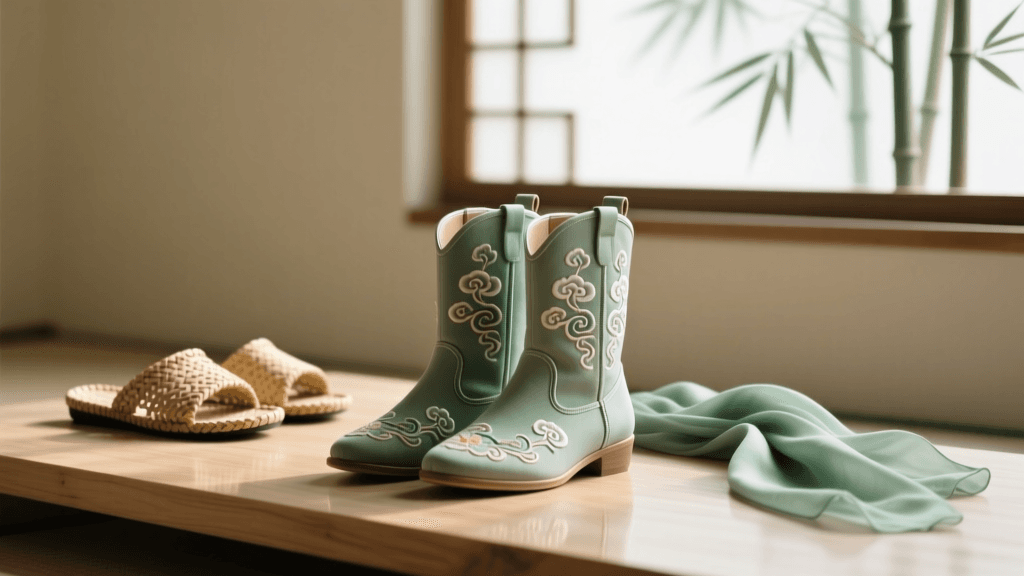
Historically, a Mamianqun would graze the top of the foot to hide the shoes entirely. However, the 2026 runway trend embraces modern footwear, from chunky loafers to architectural heels. When ordering a custom or premium commercial Mamianqun, request a 'mid-calf' or 'ankle-grazing' length (typically 85cm to 95cm from the waistband, depending on your height). This prevents the heavy pleats from dragging on urban pavements while maintaining the skirt's dramatic swing.
4. Investment Tiers and Pricing in 2026
- Haute Couture / Custom Runway Pieces: $4,500 - $15,000+. These feature hand-woven silk, real gold-leaf threading, and bespoke tailoring. Lead times often exceed six months.
- Premium Commercial Hanfu (e.g., Minghuatang, Shisanyu): $150 - $600. This is the sweet spot for serious collectors. These brands use high-quality jacquard looms, authentic natural dyes, and meticulous finishing. They frequently release limited drops that sell out in minutes.
- Fast-Fashion Adaptations: $40 - $80. Often made from polyester blends with printed (rather than woven) patterns. While accessible, these lack the structural weight required for the pleats to hang correctly and are generally discouraged by purists and sustainable fashion advocates.
5. Styling for the Modern Metropolis
To achieve the 2026 Paris and Milan runway look, avoid wearing head-to-toe historical replicas unless attending a specific cultural event. Instead, practice 'Hanfu element mixing.' Pair a heavy, woven Ming-style Mamianqun with a sleek, modern cashmere turtleneck and a tailored wool overcoat. Alternatively, wear a sheer Song-dynasty Beizi over a minimalist slip dress and combat boots. This juxtaposition of ancient drape and modern utility is the defining aesthetic of the year.
The Future of Global Asian Traditions
The presence of Hanfu on the 2026 global runways is a testament to the enduring power of Asian traditions. It proves that heritage garments are not static relics confined to museum glass, but living, breathing textiles capable of evolving alongside contemporary needs. As the fashion industry continues to grapple with sustainability, inclusivity, and the search for meaningful design, the ancestral wisdom of Hanfu offers a profound, elegant path forward. Whether through the intricate pleats of a Mamianqun or the fluid grace of a Beizi, traditional Chinese clothing has firmly secured its place in the future of global fashion.