Top Hanfu Fabrics for Qigong and Meditation in 2026
The Intersection of Hanfu and Chinese Wellness in 2026
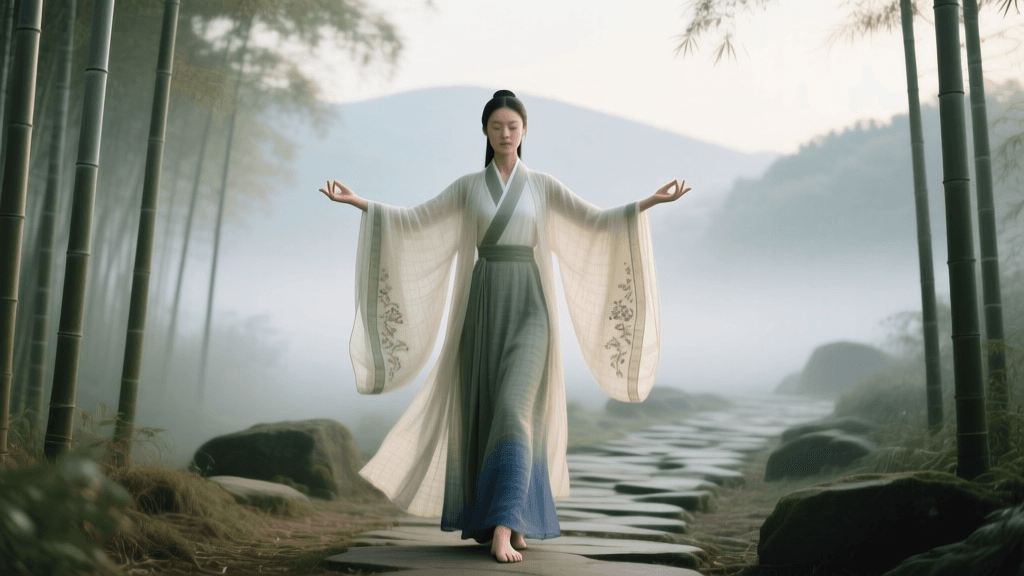
As we move through 2026, the global wellness community has increasingly embraced "somatic sartorialism"—the practice of aligning our clothing with our physical and spiritual routines. Within the realm of Asian traditions, this has manifested as a profound shift in how practitioners approach traditional Chinese garments. Hanfu is no longer reserved solely for historical reenactments, street fashion, or ceremonial photography. Today, heritage fabrics and traditional silhouettes are being intentionally integrated into daily Qigong, Tai Chi, and meditation practices. For modern practitioners attending wellness retreats in Wudang or Hangzhou, selecting the right Hanfu is considered just as critical as mastering the physical forms themselves.
The TCM Perspective: Clothing as the "Third Lung"
In Traditional Chinese Medicine (TCM), the skin is often referred to as the "third lung." It is viewed as a vital organ of respiration and energy exchange, responsible for regulating the body's Wei Qi (defensive energy) and maintaining the harmonious flow of Qi through the meridians. Modern synthetic athleisure wear, while popular for its stretch, often traps heat, restricts micro-circulation, and creates static electricity that can disrupt the body's subtle energy field during deep meditation.
Conversely, traditional Hanfu is constructed from natural, plant-based, and protein-based fibers that allow the skin to breathe. The loose, flowing silhouettes of traditional Chinese clothing ensure that no external pressure is applied to the body's meridian lines, particularly around the joints, the abdomen (the Dan Tian), and the neck. This unrestricted environment is essential for the deep, diaphragmatic breathing required in advanced Qigong and seated mindfulness practices.
Optimal Fabrics for Mindful Movement
Choosing the correct textile is paramount for adapting Hanfu to wellness practices. The fabric must respond to the body's thermoregulation needs during both dynamic movement and deep stillness.
Xiangyunsha (Gambiered Canton Gauze) for Grounding
Xiangyunsha, often translated as "fragrant cloud silk," is one of the most highly prized textiles for summer wellness practices. This unique silk is dyed using the tannin-rich juice of the Dioscorea cirrhosa plant and then coated with iron-rich river mud from the Pearl River Delta. The result is a fabric that is naturally antibacterial, exceptionally cooling to the touch, and uniquely grounding. The subtle weight and structural "crinkle" of Xiangyunsha provide gentle sensory feedback during movement, helping practitioners maintain physical awareness. Recognized for its complex heritage, the craftsmanship behind these traditional silk techniques is deeply tied to Chinese cultural history, as documented by UNESCO's Intangible Cultural Heritage records on Chinese sericulture and silk craftsmanship. In 2026, authentic Xiangyunsha Hanfu sets tailored for wellness range from $450 to $800 USD, reflecting the labor-intensive, sun-dried production process.
Summer Ramie (Xia Bu) for Dynamic Qigong
For dynamic forms like Ba Duan Jin (The Eight Brocades) or Wu Qin Xi (The Five Animal Frolics), practitioners require fabrics that wick moisture and allow for a full range of motion. Xia Bu, or "summer cloth," is a traditional textile woven from hand-spun ramie fibers. Ramie is highly breathable, dries rapidly, and possesses a natural stiffness that keeps the garment away from the skin, promoting air circulation. A lightweight Ramie cross-collar top paired with wide-legged trousers is the quintessential 2026 uniform for outdoor morning Qigong in humid climates.
Heavy Mulberry Silk for Zhan Zhuang (Standing Meditation)
For internal, static practices like Zhan Zhuang (Standing Like a Tree) or seated winter meditation, thermoregulation shifts from cooling to insulation. Heavyweight, unbleached Mulberry silk (often weighing 30 momme or higher) provides exceptional insulation without bulk. Silk's protein structure is similar to human skin, allowing it to warm up quickly and retain the body's natural heat, protecting the vital organs and the Dan Tian from cold pathogens during prolonged stillness.
Silhouettes That Support the Flow of Qi
The cut of the garment dictates how energy and physical movement are expressed. Modern wellness Hanfu adaptations prioritize historical accuracy while accommodating the deep stances and sweeping arm movements of traditional martial and healing arts.
- Ku (袴) / Wide-Legged Trousers: Essential for deep stances like Ma Bu (Horse Stance) or Gong Bu (Bow Stance). Unlike modern joggers that pull at the inseam and restrict the flow of Qi through the legs, traditional Ku feature a dropped crotch and wide legs that move entirely independently of the body's limbs.
- Jiaoling Youren (交领右衽) Cross-Collar Tops: The classic cross-collar wraps securely over the core, providing gentle, adjustable compression over the Dan Tian. This helps the practitioner maintain a physical awareness of their center of gravity.
- Duan Da (短打) Short Jackets: For more vigorous practices, shorter hemlines prevent the fabric from tangling around the wrists during rapid hand forms or weapon-based Tai Chi.
- Pibo (披帛) and Meditation Shawls: In TCM, the Fengchi (Wind Pool) acupoints at the base of the skull are highly vulnerable to "wind evil" during meditation when the body's pores open. Draping a silk Pibo or a specialized meditation shawl over the shoulders protects these vital points during seated sessions.
Comparison of Hanfu Styles for Wellness Practices (2026 Guide)
| Fabric / Style | Best Practice Type | Season | 2026 Est. Price (USD) |
|---|---|---|---|
| Xiangyunsha Silk Set | Slow Tai Chi, Grounding Meditation | Summer / Early Autumn | $450 - $800 |
| Handwoven Ramie (Xia Bu) | Dynamic Qigong (Ba Duan Jin) | Hot / Humid Summers | $120 - $250 |
| Heavy Mulberry Silk Robe | Zhan Zhuang, Seated Stillness | Winter / Cold Climates | $300 - $600 |
| Cotton-Linen Blend Ku (Pants) | Deep Stance Work, Stretching | All Seasons (Layered) | $80 - $150 |
The Science of Enclothed Cognition in Meditation
The psychological impact of wearing traditional garments cannot be overstated. The phenomenon known as "enclothed cognition" suggests that the clothes we wear systematically influence our psychological processes. When a practitioner dons a meticulously crafted Hanfu, they are not merely putting on fabric; they are stepping into a lineage of mindfulness that spans millennia. This sartorial ritual acts as a powerful psychological trigger, signaling to the brain that it is time to transition from the chaos of modern digital life into a state of deep, ancestral focus.
The physical and mental benefits of these practices are well-documented by modern science. According to Harvard Medical School, Tai Chi and Qigong are highly effective for reducing stress, improving balance, and enhancing cardiovascular health, often described as "medication in motion." Furthermore, the National Center for Complementary and Integrative Health (NCCIH) highlights how the mind-body connection fostered by these movements significantly reduces anxiety and improves overall mental well-being. Wearing garments that physically facilitate these movements—rather than restricting them with elastic bands and synthetic fibers—amplifies these documented health benefits by removing physical distractions.
Mindful Garment Care as an Extension of Practice
In the Hanfu wellness community of 2026, the care of the garment is viewed as an extension of the meditation practice itself. Synthetic fabrics are tossed into washing machines, but natural heritage textiles require mindful, intentional care.
Natural Washing Techniques for Xiangyunsha
Xiangyunsha must never be washed with alkaline detergents, which strip the mud-and-tannin coating that gives the fabric its unique properties. Instead, practitioners are returning to the traditional method of washing this silk in cooled, weak tea water (often using leftover Pu'er or black tea). The tannins in the tea help replenish the fabric's natural dye, while the gentle acidity cleanses the silk without damaging the fibers. Hand-washing the garment in a basin of tea water becomes a rhythmic, meditative chore, focusing the mind on the present moment and fostering a deep gratitude for the materials provided by nature.
Building Your 2026 Wellness Hanfu Wardrobe
If you are looking to integrate Hanfu into your wellness routine this year, start by assessing your primary practice. If your focus is on dynamic, sweat-inducing Qigong, invest in a high-quality Ramie Xia Bu set. If your practice leans toward slow, internal cultivation and seated meditation, allocate your budget toward a genuine Xiangyunsha or heavyweight silk ensemble. Seek out heritage studios that prioritize natural, plant-based dyes and traditional loom weaving, as these garments carry an energetic resonance that mass-produced, chemically dyed factory replicas simply cannot replicate. By aligning your external garments with your internal cultivation, you honor the holistic philosophy of Asian traditions, achieving true harmony between body, mind, and attire in 2026 and beyond.