Hanfu for Extreme Climates 2026: Tropical, Desert & Cold Wear
Adapting Hanfu for Extreme Climates in 2026
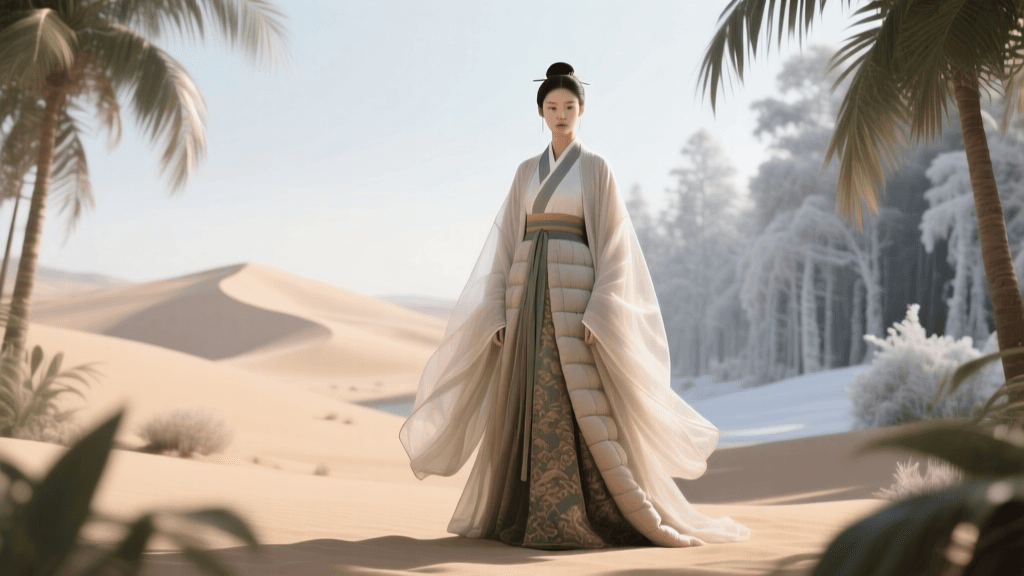
The global Hanfu movement has evolved dramatically by 2026, transitioning from a niche historical revival into a dynamic, everyday wardrobe for millions worldwide. As enthusiasts migrate, travel, and participate in international cultural festivals, the demand for traditional Chinese clothing that can withstand extreme weather conditions has skyrocketed. Whether you are navigating the sweltering humidity of Southeast Asian tropics, the scorching UV rays and freezing nights of the Gobi Desert, or the biting winds of Northern European winters, wearing traditional garments requires strategic fabric selection and intelligent layering.
Historically, Chinese dress was deeply tied to regional climates. According to Encyclopedia Britannica, ancient dynasties adapted their silhouettes and textile weaves to survive the diverse topographies of the Asian continent. Today, modern textile engineering has merged with these historical silhouettes. In 2026, we see the integration of phase-change materials (PCMs), graphene-infused linings, and ultra-fine ramie weaves that allow enthusiasts to wear authentic Hanfu without succumbing to heatstroke or hypothermia. This comprehensive guide explores how to style, source, and maintain Hanfu across the world's most unforgiving climates.
Tropical Climates: Beating High Heat and Humidity
Tropical environments present a dual challenge: intense ambient heat and suffocating humidity. In these conditions, heavy silks and dense brocades become unwearable, trapping moisture against the skin and causing rapid fatigue. The key to tropical Hanfu in 2026 lies in maximizing airflow, utilizing moisture-wicking natural fibers, and adopting minimalist historical silhouettes.
Recommended Styles: Song Dynasty and Banbi
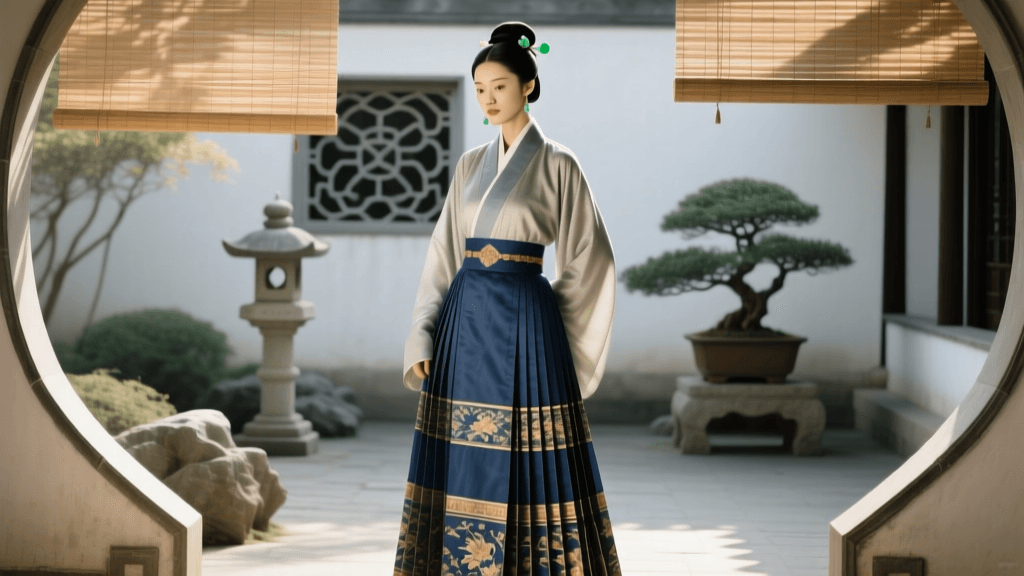
The Song Dynasty (960–1279) is renowned for its slender, elegant, and lightweight silhouettes, making it the premier choice for tropical wear. The Beizi (a long, open-front coat) worn over a lightweight Moxiong (tube top) and a breezy Baidiequn (pleated skirt) allows for maximum ventilation. Additionally, the Banbi (half-sleeve vest) from the Tang and Song periods is highly effective. By keeping the arms bare or covered only by sheer, gauzy fabrics, the body can regulate its temperature naturally.
2026 Fabric Innovations for the Tropics
- Ramie and Xia Cloth: Often referred to as 'summer cloth,' ramie is a bast fiber that dries significantly faster than cotton. In 2026, enzyme-washed ramie blends offer the crisp drape of traditional Hanfu without the historical stiffness or itchiness.
- Habotai and Gauze Silks: Lightweight mulberry silk, specifically 8mm to 12mm habotai, provides a luxurious drape while remaining breathable. Modern UNESCO-recognized sericulture techniques have produced ultra-fine silk gauzes that offer UV protection without trapping heat.
- Bamboo-Charcoal Linings: Many premium 2026 Hanfu brands now line the collars and waistbands of tropical garments with bamboo-charcoal-infused cotton, which naturally neutralizes odor and wicks sweat away from high-friction areas.
Desert Climates: UV Protection and Thermal Swings
Desert environments are characterized by extreme diurnal temperature variations. Daytime temperatures can exceed 40°C (104°F) with relentless UV exposure, while nighttime temperatures can plummet near freezing. Desert Hanfu must serve as a portable shelter, protecting the skin from solar radiation during the day and retaining body heat after sundown.
Recommended Styles: Tang Dynasty Yuanlingpao and Ming Daopao
For daytime desert wear, the Tang Dynasty Yuanlingpao (round-collar robe) is exceptional. Its high collar protects the back of the neck from sunburn, while the long sleeves shield the arms from UV rays. The loose fit creates a microclimate of circulating air between the fabric and the skin, which is essential for evaporative cooling. As the sun sets, layering becomes critical. Adding a Daopao (a structured, side-slit robe from the Ming Dynasty) over your base layers provides wind resistance and traps warmth.
Desert-Ready Textiles and Layering
- Cotton-Linen Blends: Pure linen wrinkles easily and can feel abrasive in dry, dusty winds. A 60/40 cotton-linen blend offers the breathability of linen with the softness and durability of cotton, making it ideal for desert dust storms.
- Raw Silk (Tussah): Unlike cultivated mulberry silk, Tussah silk is spun from wild silkworms. It has a thicker, more textured yarn that provides excellent natural insulation and UV blocking capabilities, a fact well-documented in historical textile archives maintained by institutions like the Metropolitan Museum of Art's Asian Art Department.
- The Layering Strategy: Wear a sheer, long-sleeved linen base layer for sun protection, a mid-layer of lightweight cotton for sweat absorption, and an outer wind-breaking robe of tightly woven twill for the evening chill.
Cold Regions: Insulation Without Sacrificing Silhouette
Wearing Hanfu in freezing climates was historically achieved through heavy padding, fur linings, and multiple thick layers. However, modern enthusiasts in 2026 require warmth without the restrictive bulk that ruins the elegant drape of the garments. The solution lies in advanced thermal under-layers and strategically insulated outerwear.
Recommended Styles: Pifeng, Dahu, and Winter Mamianqun
The Pifeng (a long, sleeveless or wide-sleeved cloak) is the ultimate cold-weather statement piece. When worn over a Dahu (a sleeveless vest that protects the core) and a thick Mamianqun (horse-face skirt), it creates a highly effective thermal envelope. The voluminous nature of the Mamianqun is particularly advantageous in winter, as it easily conceals modern thermal leggings, fleece-lined tights, and even heated knee braces without altering the external historical silhouette.
2026 Cold-Weather Technologies
- Graphene-Infused Silk: The most significant breakthrough in 2026 winter Hanfu is the integration of graphene nanoparticles into silk linings. Graphene conducts and retains body heat exceptionally well, allowing a thin silk lining to provide the warmth of traditional wool padding without the heavy weight.
- Merino Wool Blends: For outer robes, merino wool blended with synthetic structural fibers provides wind resistance, water repellency, and immense warmth. These fabrics are tailored to mimic the appearance of heavy winter brocades.
- Heated Zhuzi (Boots): Traditional cloth boots have been upgraded with flexible, rechargeable carbon-fiber heating pads in the soles, powered by slim, hidden battery packs that charge via USB-C, ensuring your extremities stay warm in sub-zero temperatures.
2026 Fabric and Style Matrix for Extreme Climates
To help you build your climate-specific wardrobe, refer to the matrix below detailing the optimal combinations of style, fabric, and modern technology for 2026.
| Climate Type | Primary Garment Style | Ideal 2026 Fabric | Modern Tech Integration | Est. Price Range (USD) |
|---|---|---|---|---|
| Tropical (Humid/Hot) | Song Beizi & Baidiequn | Enzyme-washed Ramie | Bamboo-charcoal odor control | $80 - $150 |
| Desert (Dry/UV/Swing) | Tang Yuanlingpao | Wild Tussah Silk | UV-blocking microscopic weaves | $150 - $280 |
| Cold (Freezing/Wind) | Ming Pifeng & Mamianqun | Merino Wool Brocade | Graphene thermal silk linings | $220 - $450 |
Footwear and Accessories for Extremes
A Hanfu outfit is incomplete without the proper accessories, which also serve vital functional roles in extreme weather. In tropical climates, woven bamboo or rattan tuan shan (round fans) are not just decorative; they are essential tools for personal cooling and insect deterrence. For desert environments, wide-brimmed traditional hats made of tightly woven palm leaves protect the face and neck from direct solar radiation, while lightweight silk veils can be draped to keep blowing sand out of the eyes and mouth.
In cold regions, the Yunqian (traditional cloud-shaped collar) serves a dual purpose. Historically decorative, modern 2026 iterations are padded with down-alternative microfibers to protect the carotid arteries and chest from biting winds. Pairing this with insulated, fleece-lined Wotou (traditional winter hats) ensures that body heat is not lost through the head, maintaining core temperature stability during outdoor winter photography or festivals.
Garment Care in Extreme Environments
Extreme climates take a toll on delicate textiles. In high-humidity tropical zones, silk and cotton are highly susceptible to mold and mildew. It is crucial to store tropical Hanfu in breathable cotton garment bags with silica gel desiccants, and to air them out in indirect sunlight weekly. Never leave damp ramie or silk balled up in a laundry hamper, as the natural fibers will degrade rapidly.
Desert dust is highly abrasive and can fray the delicate embroidery on a Yuanlingpao. After wearing Hanfu in a desert environment, use a soft-bristled garment brush to gently remove particulate matter before hanging. Avoid frequent washing; instead, utilize steam to refresh the fibers and kill bacteria. For cold-weather wool and graphene-lined garments, dry cleaning or specialized cold-water hand washing with pH-neutral detergents is mandatory to preserve the integrity of the thermal linings and prevent wool shrinkage.
Conclusion
The beauty of Hanfu lies in its incredible versatility and the deep connection it fosters with history. By understanding the principles of traditional design and leveraging the cutting-edge textile innovations of 2026, enthusiasts no longer have to confine their cultural dress to mild, temperate days. Whether you are walking through the humid streets of Singapore, the arid dunes of Dubai, or the snowy landscapes of Harbin, there is a historically grounded, technologically advanced Hanfu solution to keep you comfortable, protected, and elegantly styled.